
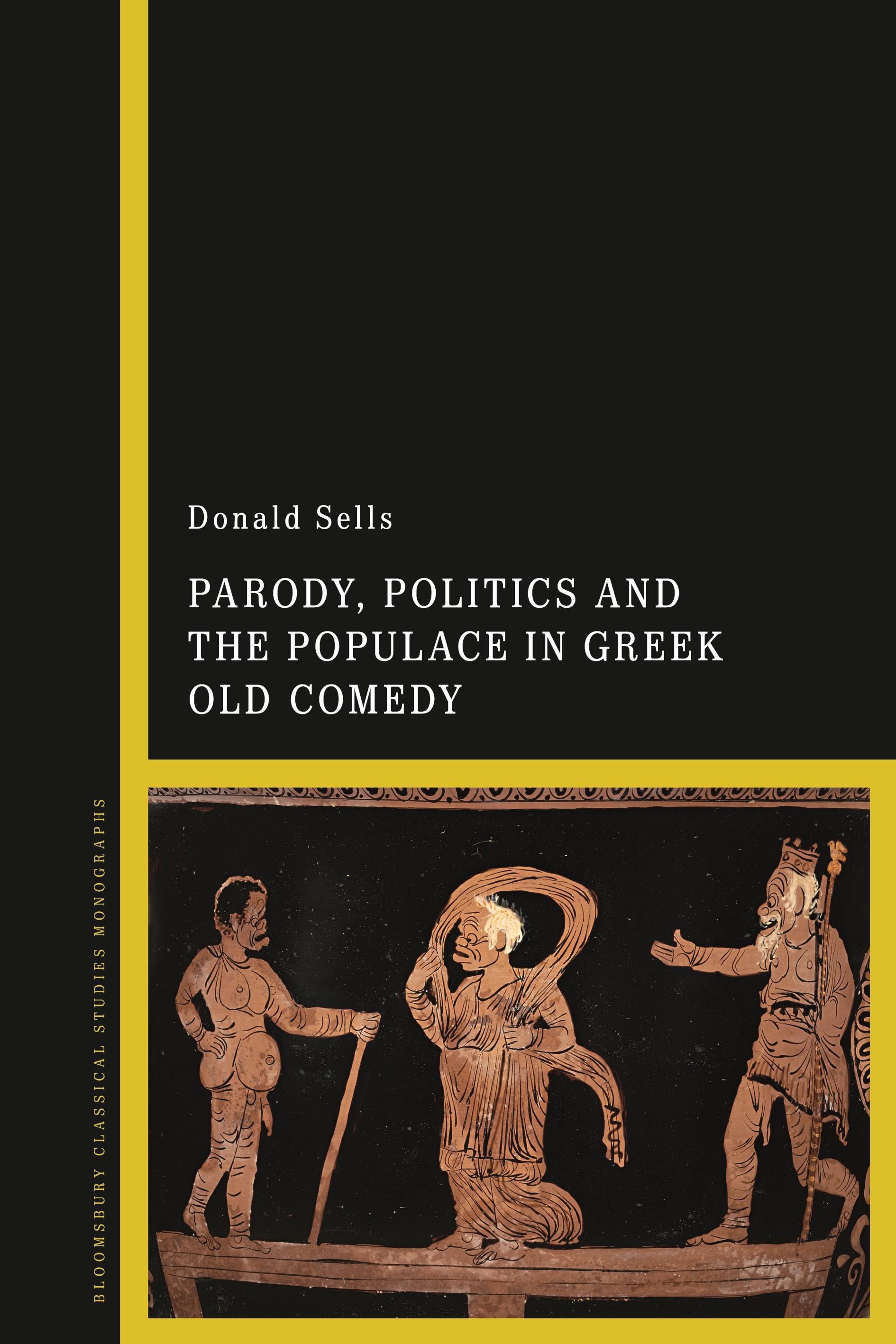
This book argues that Old Comedy's parodic and non-parodic engagement with tragedy, satyr play, and contemporary lyric is geared to enhancing its own status as the preeminent discourse on Athenian art, politics and society. Donald Sells locates the enduring significance of parody in the specific cultural, social and political subtexts that often frame Old Comedy's bold experiments with other genres and drive its rapid evolution in the late fifth century. Close analysis of verbal, visual and narrative strategies reveals the importance of parody and literary appropriation to the particular cultural and political agendas of specific plays.
This study's broader, more flexible definition of parody as a visual – not just verbal – and multi-coded performance represents an important new step in understanding a phenomenon whose richness and diversity exceeds the primarily textual and literary terms by which it is traditionally understood.
This study's broader, more flexible definition of parody as a visual – not just verbal – and multi-coded performance represents an important new step in understanding a phenomenon whose richness and diversity exceeds the primarily textual and literary terms by which it is traditionally understood.
Paga facilmente con carta, Klarna, Apple Pay o Google Pay. Non sei soddisfatto? Hai sempre 14 giorni per il rimborso. Leggi di più nei nostri termini. Per qualsiasi domanda, scrivici a hello@memmo.org.
Memmo rende lo studio più facile, ovunque tu sia nel mondo. Qui trovi i tuoi libri di testo e strumenti di studio intelligenti, tutto in un unico posto: riassunti, quiz, podcast e flashcard. E poi c'è Ted, il tuo compagno di studio che risponde a ogni tua domanda. Oltre 50.000 studenti studiano già qui: è stato creato per aiutarti a imparare più velocemente e a stressarti meno.