
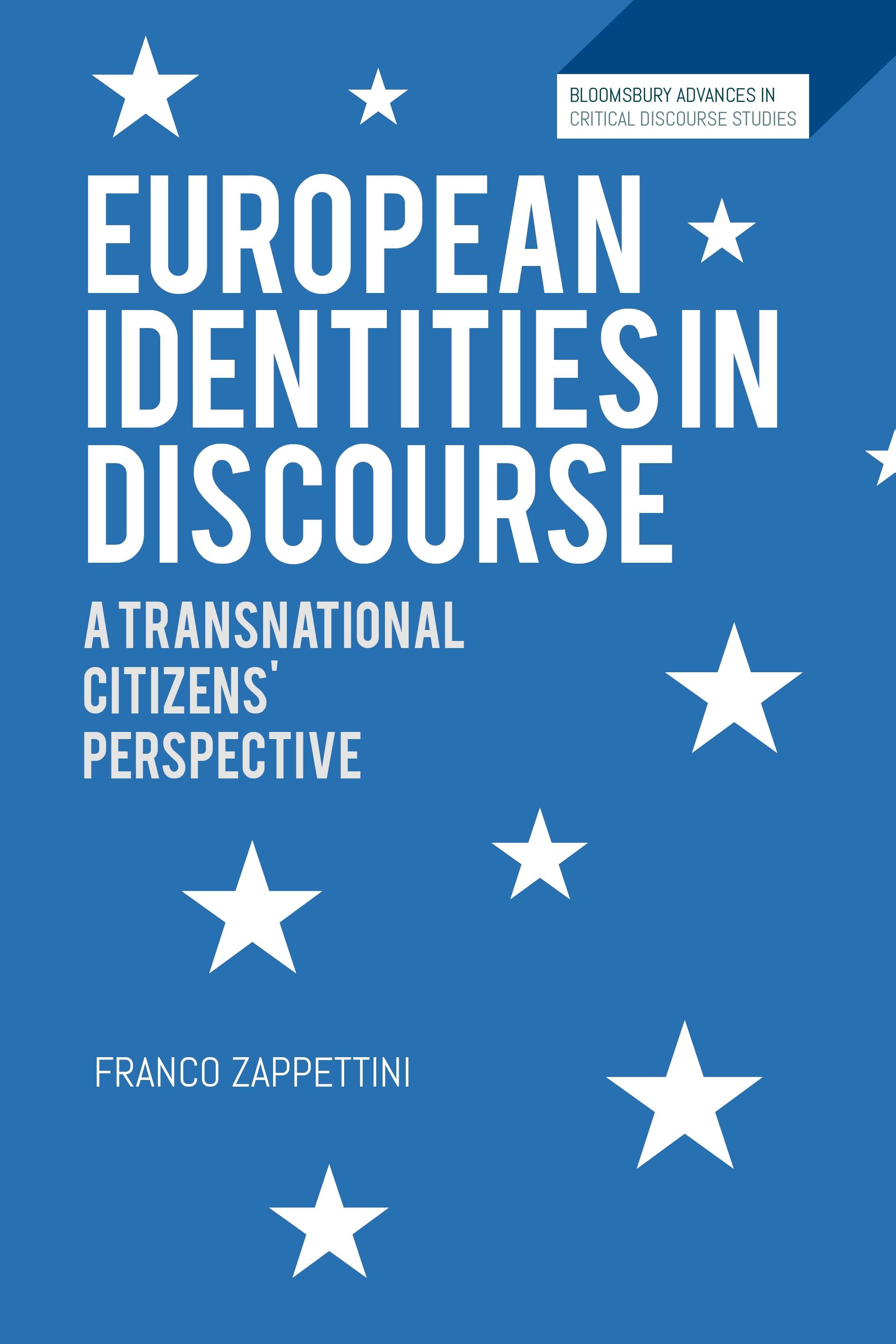
Based on empirical research, this book closely analyses how European identities are discursively produced. It focuses on discourse from members of a civic association active in promoting democracy and attempting participation in the transnational public sphere.
Unlike previous books that have addressed the question of European identity from top-down stances or through methodological nationalism, this book engages with the multifaceted concept of transnationalism as a key to the negotiation of 'glocal' identities. Applying a discourse historical approach (DHA) through a transnational reading, it shows how grassroots actors/speakers construct their different cultural and political affiliations as both world and European citizens. They negotiate institutional identities and historical discourses of nationhood through new forms of mobility, cultural diversity and the imagination of Europe as a proxy for a cosmopolitan civil society. These discourses are ever more important in a fractured and polarised Europe falling prey to contrary discourses of nationhood and ethnic solidarity.
Highlighting how transnational narratives of solidarity and the de-territorialisation of civic participation can impact on the (re)imagination of the European community beyond tropes like 'Fortress Europe' or intragovernmental politics, this important book shows how identification processes must be read through historical and global as well as localised contexts.
Unlike previous books that have addressed the question of European identity from top-down stances or through methodological nationalism, this book engages with the multifaceted concept of transnationalism as a key to the negotiation of 'glocal' identities. Applying a discourse historical approach (DHA) through a transnational reading, it shows how grassroots actors/speakers construct their different cultural and political affiliations as both world and European citizens. They negotiate institutional identities and historical discourses of nationhood through new forms of mobility, cultural diversity and the imagination of Europe as a proxy for a cosmopolitan civil society. These discourses are ever more important in a fractured and polarised Europe falling prey to contrary discourses of nationhood and ethnic solidarity.
Highlighting how transnational narratives of solidarity and the de-territorialisation of civic participation can impact on the (re)imagination of the European community beyond tropes like 'Fortress Europe' or intragovernmental politics, this important book shows how identification processes must be read through historical and global as well as localised contexts.
Paga facilmente con carta, Klarna, Apple Pay o Google Pay. Non sei soddisfatto? Hai sempre 14 giorni per il rimborso. Leggi di più nei nostri termini. Per qualsiasi domanda, scrivici a hello@memmo.org.
Memmo rende lo studio più facile, ovunque tu sia nel mondo. Qui trovi i tuoi libri di testo e strumenti di studio intelligenti, tutto in un unico posto: riassunti, quiz, podcast e flashcard. E poi c'è Ted, il tuo compagno di studio che risponde a ogni tua domanda. Oltre 50.000 studenti studiano già qui: è stato creato per aiutarti a imparare più velocemente e a stressarti meno.