
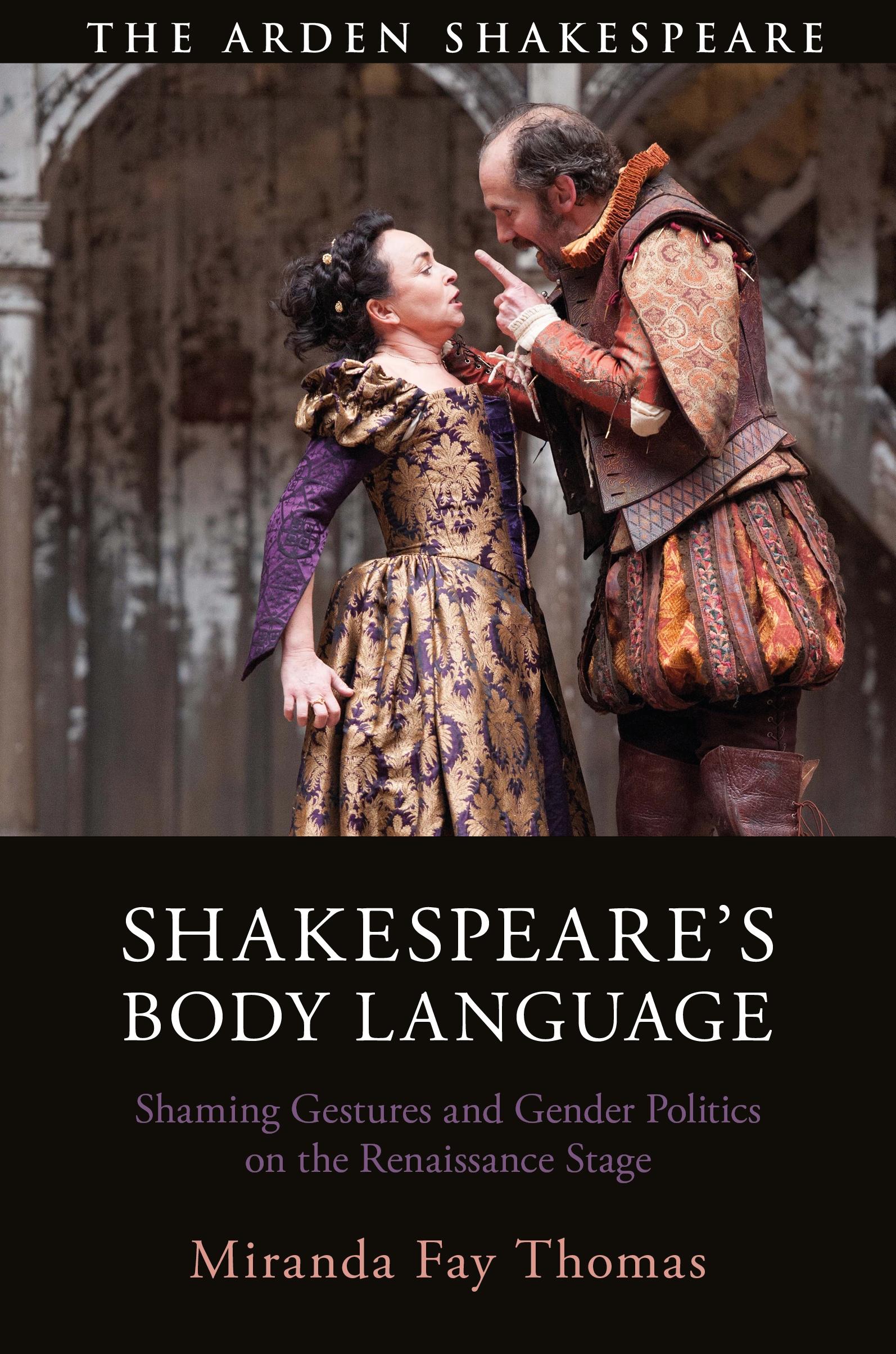
Why do the Capulets bite their thumbs at the Montagues? Why do the Venetians spit upon Shylock's Jewish gaberdine? What is it about Volumnia's act of kneeling that convinces Coriolanus not to assault the city of Rome?
Shakespeare's Body Language is a ground-breaking new study of Shakespearean drama, revealing the previously unseen history of social tensions found within the performance of gestures – and how such gestures are used to shame those within the body politic of early modern England. The first full study of shaming gestures in Shakespearean drama, this book establishes how shame is often rooted in the gendered expectations of the Renaissance era. Exploring how the performance of gestures such as figging, the cuckold's horns, and even the in-action of stillness created shaming spectacles on the early modern stage and its wider society, Shakespeare's Body Language argues that gestures are embodied social metaphors which epitomise the personal as political. It reveals the tensions of everyday life as key motivators behind the actions of Shakespeare's characters, and considers how honour and its opposite, shame, are constructed in terms of gender norms.
Featuring in-depth analyses of plays across Shakespeare's career, this book explores how the playwright's understanding of shame and humiliation is rooted in performance anxiety and gender politics, explaining how theatrical gestures can create dramatic tension in a way that words alone cannot. It offers both rich insights into the early modern context of Shakespeare's drama and confirms the startling relevance of his work to modern audiences.
Shakespeare's Body Language is a ground-breaking new study of Shakespearean drama, revealing the previously unseen history of social tensions found within the performance of gestures – and how such gestures are used to shame those within the body politic of early modern England. The first full study of shaming gestures in Shakespearean drama, this book establishes how shame is often rooted in the gendered expectations of the Renaissance era. Exploring how the performance of gestures such as figging, the cuckold's horns, and even the in-action of stillness created shaming spectacles on the early modern stage and its wider society, Shakespeare's Body Language argues that gestures are embodied social metaphors which epitomise the personal as political. It reveals the tensions of everyday life as key motivators behind the actions of Shakespeare's characters, and considers how honour and its opposite, shame, are constructed in terms of gender norms.
Featuring in-depth analyses of plays across Shakespeare's career, this book explores how the playwright's understanding of shame and humiliation is rooted in performance anxiety and gender politics, explaining how theatrical gestures can create dramatic tension in a way that words alone cannot. It offers both rich insights into the early modern context of Shakespeare's drama and confirms the startling relevance of his work to modern audiences.
Paga facilmente con carta, Klarna, Apple Pay o Google Pay. Non sei soddisfatto? Hai sempre 14 giorni per il rimborso. Leggi di più nei nostri termini. Per qualsiasi domanda, scrivici a hello@memmo.org.
Memmo rende lo studio più facile, ovunque tu sia nel mondo. Qui trovi i tuoi libri di testo e strumenti di studio intelligenti, tutto in un unico posto: riassunti, quiz, podcast e flashcard. E poi c'è Ted, il tuo compagno di studio che risponde a ogni tua domanda. Oltre 50.000 studenti studiano già qui: è stato creato per aiutarti a imparare più velocemente e a stressarti meno.