
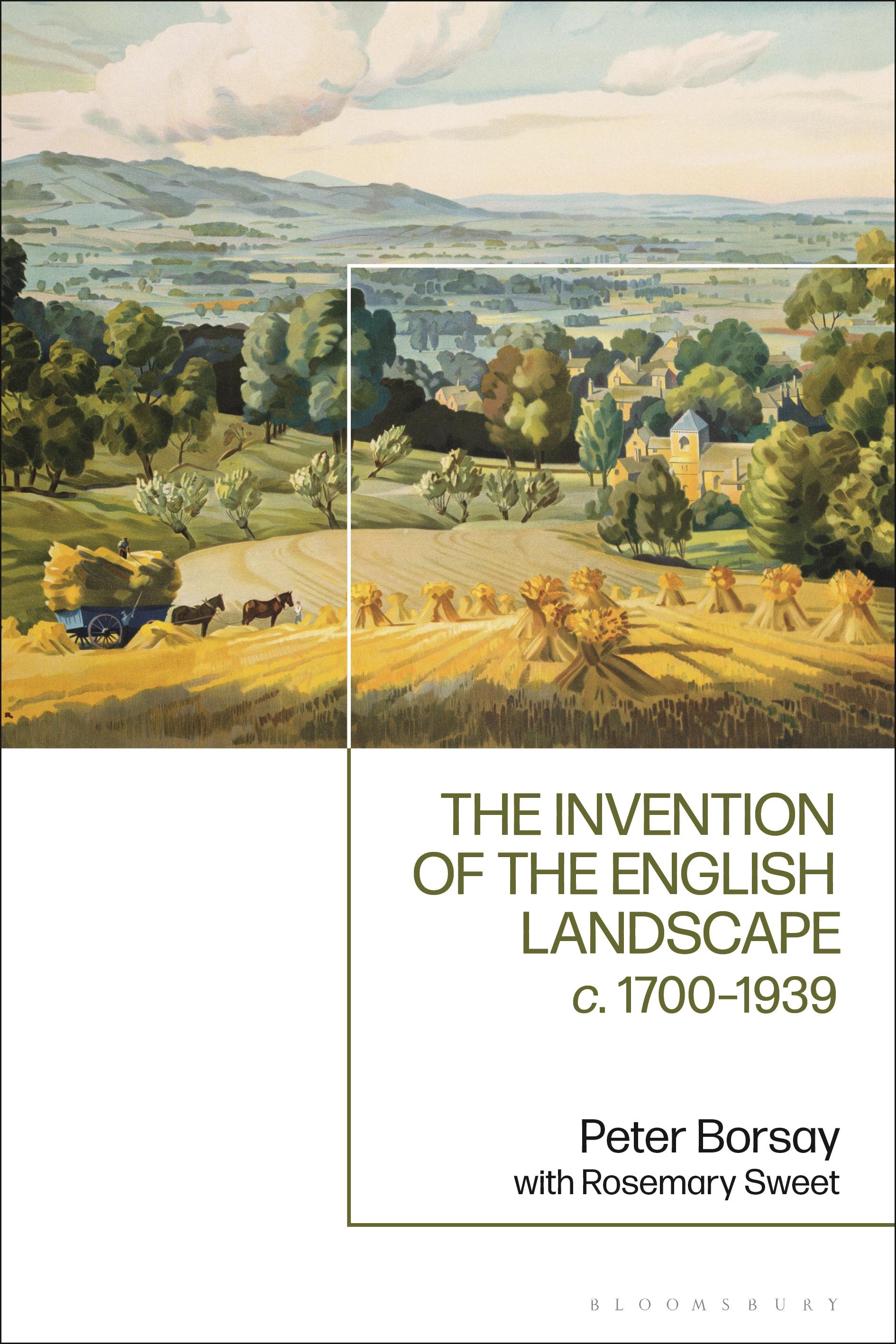
Since at least the Reformation, English men and women have been engaged in visiting, exploring and portraying, in words and images, the landscape of their nation. The Invention of the English Landscape examines these journeys and investigations to explore how the natural and historic English landscape was reconfigured to become a widely enjoyed cultural and leisure resource.
Peter Borsay considers the manifold forces behind this transformation, such as the rise of consumer culture, the media, industrial and transport revolutions, the Enlightenment, Romanticism, and the Gothic revival. In doing so, he reveals the development of a powerful bond between landscape and natural identity, against the backdrop of social and political change from the early modern period to the start of the Second World War.
Borsay's interdisciplinary approach demonstrates how human understandings of the natural world shaped the geography of England, and uncovers a wealth of valuable material, from novels and poems to paintings, that expose historical understandings of the landscape. This innovative approach illuminates how the English countryside and historic buildings became cultural icons behind which the nation was rallied during war-time, and explores the emergence of a post-war heritage industry that is now a definitive part of British cultural life.
Peter Borsay considers the manifold forces behind this transformation, such as the rise of consumer culture, the media, industrial and transport revolutions, the Enlightenment, Romanticism, and the Gothic revival. In doing so, he reveals the development of a powerful bond between landscape and natural identity, against the backdrop of social and political change from the early modern period to the start of the Second World War.
Borsay's interdisciplinary approach demonstrates how human understandings of the natural world shaped the geography of England, and uncovers a wealth of valuable material, from novels and poems to paintings, that expose historical understandings of the landscape. This innovative approach illuminates how the English countryside and historic buildings became cultural icons behind which the nation was rallied during war-time, and explores the emergence of a post-war heritage industry that is now a definitive part of British cultural life.
Paga facilmente con carta, Klarna, Apple Pay o Google Pay. Non sei soddisfatto? Hai sempre 14 giorni per il rimborso. Leggi di più nei nostri termini. Per qualsiasi domanda, scrivici a hello@memmo.org.
Memmo rende lo studio più facile, ovunque tu sia nel mondo. Qui trovi i tuoi libri di testo e strumenti di studio intelligenti, tutto in un unico posto: riassunti, quiz, podcast e flashcard. E poi c'è Ted, il tuo compagno di studio che risponde a ogni tua domanda. Oltre 50.000 studenti studiano già qui: è stato creato per aiutarti a imparare più velocemente e a stressarti meno.