
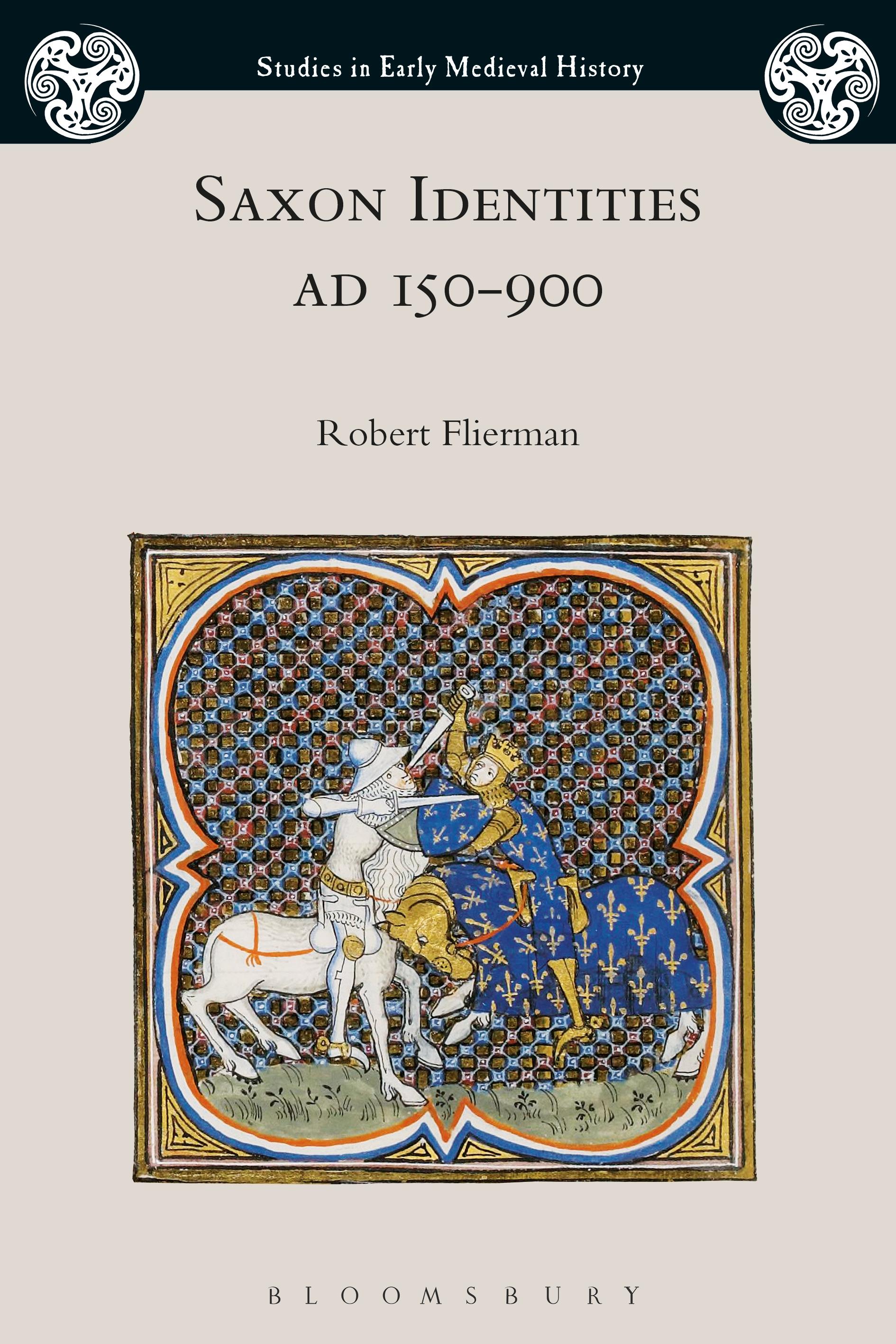
This study is the first up-to-date comprehensive analysis of Continental Saxon identity in antiquity and the early middle ages. Building on recent scholarship on barbarian ethnicity, this study emphasises not just the constructed and open-ended nature of Saxon identity, but also the crucial role played by texts as instruments and resources of identity-formation. This book traces this process of identity-formation over the course of eight centuries, from its earliest beginnings in Roman ethnography to its reinvention in the monasteries and bishoprics of ninth-century Saxony.
Though the Saxons were mentioned as early as AD 150, they left no written evidence of their own before c. 840. Thus, for the first seven centuries, we can only look at the Saxons through the eyes of their Roman enemies, Merovingian neighbours and Carolingian conquerors. Such external perspectives do not yield objective descriptions of a people, but rather reflect an ongoing discourse on Saxon identity, in which outside authors described who they imagined, wanted or feared the Saxons to be: dangerous pirates, noble savages, bestial pagans or faithful subjects. Significantly, these outside views deeply influenced how ninth-century Saxons eventually came to think about themselves, using Roman and Frankish texts to reinvent the Saxons as a noble and Christian people.
Though the Saxons were mentioned as early as AD 150, they left no written evidence of their own before c. 840. Thus, for the first seven centuries, we can only look at the Saxons through the eyes of their Roman enemies, Merovingian neighbours and Carolingian conquerors. Such external perspectives do not yield objective descriptions of a people, but rather reflect an ongoing discourse on Saxon identity, in which outside authors described who they imagined, wanted or feared the Saxons to be: dangerous pirates, noble savages, bestial pagans or faithful subjects. Significantly, these outside views deeply influenced how ninth-century Saxons eventually came to think about themselves, using Roman and Frankish texts to reinvent the Saxons as a noble and Christian people.
Paga facilmente con carta, Klarna, Apple Pay o Google Pay. Non sei soddisfatto? Hai sempre 14 giorni per il rimborso. Leggi di più nei nostri termini. Per qualsiasi domanda, scrivici a hello@memmo.org.
Memmo rende lo studio più facile, ovunque tu sia nel mondo. Qui trovi i tuoi libri di testo e strumenti di studio intelligenti, tutto in un unico posto: riassunti, quiz, podcast e flashcard. E poi c'è Ted, il tuo compagno di studio che risponde a ogni tua domanda. Oltre 50.000 studenti studiano già qui: è stato creato per aiutarti a imparare più velocemente e a stressarti meno.