
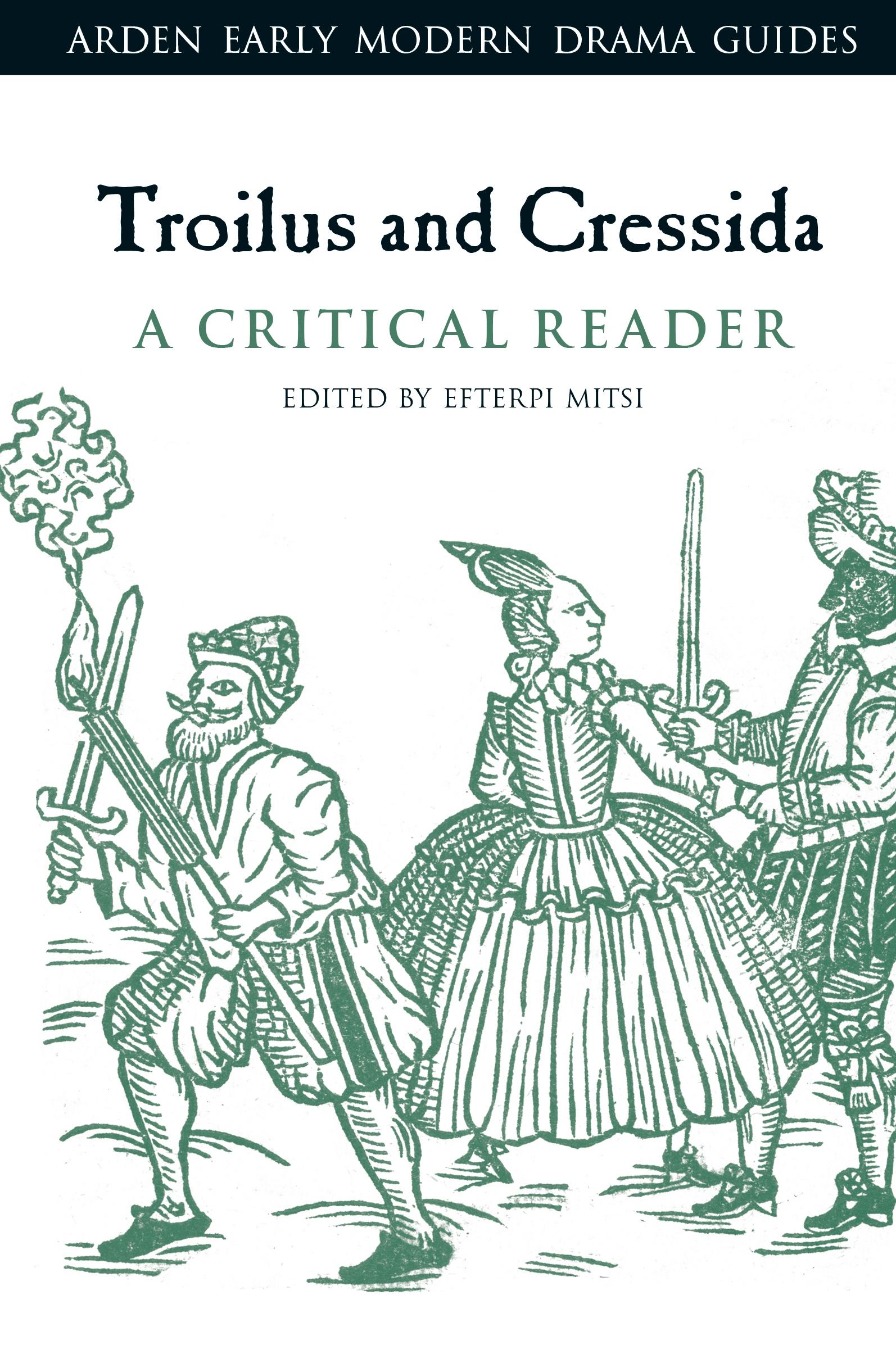
Troilus and Cressida: A Critical Reader offers an accessible and thought-provoking guide to this complex problem play, surveying its key themes and evolving critical preoccupations. Considering its generic ambiguity and experimentalism, it also provides a uniquely detailed and up-to-date history of the play's stage performance from Dryden's rewriting up to Mark Ravenhill and Elizabeth LeCompte's controversial 2012 production for the Royal Shakespeare Company and the Wooster Group.
Moving through to four new critical essays, the guide opens up fresh perspectives on the play's iconoclastic nature and its key themes, ranging from issues of gender and sexuality to Elizabethan politics, from the uses of antiquity to questions of cultural translation, with particular attention paid on Troilus' “Greekness”.
The volume finishes with a helpful guide to critical and web-based resources. Discussing the ways in which this challenging and acerbic play can be brought to life in the classroom, it suggests performance-based strategies, designed to engage with the dramaturgical and theatrical dimensions of the text; close-reading exercises with an emphasis on rhetoric, metaphor and the practice of “troping”; and a series of tools designed to situate the play in a range of contexts, including its classical and critical frameworks.
Moving through to four new critical essays, the guide opens up fresh perspectives on the play's iconoclastic nature and its key themes, ranging from issues of gender and sexuality to Elizabethan politics, from the uses of antiquity to questions of cultural translation, with particular attention paid on Troilus' “Greekness”.
The volume finishes with a helpful guide to critical and web-based resources. Discussing the ways in which this challenging and acerbic play can be brought to life in the classroom, it suggests performance-based strategies, designed to engage with the dramaturgical and theatrical dimensions of the text; close-reading exercises with an emphasis on rhetoric, metaphor and the practice of “troping”; and a series of tools designed to situate the play in a range of contexts, including its classical and critical frameworks.
Paga facilmente con carta, Klarna, Apple Pay o Google Pay. Non sei soddisfatto? Hai sempre 14 giorni per il rimborso. Leggi di più nei nostri termini. Per qualsiasi domanda, scrivici a hello@memmo.org.
Memmo rende lo studio più facile, ovunque tu sia nel mondo. Qui trovi i tuoi libri di testo e strumenti di studio intelligenti, tutto in un unico posto: riassunti, quiz, podcast e flashcard. E poi c'è Ted, il tuo compagno di studio che risponde a ogni tua domanda. Oltre 50.000 studenti studiano già qui: è stato creato per aiutarti a imparare più velocemente e a stressarti meno.