
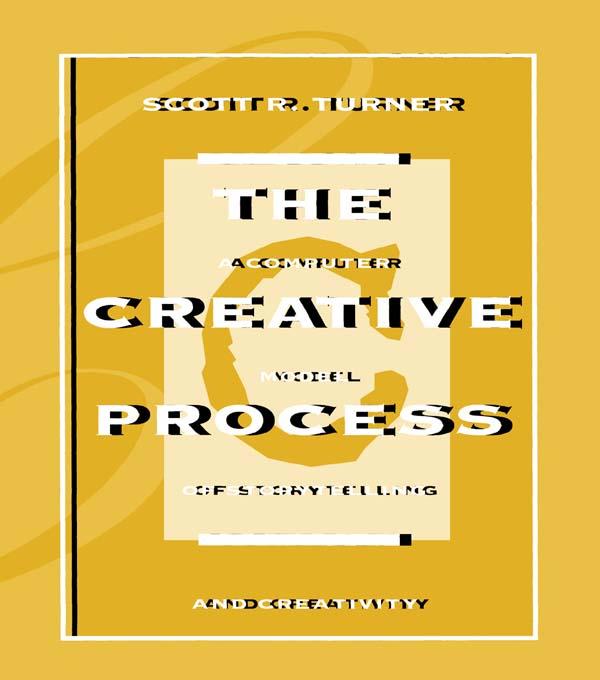
Someday computers will be artists. They'll be able to write amusing and original stories, invent and play games of unsurpassed complexity and inventiveness, tell jokes and suffer writer's block. But these things will require computers that can both achieve artistic goals and be creative. Both capabilities are far from accomplished.
This book presents a theory of creativity that addresses some of the many hard problems which must be solved to build a creative computer. It also presents an exploration of the kinds of goals and plans needed to write simple short stories. These theories have been implemented in a computer program called MINSTREL which tells stories about King Arthur and his knights. While far from being the silicon author of the future, MINSTREL does illuminate many of the interesting and difficult issues involved in constructing a creative computer.
The results presented here should be of interest to at least three different groups of people. Artificial intelligence researchers should find this work an interesting application of symbolic AI to the problems of story-telling and creativity. Psychologists interested in creativity and imagination should benefit from the attempt to build a detailed, explicit model of the creative process. Finally, authors and others interested in how people write should find MINSTREL's model of the author-level writing process thought-provoking.
Paga facilmente con carta, Klarna, Apple Pay o Google Pay. Non sei soddisfatto? Hai sempre 14 giorni per il rimborso. Leggi di più nei nostri termini. Per qualsiasi domanda, scrivici a hello@memmo.org.
Memmo rende lo studio più facile, ovunque tu sia nel mondo. Qui trovi i tuoi libri di testo e strumenti di studio intelligenti, tutto in un unico posto: riassunti, quiz, podcast e flashcard. E poi c'è Ted, il tuo compagno di studio che risponde a ogni tua domanda. Oltre 50.000 studenti studiano già qui: è stato creato per aiutarti a imparare più velocemente e a stressarti meno.