
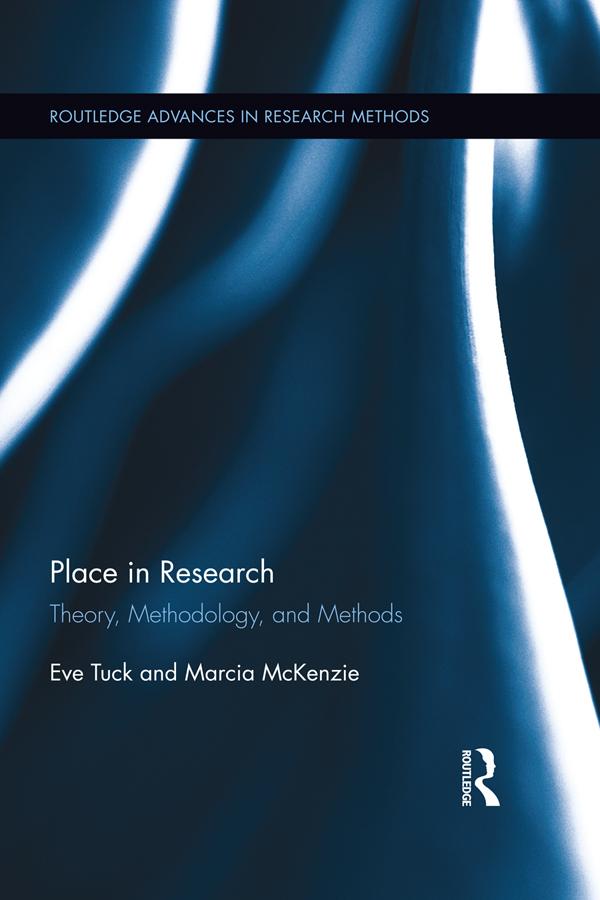
Bridging environmental and Indigenous studies and drawing on critical geography, spatial theory, new materialist theory, and decolonizing theory, this dynamic volume examines the sometimes overlooked significance of place in social science research. There are often important divergences and even competing logics at work in these areas of research, some which may indeed be incommensurable. This volume explores how researchers around the globe are coming to terms - both theoretically and practically - with place in the context of settler colonialism, globalization, and environmental degradation. Tuck and McKenzie outline a trajectory of critical place inquiry that not only furthers empirical knowledge, but ethically imagines new possibilities for collaboration and action.
Critical place inquiry can involve a range of research methodologies; this volume argues that what matters is how the chosen methodology engages conceptually with place in order to mobilize methods that enable data collection and analyses that address place explicitly and politically. Unlike other approaches that attempt to superficially tag on Indigenous concerns, decolonizing conceptualizations of land and place and Indigenous methods are central, not peripheral, to practices of critical place inquiry.
Paga facilmente con carta, Klarna, Apple Pay o Google Pay. Non sei soddisfatto? Hai sempre 14 giorni per il rimborso. Leggi di più nei nostri termini. Per qualsiasi domanda, scrivici a hello@memmo.org.
Memmo rende lo studio più facile, ovunque tu sia nel mondo. Qui trovi i tuoi libri di testo e strumenti di studio intelligenti, tutto in un unico posto: riassunti, quiz, podcast e flashcard. E poi c'è Ted, il tuo compagno di studio che risponde a ogni tua domanda. Oltre 50.000 studenti studiano già qui: è stato creato per aiutarti a imparare più velocemente e a stressarti meno.