
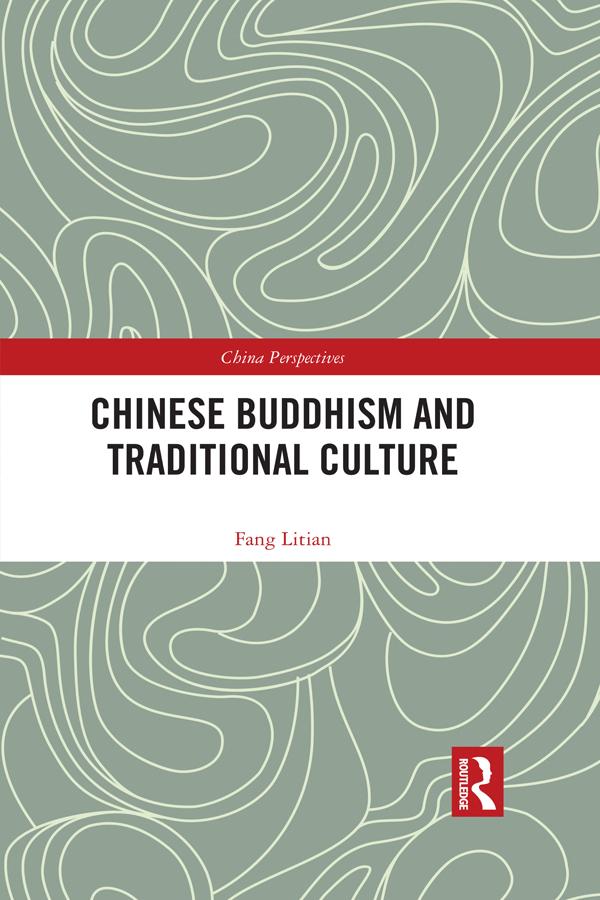
Since the first century, when Buddhism entered China, the foreign religion has influenced and been influenced in turn by traditional Chinese culture, and eventually became an important part of it. That is one of the great historical themes not only for China but also for East Asia.
This book explores the elements of Buddhism, including its classics, doctrines, system, and rituals, to reveal the basic connotation of Buddhism as a cultural entity. Regarding the development of Buddhism in China, it traces the spread in chronological order, from the introduction in Han Dynasties (202 BC–220 AD), to the prosperity in the Sixteen Kingdoms (ca. 304–439 AD), and then to the decline since the Five Dynasties (907–ca. 960 AD). It is noteworthy that the Buddhist schools in the Southern and Northern Dynasties (420–589 AD) and the Buddhist sects in Sui and Tang Dynasties (581–907 AD) contributed to the sinicization of Buddhism. This book also deals with the interesting question of the similarities and differences between Chinese Buddhism and Indian Buddhism, to examine the specific characters of the former in terms of thought and culture. In the last chapter, the external influence of Chinese Buddhism in East Asia is studied.
Scholars and students in Buddhism and Chinese culture studies, especially those in Buddhist countries, will benefit from the book. Also, it will appeal to readers interested in religion, Chinese culture, and ancient Chinese history.
Paga facilmente con carta, Klarna, Apple Pay o Google Pay. Non sei soddisfatto? Hai sempre 14 giorni per il rimborso. Leggi di più nei nostri termini. Per qualsiasi domanda, scrivici a hello@memmo.org.
Memmo rende lo studio più facile, ovunque tu sia nel mondo. Qui trovi i tuoi libri di testo e strumenti di studio intelligenti, tutto in un unico posto: riassunti, quiz, podcast e flashcard. E poi c'è Ted, il tuo compagno di studio che risponde a ogni tua domanda. Oltre 50.000 studenti studiano già qui: è stato creato per aiutarti a imparare più velocemente e a stressarti meno.