
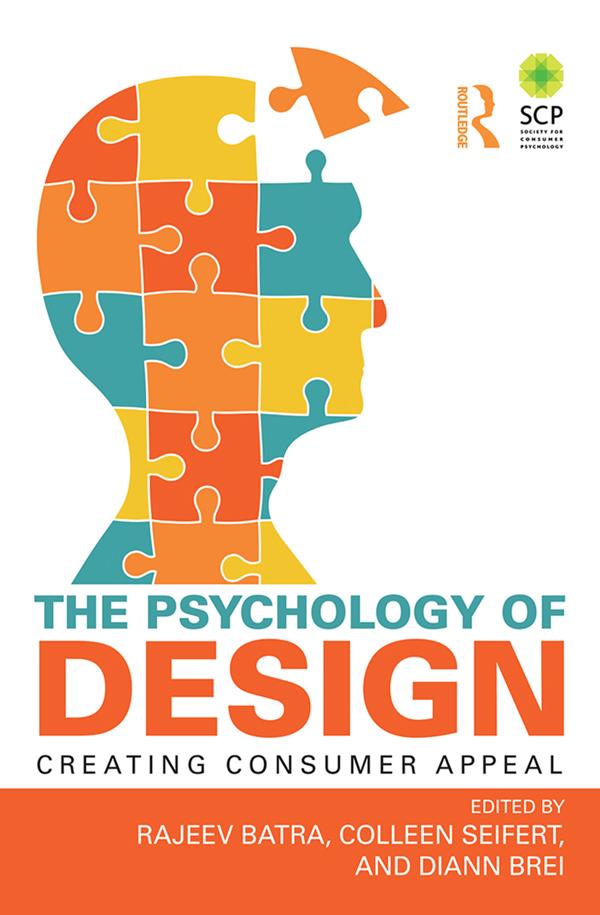
Design plays an increasingly larger role today in creating consumer desire for products and liking for commercial messages. However, the psychological processes involved are only partially understood. In addition, design is inherently interdisciplinary, involving (among others) important elements of aesthetics, anthropology, brand strategy, creativity, design science, engineering, graphic design, industrial design, marketing, material science, product design, and several areas within psychology. While researchers and practitioners in all of these fields seek to learn more about how and why "good" design works its magic, they may benefit from each other’s work. The chapters in this edited book bring together organizing frameworks and reviews of the relevant literatures from many of these contributing disciplines, along with recent empirical work. They cover relevant areas such as embodied cognition, processing fluency, experiential marketing, sensory marketing, visual aesthetics, and other research streams related to the impact of design on consumers. Importantly, the primary focus of these chapters is not on product design that creates functional value for the targeted consumer, but rather on how design can create the kind of emotional, experiential, hedonic, and sensory appeal that results in attracting consumers. Each chapter concludes with Implications for a theory of design as well as for designers.
Paga facilmente con carta, Klarna, Apple Pay o Google Pay. Non sei soddisfatto? Hai sempre 14 giorni per il rimborso. Leggi di più nei nostri termini. Per qualsiasi domanda, scrivici a hello@memmo.org.
Memmo rende lo studio più facile, ovunque tu sia nel mondo. Qui trovi i tuoi libri di testo e strumenti di studio intelligenti, tutto in un unico posto: riassunti, quiz, podcast e flashcard. E poi c'è Ted, il tuo compagno di studio che risponde a ogni tua domanda. Oltre 50.000 studenti studiano già qui: è stato creato per aiutarti a imparare più velocemente e a stressarti meno.