
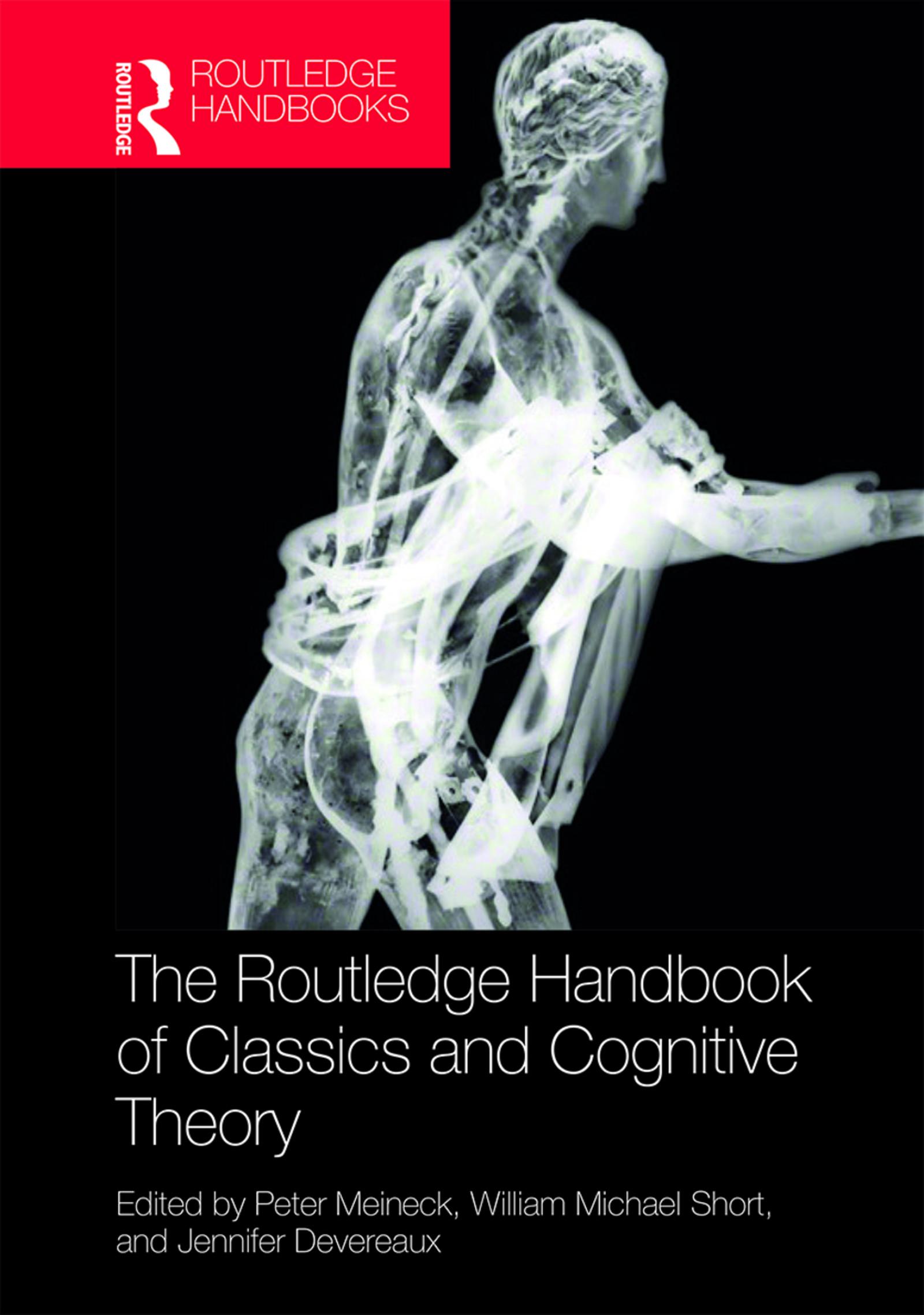
The Routledge Handbook of Classics and Cognitive Theory is an interdisciplinary volume that examines the application of cognitive theory to the study of the classical world, across several interrelated areas including linguistics, literary theory, social practices, performance, artificial intelligence and archaeology. With contributions from a diverse group of international scholars working in this exciting new area, the volume explores the processes of the mind drawing from research in psychology, philosophy, neuroscience, and anthropology, and interrogates the implications of these new approaches for the study of the ancient world.
Topics covered in this wide-ranging collection include: cognitive linguistics applied to Homeric and early Greek texts, Roman cultural semantics, linguistic embodiment in Latin literature, group identities in Greek lyric, cognitive dissonance in historiography, kinesthetic empathy in Sappho, artificial intelligence in Hesiod and Greek drama, the enactivism of Roman statues and memory and art in the Roman Empire.
This ground-breaking work is the first to organize the field, allowing both scholars and students access to the methodologies, bibliographies and techniques of the cognitive sciences and how they have been applied to classics.
Paga facilmente con carta, Klarna, Apple Pay o Google Pay. Non sei soddisfatto? Hai sempre 14 giorni per il rimborso. Leggi di più nei nostri termini. Per qualsiasi domanda, scrivici a hello@memmo.org.
Memmo rende lo studio più facile, ovunque tu sia nel mondo. Qui trovi i tuoi libri di testo e strumenti di studio intelligenti, tutto in un unico posto: riassunti, quiz, podcast e flashcard. E poi c'è Ted, il tuo compagno di studio che risponde a ogni tua domanda. Oltre 50.000 studenti studiano già qui: è stato creato per aiutarti a imparare più velocemente e a stressarti meno.