
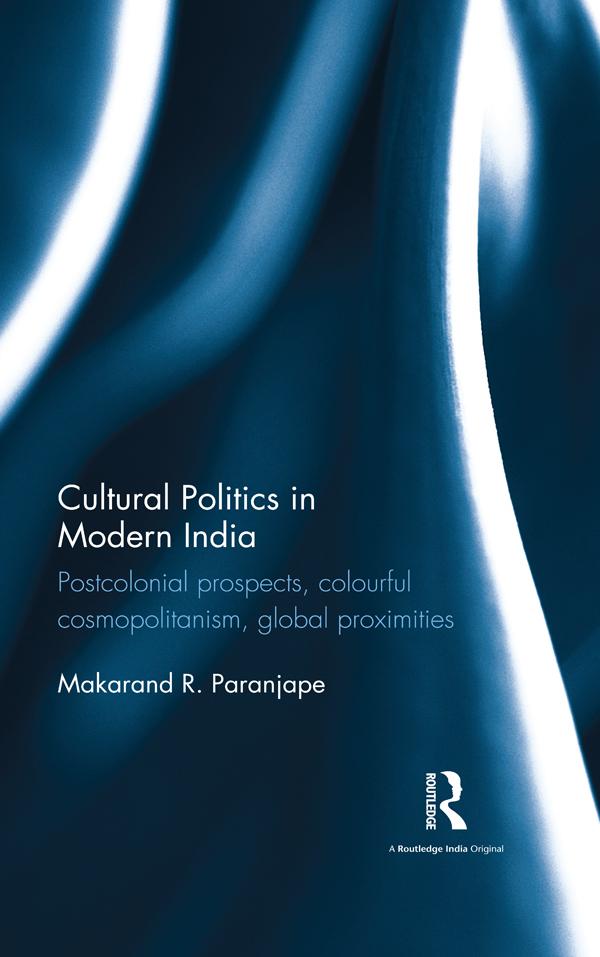
India’s global proximities derive in good measure from its struggle against British imperialism. In its efforts to become a nation, India turned modern in its own unusual way. At the heart of this metamorphosis was a "colourful cosmopolitanism," the unique manner in which India made the world its neighbourhood. The most creative thinkers and leaders of that period reimagined diverse horizons. They collaborated not only in widespread anti-colonial struggles but also in articulating the vision of alter-globalization, universalism, and cosmopolitanism. This book, in revealing this dimension, offers new and original interpretations of figures such as Kant, Tagore, Heidegger, Gandhi, Aurobindo, Gebser, Kosambi, Narayan, Ezekiel, and Spivak. It also analyses cultural and aesthetic phenomena, from the rasa theory to Bollywood cinema, explaining how Indian ideas, texts, and cultural expressions interacted with a wider world and contributed to the making of modern India.
Paga facilmente con carta, Klarna, Apple Pay o Google Pay. Non sei soddisfatto? Hai sempre 14 giorni per il rimborso. Leggi di più nei nostri termini. Per qualsiasi domanda, scrivici a hello@memmo.org.
Memmo rende lo studio più facile, ovunque tu sia nel mondo. Qui trovi i tuoi libri di testo e strumenti di studio intelligenti, tutto in un unico posto: riassunti, quiz, podcast e flashcard. E poi c'è Ted, il tuo compagno di studio che risponde a ogni tua domanda. Oltre 50.000 studenti studiano già qui: è stato creato per aiutarti a imparare più velocemente e a stressarti meno.