
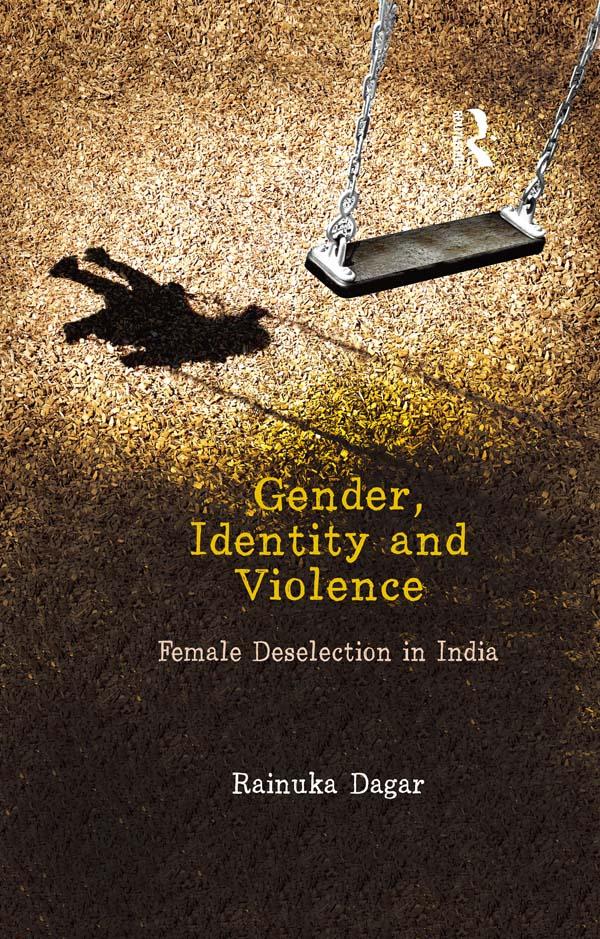
The missing girls in India are not a new phenomenon. The British passed an Act to check female infanticide more than 100 years ago. Since 1960, India’s birth sex ratios have progressively declined from 994 to 910, implicating life-affecting gender violence. Backed by extensive field research, data and interviews, this book explores girl child deselection through cultural neglect, female infanticide and foeticide, and the role of caste and religion.
The book spans critical socio-historical contexts and examines the practice of selective right to life. It views the effects of militancy and khaap panchayats, and studies women’s rights discourses and protective legal reforms. The gender imbalance is mapped globally and analysed in the specific conditions of the Indian states of Punjab and Haryana. The book examines the inter-linkages of gender hierarchies with male child preference and warns that theoretical analyses limited to female foeticide alone cannot address gender inequalities or change the cycle of violence.
This will be valuable to scholars and researchers of gender and women studies, sociology, politics, and population and demographic studies. It will also be indispensable for women’s rights activists, NGOs, policy makers, government bodies, and those studying health and family planning.
Paga facilmente con carta, Klarna, Apple Pay o Google Pay. Non sei soddisfatto? Hai sempre 14 giorni per il rimborso. Leggi di più nei nostri termini. Per qualsiasi domanda, scrivici a hello@memmo.org.
Memmo rende lo studio più facile, ovunque tu sia nel mondo. Qui trovi i tuoi libri di testo e strumenti di studio intelligenti, tutto in un unico posto: riassunti, quiz, podcast e flashcard. E poi c'è Ted, il tuo compagno di studio che risponde a ogni tua domanda. Oltre 50.000 studenti studiano già qui: è stato creato per aiutarti a imparare più velocemente e a stressarti meno.