
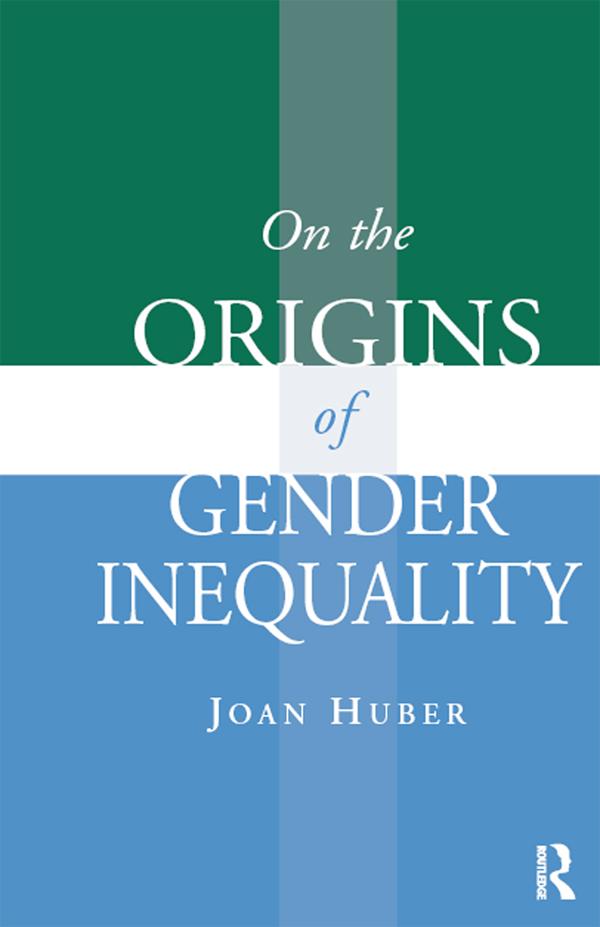
In our fast-paced world of technology and conveniences, the biological origins of women's inequality can be forgotten. This book offers a richer understanding of gender inequality by explaining a key cause-women's reproductive and lactation patterns. Until about 1900, infants nursed every fifteen minutes on average for two years because very frequent suckling prevented pregnancy. The practice evolved because it maximized infant survival. If a forager child was born before its older sibling could take part in the daily food search, the older one died. This practice persisted until the modern era because until after the discovery of the germ theory of disease, human milk was the only food certain to be unspoiled. Lactation patterns excluded women from the activities that led to political leadership. During the twentieth century the ancient mode declined and women entered the labor market en masse. Joan Huber challenges feminists toward a richer understanding of biological origins of inequality-knowledge that can help women achieve greater equality today.
Pagine: 184
Categoria: Kultur-, Genus- & Postkoloniala studier
e-ISBN: 9781317255055
Peso di spedizione: 1.2 kg
Spedito in: 1-2 giorni
Paga facilmente con carta, Klarna, Apple Pay o Google Pay. Non sei soddisfatto? Hai sempre 14 giorni per il rimborso. Leggi di più nei nostri termini. Per qualsiasi domanda, scrivici a hello@memmo.org.
Memmo rende lo studio più facile, ovunque tu sia nel mondo. Qui trovi i tuoi libri di testo e strumenti di studio intelligenti, tutto in un unico posto: riassunti, quiz, podcast e flashcard. E poi c'è Ted, il tuo compagno di studio che risponde a ogni tua domanda. Oltre 50.000 studenti studiano già qui: è stato creato per aiutarti a imparare più velocemente e a stressarti meno.
Potrebbe interessarti anche
Acquista il libro0