
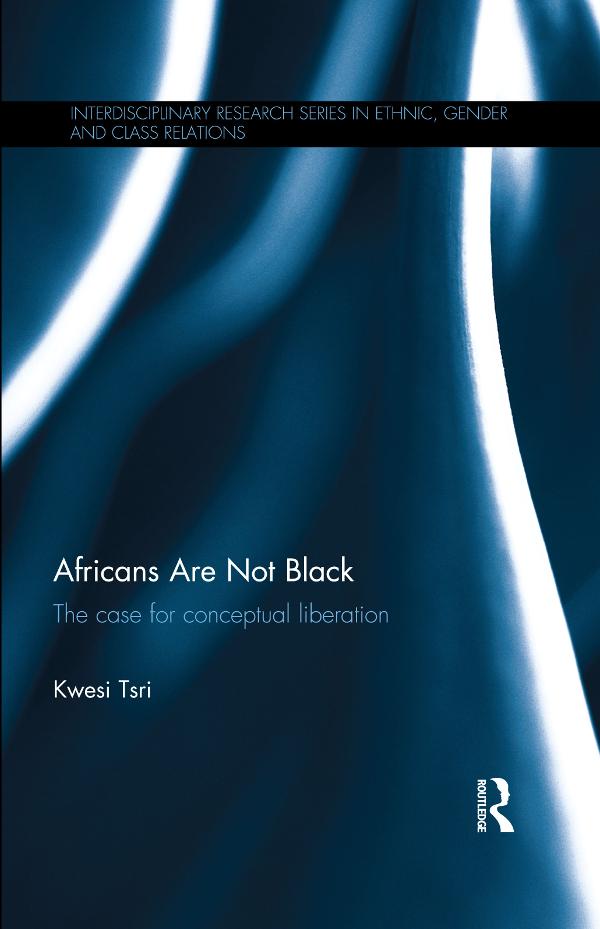
Africans are not literally black, yet they are called black. Why? This book explores the genesis and evolution of the description of Africans as black, the consequences of this practice, and how it contributes to the denigration (blackening) and dehumanisation of Africans. It uses this analysis to advance a case for abandoning the use of the term ‘black’ to describe and categorise Africans. Mainstream discussions of the history of European racism have generally neglected the role of black and white colour symbolisms in sustaining the supposed superiority of those labelled white over those labelled black. This work redresses that neglect, by tracing the genesis of the conception of Africans as black in ancient Greece and its continued employment in early Christian writings, followed by an original, close analysis of how this use is replicated in three key representative texts: Shakespeare's Othello, the translation of the Bible into the African language Ewe, and a book by the influential Ghanaian religious leader, Mensa Otabil. It concludes by directly addressing the argument that ‘black’ can be turned into a positive concept, demonstrating the failure of this approach to deal with the real problems raised by imposing the term ‘black’ on its human referents.
Paga facilmente con carta, Klarna, Apple Pay o Google Pay. Non sei soddisfatto? Hai sempre 14 giorni per il rimborso. Leggi di più nei nostri termini. Per qualsiasi domanda, scrivici a hello@memmo.org.
Memmo rende lo studio più facile, ovunque tu sia nel mondo. Qui trovi i tuoi libri di testo e strumenti di studio intelligenti, tutto in un unico posto: riassunti, quiz, podcast e flashcard. E poi c'è Ted, il tuo compagno di studio che risponde a ogni tua domanda. Oltre 50.000 studenti studiano già qui: è stato creato per aiutarti a imparare più velocemente e a stressarti meno.