
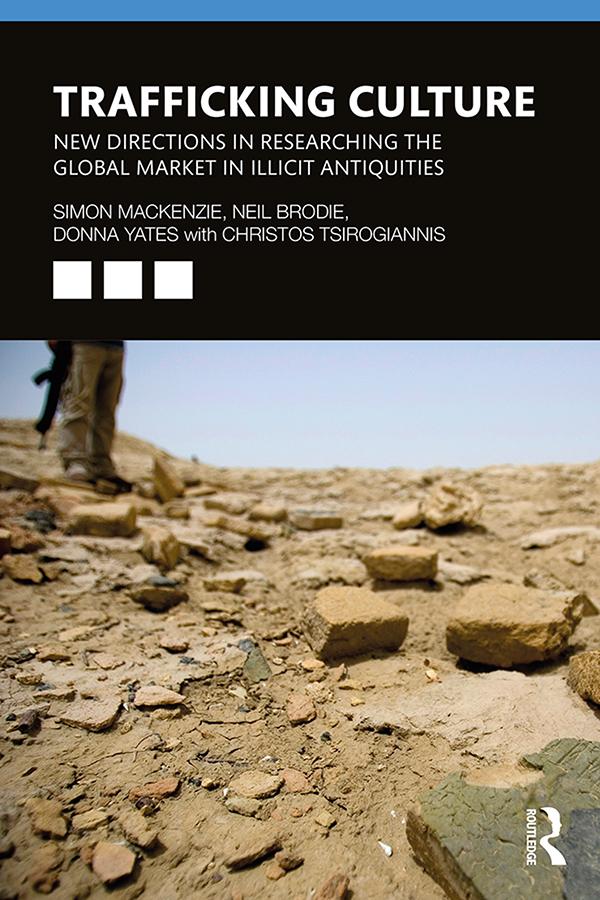
Trafficking Culture outlines current research and thinking on the illicit market in antiquities. It moves along the global trafficking chain from ‘source’ to ‘market’, identifying the main roles and routines involved. Using original research, the authors explore the dynamics of this ‘grey’ market, where legal and illegal goods are mixed and conflated. It compares and contrasts this illicit trade with other ‘transnational criminal markets’, such as the illegal trades in wildlife and diamonds.
The analytical frames of organized crime and white-collar crime, drawn from criminology, provide a fresh perspective on a problem that has tended to be seen as archaeological, rather than criminological. Bringing insights from both disciplines together, this book represents a productive discourse between experts in these two fields, working together for several years to produce the evidence base that is reported here.
Innovative forms of regulation are the most productive way to explore crime control in this field, and this book provides a series of propositions about practical crime reduction measures for the future. It will be invaluable to academics working in the fields of archaeology, criminology, art history, museum studies, and heritage. The book will also be a vital resource for professionals in the field of cultural property protection and preservation.
Paga facilmente con carta, Klarna, Apple Pay o Google Pay. Non sei soddisfatto? Hai sempre 14 giorni per il rimborso. Leggi di più nei nostri termini. Per qualsiasi domanda, scrivici a hello@memmo.org.
Memmo rende lo studio più facile, ovunque tu sia nel mondo. Qui trovi i tuoi libri di testo e strumenti di studio intelligenti, tutto in un unico posto: riassunti, quiz, podcast e flashcard. E poi c'è Ted, il tuo compagno di studio che risponde a ogni tua domanda. Oltre 50.000 studenti studiano già qui: è stato creato per aiutarti a imparare più velocemente e a stressarti meno.