
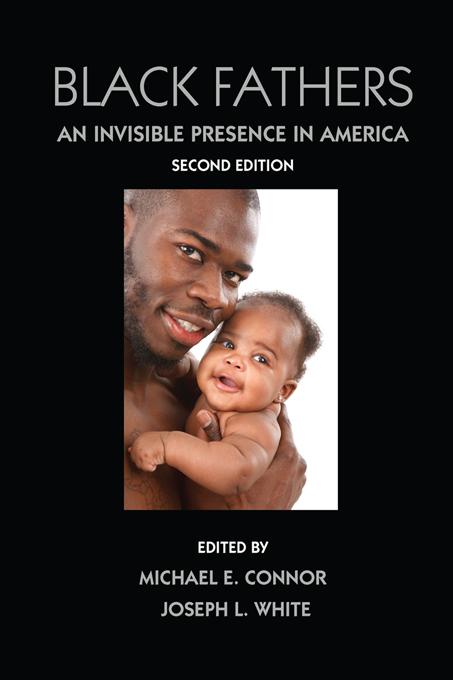
This book offers a broader, more positive picture of African American fathers. Featuring case studies of African-descended fathers, this edited volume brings to life the achievements and challenges of being a black father in America. Leading scholars and practitioners provide unique insight into this understudied population. Short-sighted social policies which do not encourage father involvement are critically examined and the value of father engagement is promoted. The problems associated with the absence of a father are also explored.
The second edition features an increased emphasis on:
- the historical issues confronting African descended fathers
- the impact of health issues on Black fathers and their children
- the need for therapeutic interventions to aid in the healing of fathers and their children
- the impact of an Afrikan-centered fathering approach and the need for research which considers systemic problems confronting African American fathers
- community focused models that provide new ideas for (re)connecting absent fathers
- learning tools including reflective questions and a conclusion in each chapter and more theory and research throughout the book.
Part I provides a historical overview of African descended fathers including their strengths and shortcomings over the years. Next, contributors share their personal stories including one from a communal father working with underserved youth and two others that highlight the impact of absent fathers. Then, the research on father-daughter relationships is examined including the impact of father absence on daughters and on gender identity. This section concludes with a discussion of serving adolescents in the foster care system. Part II focuses on the importance of a two-parent home, communal fathering, and equalitarian households. Cultural implications and barriers to relationships are also explored. This section concludes with a discussion of the struggles Black men face with role definitions. The book concludes with a discussion of the impact of adoption and health issues on Black fathers and their children, and the need for more effective therapeutic interventions that include a perspective centered in the traditions and cultures of Afrika in learning to become a father. The final chapter offers an intervention model to aid in fatherhood.
An ideal supplementary text for courses on fathers and fathering, introduction to the family, parenting, African American families/men, men and masculinity, Black studies, race and ethnic relations, and family issues taught in a variety of departments, the book also appeals to social service providers, policy makers, and clergy who work with community institutions.
Paga facilmente con carta, Klarna, Apple Pay o Google Pay. Non sei soddisfatto? Hai sempre 14 giorni per il rimborso. Leggi di più nei nostri termini. Per qualsiasi domanda, scrivici a hello@memmo.org.
Memmo rende lo studio più facile, ovunque tu sia nel mondo. Qui trovi i tuoi libri di testo e strumenti di studio intelligenti, tutto in un unico posto: riassunti, quiz, podcast e flashcard. E poi c'è Ted, il tuo compagno di studio che risponde a ogni tua domanda. Oltre 50.000 studenti studiano già qui: è stato creato per aiutarti a imparare più velocemente e a stressarti meno.