
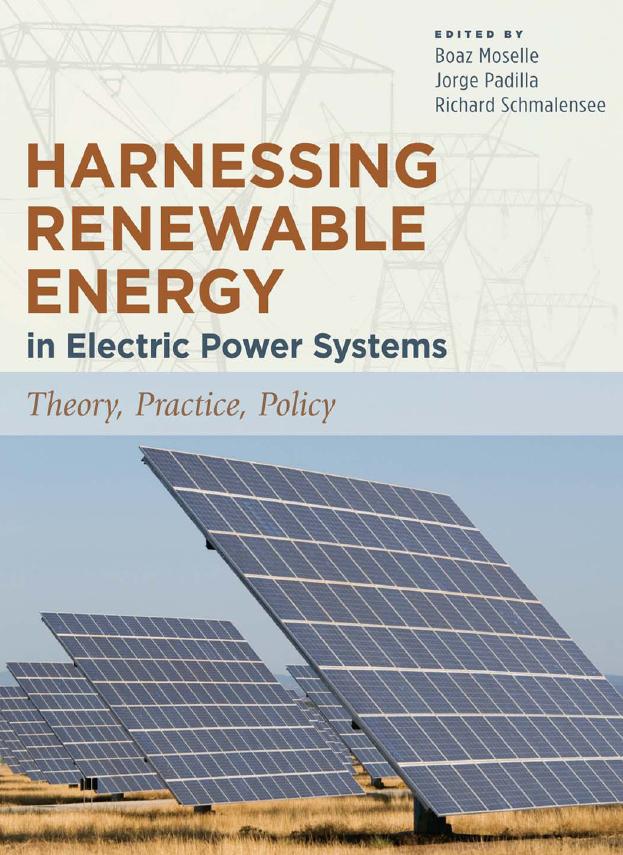
Reflecting its reliance on fossil fuels, the electric power industry produces the majority of the world's greenhouse gas emissions. The need for a revolution in the industry becomes further apparent given that 'decarbonization' means an increasing electrification of other sectors of the economy in particular, through a switch from gasoline to electric vehicles. Of the options for producing electric power without significant greenhouse gas emissions, renewable energy is most attractive to policymakers, as it promises increased national self-reliance on energy supplies and the creation of new industries and jobs, without the safety and political concerns of nuclear power or the unproven technology of carbon capture and storage.
Drawing on both economic theory and the experiences of the United States and EU member states, Harnessing Renewable Energy addresses the key questions surrounding renewable energy policies. How appropriate is the focus on renewable power as a primary tool for reducing greenhouse gas emissions? If renewable energy is given specific support, what form should that support take? What are the implications for power markets if renewable generation is widely adopted? Thorough and well-evidenced, this book will be of interest to a broad range of policymakers, the electric power industry, and economists who study energy and environmental issues.
Paga facilmente con carta, Klarna, Apple Pay o Google Pay. Non sei soddisfatto? Hai sempre 14 giorni per il rimborso. Leggi di più nei nostri termini. Per qualsiasi domanda, scrivici a hello@memmo.org.
Memmo rende lo studio più facile, ovunque tu sia nel mondo. Qui trovi i tuoi libri di testo e strumenti di studio intelligenti, tutto in un unico posto: riassunti, quiz, podcast e flashcard. E poi c'è Ted, il tuo compagno di studio che risponde a ogni tua domanda. Oltre 50.000 studenti studiano già qui: è stato creato per aiutarti a imparare più velocemente e a stressarti meno.