
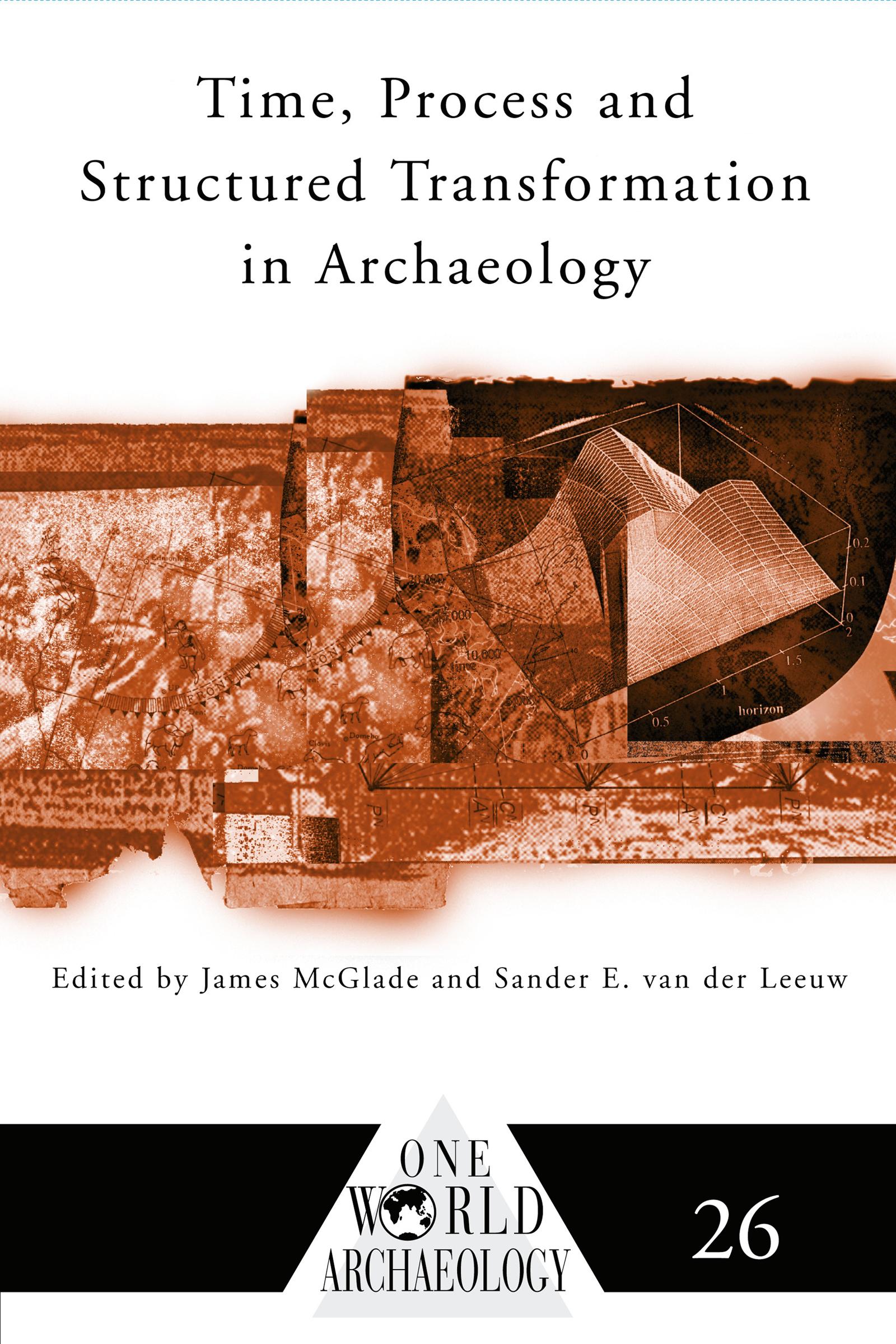
In a discipline which essentially studies how modern man came to be, it is remarkable that there are hardly any conceptual tools to describe change. This is due to the history of the western intellectual and scientific tradition, which for a long time favoured mechanics over dynamics, and the study of stability over that of change. Change was primarily deemed due to external events (in archaeology mainly climatic or 'environmental').
Revolutionary innovations in the natural and life sciences, often (erroneously) referred to as 'chaos theory', suggest that there are ways to overcome this problem. A wide range of processes can be described in terms of dynamic systems, and modern computing methods enable us to investigate many of their properties. This volume presents a cogent argument for the use of such approaches, and a discussion of a number of its aspects by a range of scientists from the humanities, social and natural sciences, and archaeology.
Paga facilmente con carta, Klarna, Apple Pay o Google Pay. Non sei soddisfatto? Hai sempre 14 giorni per il rimborso. Leggi di più nei nostri termini. Per qualsiasi domanda, scrivici a hello@memmo.org.
Memmo rende lo studio più facile, ovunque tu sia nel mondo. Qui trovi i tuoi libri di testo e strumenti di studio intelligenti, tutto in un unico posto: riassunti, quiz, podcast e flashcard. E poi c'è Ted, il tuo compagno di studio che risponde a ogni tua domanda. Oltre 50.000 studenti studiano già qui: è stato creato per aiutarti a imparare più velocemente e a stressarti meno.
Potrebbe interessarti anche
Acquista il libro0