
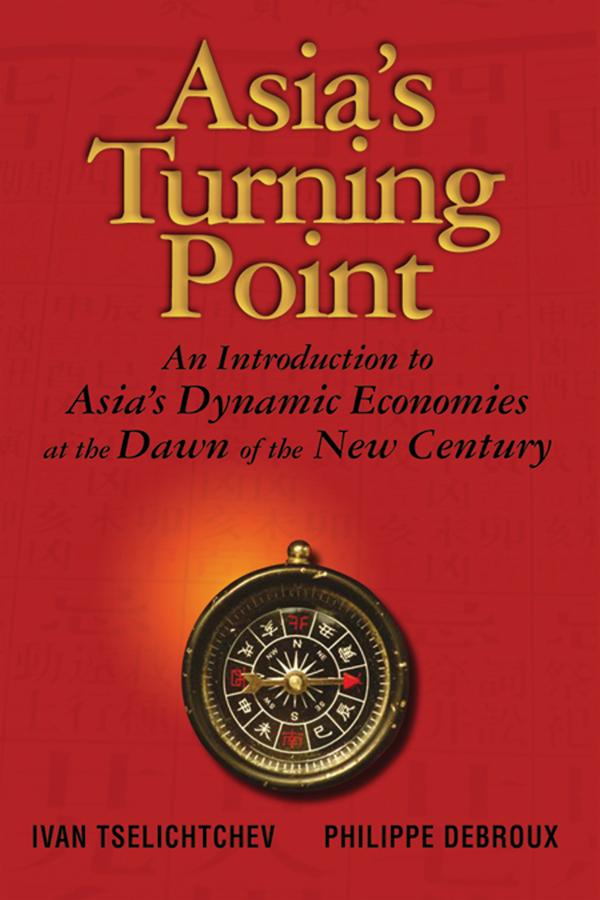
Asia was probably the biggest economic sensation of the post-war decades. The breathtaking success of Japan was followed by a remarkable rise of "four tigers", then ASEAN founder states and then China. The Asian miracle became a commonly accepted definition of this success. In the late 1970s and especially 80s it became clear that the balance of power in the world had changed. Politicians, businessmen, scholars began to talk about "the new Asia Pacific age" and Asian economic model, different from and, maybe, even superior to Western capitalism. However, in 1997-98 the Asian economic crisis came and made the region a sick man. Six years before that Japan, the regional powerhouse entered more than a decade-long period of stagnation. The miracle was over. However, the crisis was overcome within a surprisingly short period of time. Naturally, the question arises: What now? What is going on in the region after the miracle and after the crisis? What is today's face of Asian capitalism and how should we view its performance?
Readers interested in regional developments will find a lot of literature about miracle decades and crisis years. However, few analysts have addressed the challenging questions addressed in this book.
The authors vividly show that Asian capitalism is undergoing a radical structural transformation. These changes are directly affecting its key institutions: governments, companies, labor relations, etc. As a result Asian economic systems are becoming much closer to the Western-style, especially Anglo-Saxon capitalism, though the region retains some important specific features, especially regarding business culture.
This book is a must for business people worldwide, for all those who study the region in colleges and business schools, for people engaged in various international activities and, finally, for all those who want learn more about our world at the dawn of the new century.
Readers interested in regional developments will find a lot of literature about miracle decades and crisis years. However, few analysts have addressed the challenging questions addressed in this book.
The authors vividly show that Asian capitalism is undergoing a radical structural transformation. These changes are directly affecting its key institutions: governments, companies, labor relations, etc. As a result Asian economic systems are becoming much closer to the Western-style, especially Anglo-Saxon capitalism, though the region retains some important specific features, especially regarding business culture.
This book is a must for business people worldwide, for all those who study the region in colleges and business schools, for people engaged in various international activities and, finally, for all those who want learn more about our world at the dawn of the new century.
Paga facilmente con carta, Klarna, Apple Pay o Google Pay. Non sei soddisfatto? Hai sempre 14 giorni per il rimborso. Leggi di più nei nostri termini. Per qualsiasi domanda, scrivici a hello@memmo.org.
Memmo rende lo studio più facile, ovunque tu sia nel mondo. Qui trovi i tuoi libri di testo e strumenti di studio intelligenti, tutto in un unico posto: riassunti, quiz, podcast e flashcard. E poi c'è Ted, il tuo compagno di studio che risponde a ogni tua domanda. Oltre 50.000 studenti studiano già qui: è stato creato per aiutarti a imparare più velocemente e a stressarti meno.