
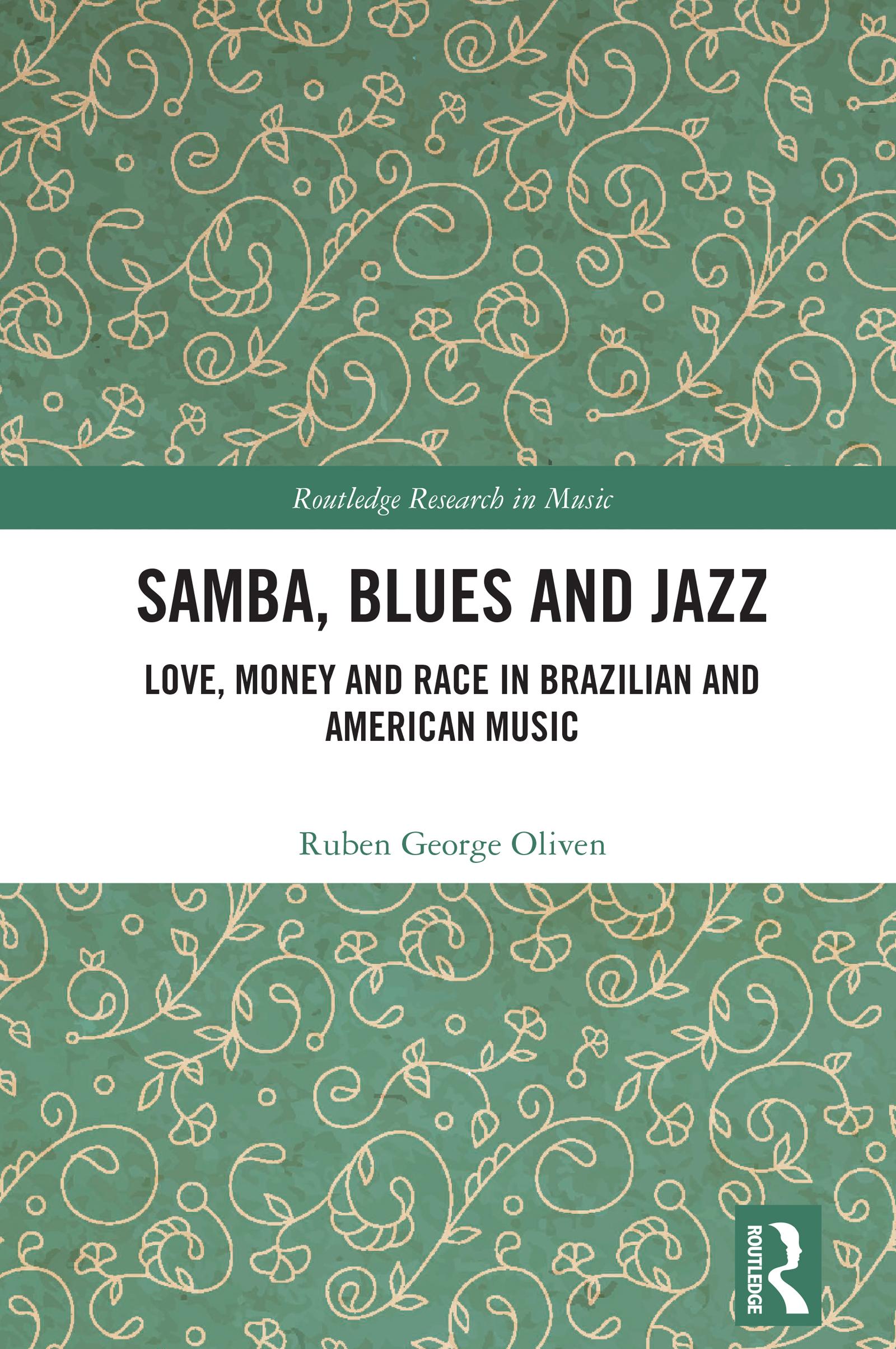
This book compares the origins of samba, jazz, and the blues, discussing the racial and popular class elements surrounding them and how white middle-class composers gradually appropriated them, in the context of Brazil and the United States, providing invaluable comparative insights about modernity, music, and race. These musical styles developed at the beginning of the twentieth century when Brazil and the United States, despite their differences, underwent significant social processes, such as dealing with the consequences of enslavement, European and global migration, rapid urbanization and industrialization, monetization of life, changes in gender and family relations, and the building of national identities. Their lyrics carry potent messages that reflect their social context and shed light on recurring themes such as work, money, love, gender, family, and race. Many of these songs have become classics that continue to resonate with the imaginaries of both countries. Brazilian and American music intertwined through the performances of Black musicians in 1920s Paris, the development of jazz bands in Brazil, and the presence of artists like Carmen Miranda in 1940s Hollywood.
The book will be of interest to those studying the modern Americas, popular culture, music and race, affect in history, gender, and modernity.
Paga facilmente con carta, Klarna, Apple Pay o Google Pay. Non sei soddisfatto? Hai sempre 14 giorni per il rimborso. Leggi di più nei nostri termini. Per qualsiasi domanda, scrivici a hello@memmo.org.
Memmo rende lo studio più facile, ovunque tu sia nel mondo. Qui trovi i tuoi libri di testo e strumenti di studio intelligenti, tutto in un unico posto: riassunti, quiz, podcast e flashcard. E poi c'è Ted, il tuo compagno di studio che risponde a ogni tua domanda. Oltre 50.000 studenti studiano già qui: è stato creato per aiutarti a imparare più velocemente e a stressarti meno.