
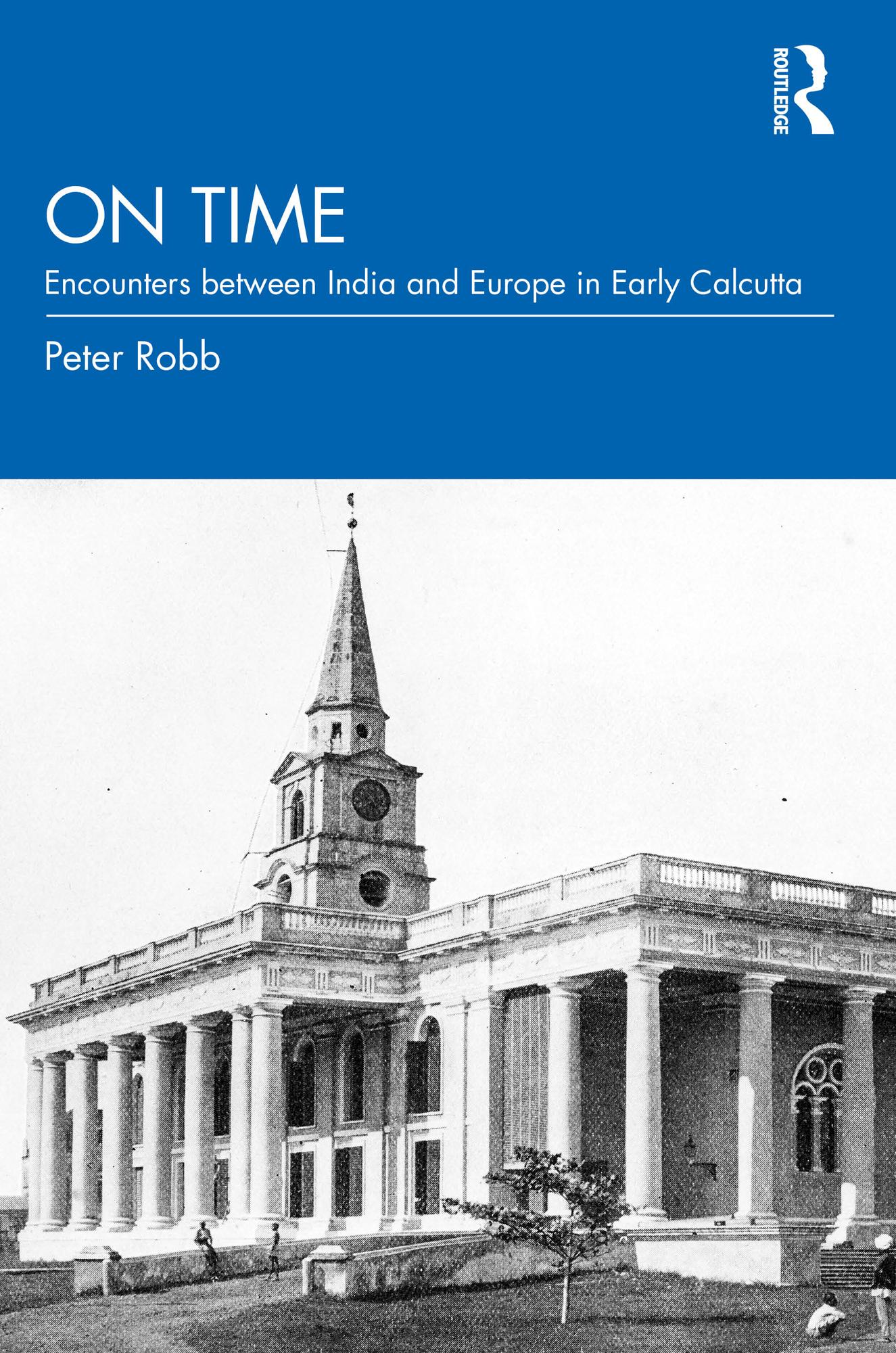
This book explores the intersection of public and private temporal systems. Examining Calcutta between 1780 and 1830, it reveals how time functioned as both a regulatory mechanism of emerging colonial governance and a deeply personal construct that continued to reflect pre-colonial norms and practices.
The author navigates the complex temporal landscape of early colonial Calcutta, where European clock-based standardisation encountered and co-existed with indigenous temporal frameworks. The analysis illuminates how time manifested across diverse contexts—from distance perception and collective memory to religious festivals, scientific endeavours, financial transactions and labour relations. It assesses extensions of law, imperfections of policy and both European and Indian reactions.
Drawing upon a rich tapestry of sources, including the collection of Richard Blechynden's diaries and papers, this study offers unprecedented insight into daily temporal experiences of both Europeans and Indians which (it is argued) foreshadowed major changes to come. It will be significant reading for scholars and researchers of colonialism, South Asian history, India-England relations, temporal studies and modern Indian history.
Paga facilmente con carta, Klarna, Apple Pay o Google Pay. Non sei soddisfatto? Hai sempre 14 giorni per il rimborso. Leggi di più nei nostri termini. Per qualsiasi domanda, scrivici a hello@memmo.org.
Memmo rende lo studio più facile, ovunque tu sia nel mondo. Qui trovi i tuoi libri di testo e strumenti di studio intelligenti, tutto in un unico posto: riassunti, quiz, podcast e flashcard. E poi c'è Ted, il tuo compagno di studio che risponde a ogni tua domanda. Oltre 50.000 studenti studiano già qui: è stato creato per aiutarti a imparare più velocemente e a stressarti meno.