
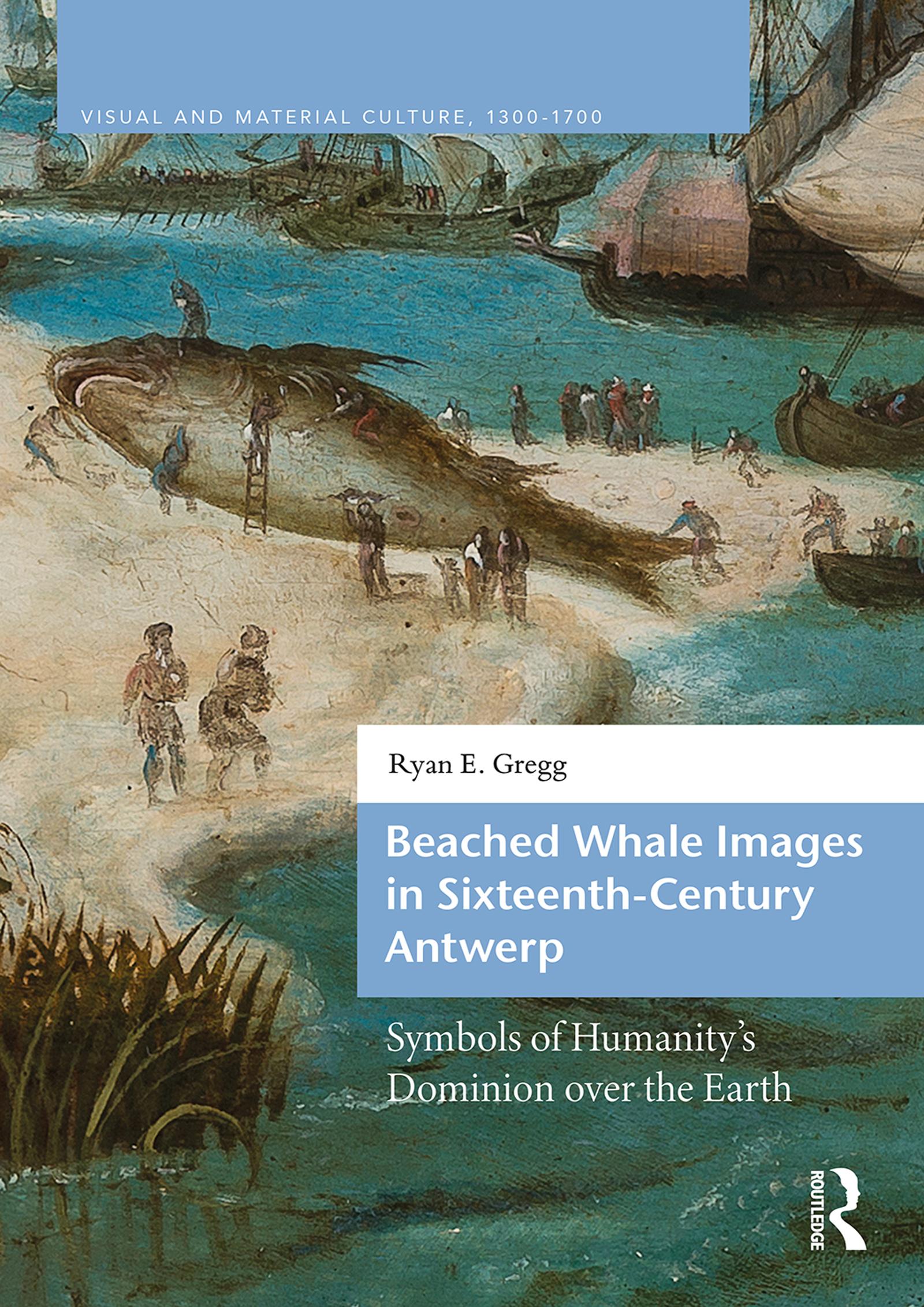
This book examines a small group of sixteenth-century Antwerp artworks depicting the butchering of beached whales, revealing how these images represent a pivotal moment in European attitudes toward nature. It argues that these "cetaceous units"—iconographic compounds showing humans dominating marine mammals—served as powerful symbols of humanity's relationship with the ocean and the natural world more broadly, marking a transition from medieval moralizing approaches to early modern empirical investigation.
The study provides a detailed iconographical analysis of works by artists such as Herri met de Bles, Master J. Kock, Anton van den Wyngaerde, and Hendrick Goltzius. It traces the evolution of whale imagery from ancient Roman sources through medieval bestiaries to Renaissance naturalist texts, examining how flensing scenes reflected contemporary whaling practices while symbolizing Christian themes and political authority. The study incorporates ecocritical methodology to demonstrate how these images justified European exploitation of natural resources and established visual precedents for later scientific illustration.
This book will appeal to art historians specializing in early modern art, environmental historians, and scholars of ecocriticism. It offers valuable insights for researchers interested in human–animal relationships, maritime history, and the intersection of art with scientific inquiry during the Renaissance period.
Paga facilmente con carta, Klarna, Apple Pay o Google Pay. Non sei soddisfatto? Hai sempre 14 giorni per il rimborso. Leggi di più nei nostri termini. Per qualsiasi domanda, scrivici a hello@memmo.org.
Memmo rende lo studio più facile, ovunque tu sia nel mondo. Qui trovi i tuoi libri di testo e strumenti di studio intelligenti, tutto in un unico posto: riassunti, quiz, podcast e flashcard. E poi c'è Ted, il tuo compagno di studio che risponde a ogni tua domanda. Oltre 50.000 studenti studiano già qui: è stato creato per aiutarti a imparare più velocemente e a stressarti meno.