
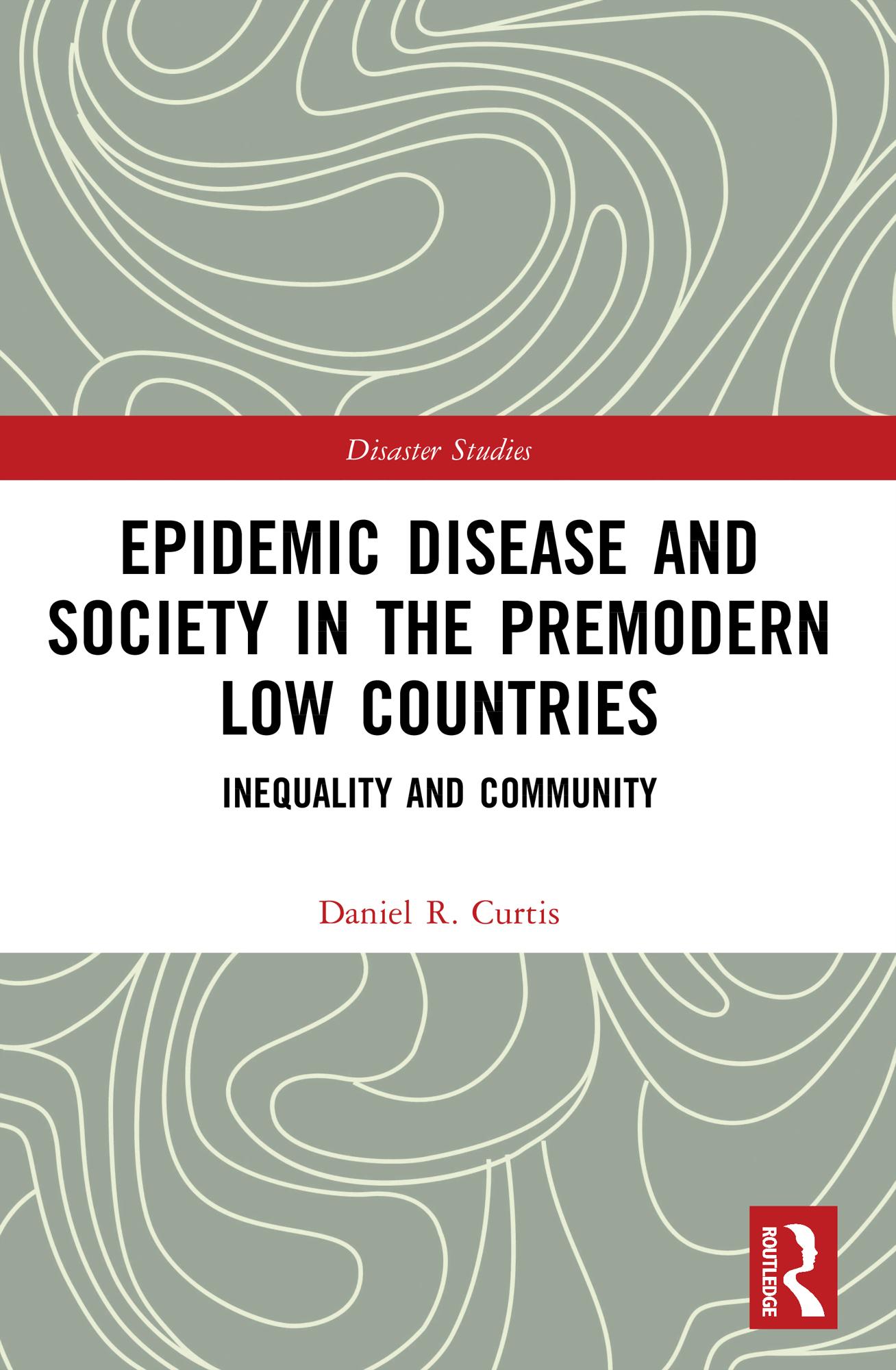
In this book, evidence from a long-run history of epidemic-society interaction in the Low Countries shows that most recurring outbreaks were accommodated by communities, and most reactions, responses, and changes seen were the product of frequent and incremental adaptations, sometimes in periods outside of epidemics.
Epidemics blur the distinction between the normal and the sub-normal. Accordingly, although histories tend to emphasise epidemics’ capacity to create sharp changes, deviations, or transitions within societies and economies, this book develops an alternative argument that the most relevant questions are not “how and why change”, but given the substantial pressures of raised mortality, why was change often so modest? It brings together around five centuries' worth of existing and new evidence on epidemics and societal resistance, wealth redistribution, and women’s experiences to support this interpretation.
Challenging conventional narratives about epidemics as agents of dramatic change, this book will be of interest to researchers examining historiographical debates about crisis and continuity in European history.
The Open Access version of this book, available at http://www.taylorfrancis.com, has been made available under a Creative Commons [Attribution-Non Commercial-No Derivatives (CC BY-NC-ND)] 4.0 license.
Paga facilmente con carta, Klarna, Apple Pay o Google Pay. Non sei soddisfatto? Hai sempre 14 giorni per il rimborso. Leggi di più nei nostri termini. Per qualsiasi domanda, scrivici a hello@memmo.org.
Memmo rende lo studio più facile, ovunque tu sia nel mondo. Qui trovi i tuoi libri di testo e strumenti di studio intelligenti, tutto in un unico posto: riassunti, quiz, podcast e flashcard. E poi c'è Ted, il tuo compagno di studio che risponde a ogni tua domanda. Oltre 50.000 studenti studiano già qui: è stato creato per aiutarti a imparare più velocemente e a stressarti meno.