
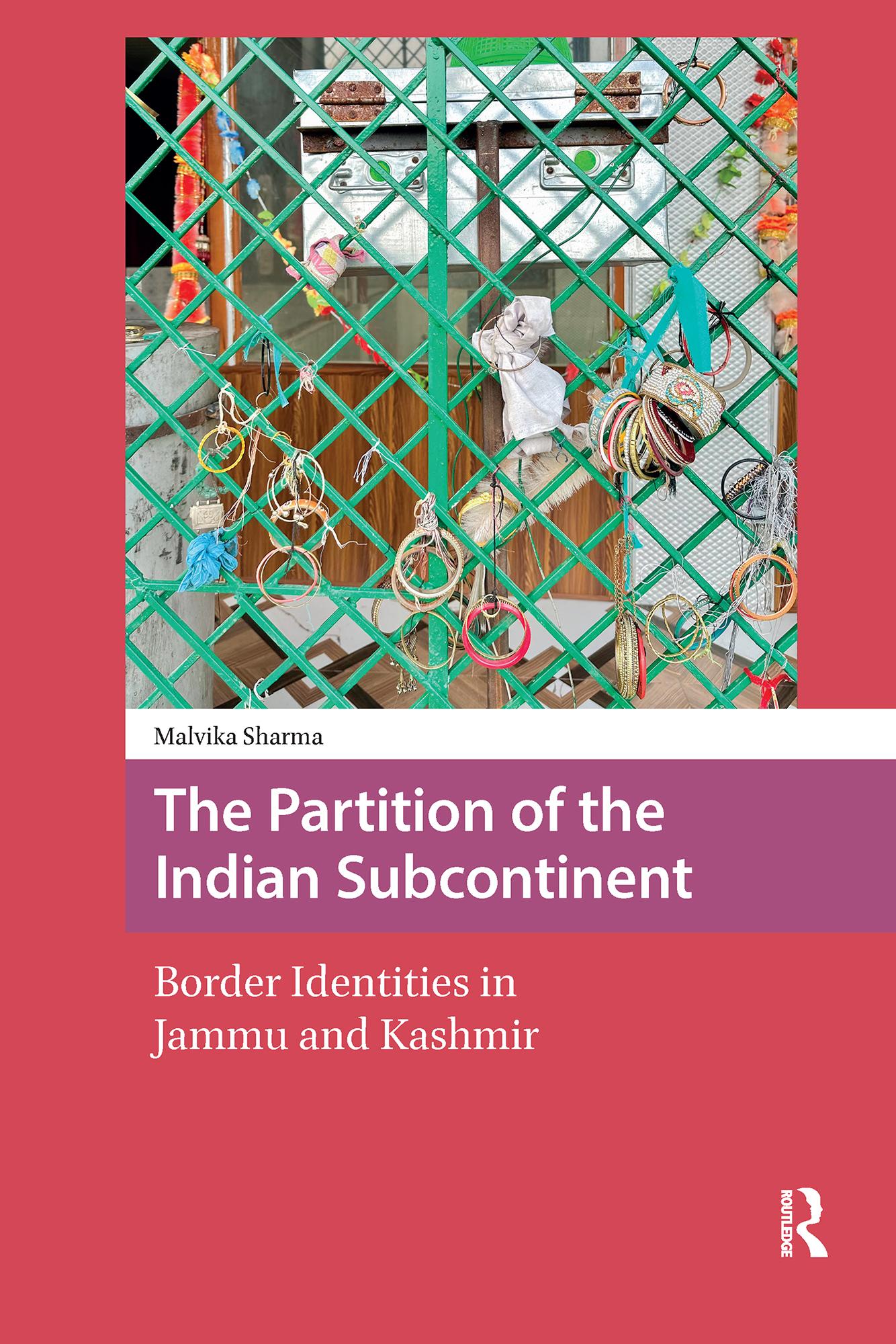
Pir-Panjals, the Himalayan ranges in Jammu and Kashmir, are home to various communities known for their distinctiveness, heterogeneity and diversity. Such diversity is historically embedded in the fluidity embodied by folds of Panjals. These folds encapsulated social, cultural, and religious plurality within the principalities that thrived here. The Partition of 1947 profoundly altered this by carving lines of demarcation—present day line-of-control—into the landscape. These lines have territorially, religiously and culturally divided ethnicities, including the Paharis of Poonch, known for multi-religious and linguistic cohesion. This book examines Partition’s impact on these pockets of diversity by exploring how Partition’s borders continue to shape social, symbolic and religious boundaries and how these boundaries impact shared plurality here. The work emphasizes the need to identify and archive sources of plurality so that their cultivation and practice continue to counter “the binaries” that essentially homogenize life-ways into categories of us versus them.
Paga facilmente con carta, Klarna, Apple Pay o Google Pay. Non sei soddisfatto? Hai sempre 14 giorni per il rimborso. Leggi di più nei nostri termini. Per qualsiasi domanda, scrivici a hello@memmo.org.
Memmo rende lo studio più facile, ovunque tu sia nel mondo. Qui trovi i tuoi libri di testo e strumenti di studio intelligenti, tutto in un unico posto: riassunti, quiz, podcast e flashcard. E poi c'è Ted, il tuo compagno di studio che risponde a ogni tua domanda. Oltre 50.000 studenti studiano già qui: è stato creato per aiutarti a imparare più velocemente e a stressarti meno.