
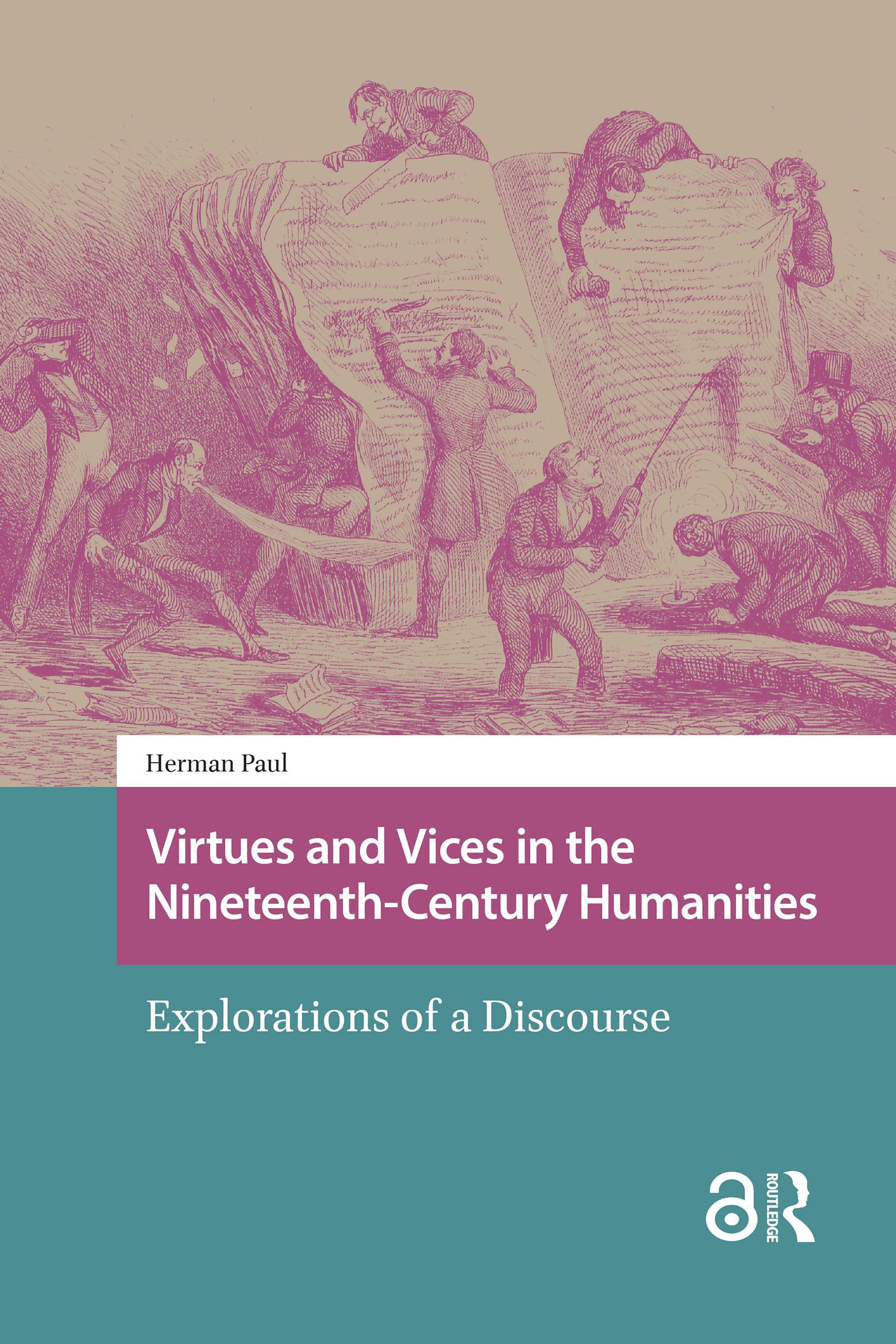
What do scholars do when they talk about virtues (impartiality, accuracy) or vices (dogmatism, prejudice)? Against the common view that such high-minded talk is largely irrelevant to actual scholarly practice, this volume proposes to treat it as a practice in its own right. Drawing on case studies from the nineteenth-century humanities (with occasional forays into physics, chemistry, and medicine), Paul shows that notions of virtue and vice were an evaluative discourse used across the academic spectrum. Paul argues that this evaluative idiom is best studied from a rhetorical point of view, with due attention to repertoires on which scholars drew, explicit or implicit appeals to authority, multi-layered meanings of virtue and vice terms, different uses to which these concepts were put, and societal contexts that lent plausibility to scholars' invocations of virtue and vice. Based on more than a decade of research, this volume will be a key reference for scholars interested in virtues, vices, and the history of the humanities.
Paga facilmente con carta, Klarna, Apple Pay o Google Pay. Non sei soddisfatto? Hai sempre 14 giorni per il rimborso. Leggi di più nei nostri termini. Per qualsiasi domanda, scrivici a hello@memmo.org.
Memmo rende lo studio più facile, ovunque tu sia nel mondo. Qui trovi i tuoi libri di testo e strumenti di studio intelligenti, tutto in un unico posto: riassunti, quiz, podcast e flashcard. E poi c'è Ted, il tuo compagno di studio che risponde a ogni tua domanda. Oltre 50.000 studenti studiano già qui: è stato creato per aiutarti a imparare più velocemente e a stressarti meno.
Potrebbe interessarti anche
Acquista il libro0