
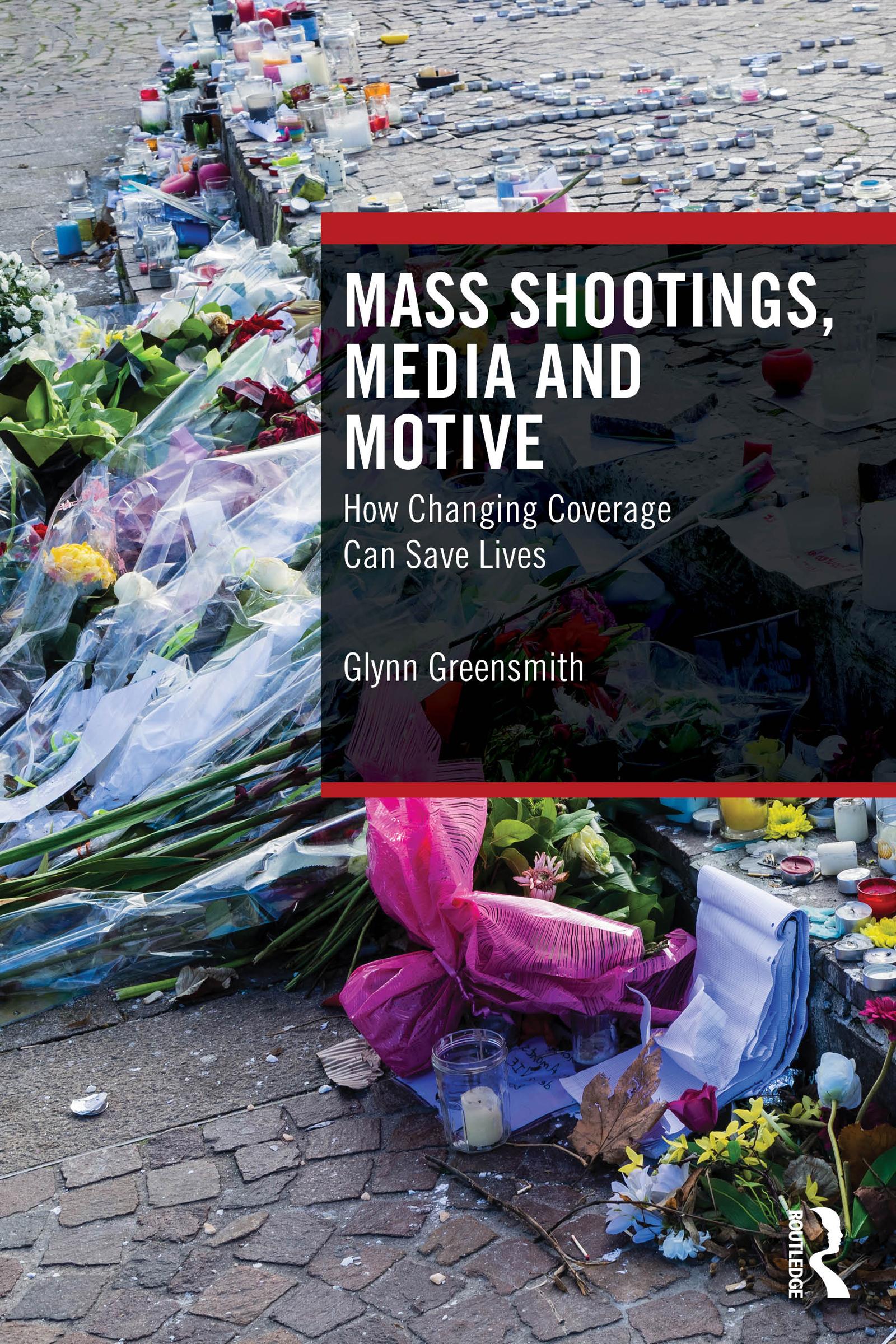
Media coverage is a hugely significant factor in the rise, frequency, and lethality of mass shootings. After the murder of 16 people at the University of Texas in 1966, the crime of random mass shootings went from an oddity, a rarity, to widespread. What changed? In simple terms: the news did.
This book uses major cultural events in Australia (Port Arthur and Bondi Beach), Scotland (Dunblane), Norway (Oslo), New Zealand (Christchurch), and the US to synthesise 60 years of mass shooting research into the journalism perspective, outlining: the script of coverage, the nature of copycat versus contagion, the typology and lessons from the amok phenomenon, and the relevance of the rise of single-actor terrorism. It outlines the history of mass murder, details the turning points, and brings first-hand accounts from those who have been directly impacted by it, and those who have reported it.
This book outlines changes to reporting guidelines that have been made, and the news editors who made those changes explain exactly why and how they did it. This book details and recommends changes that can be made: recommendations for reporting guidelines that can make a difference, that can unquestionably save lives. How we tell a story matters, and, in the case of mass murder, the journalism perspective is essential.
Change the story, change the crime.
Paga facilmente con carta, Klarna, Apple Pay o Google Pay. Non sei soddisfatto? Hai sempre 14 giorni per il rimborso. Leggi di più nei nostri termini. Per qualsiasi domanda, scrivici a hello@memmo.org.
Memmo rende lo studio più facile, ovunque tu sia nel mondo. Qui trovi i tuoi libri di testo e strumenti di studio intelligenti, tutto in un unico posto: riassunti, quiz, podcast e flashcard. E poi c'è Ted, il tuo compagno di studio che risponde a ogni tua domanda. Oltre 50.000 studenti studiano già qui: è stato creato per aiutarti a imparare più velocemente e a stressarti meno.