
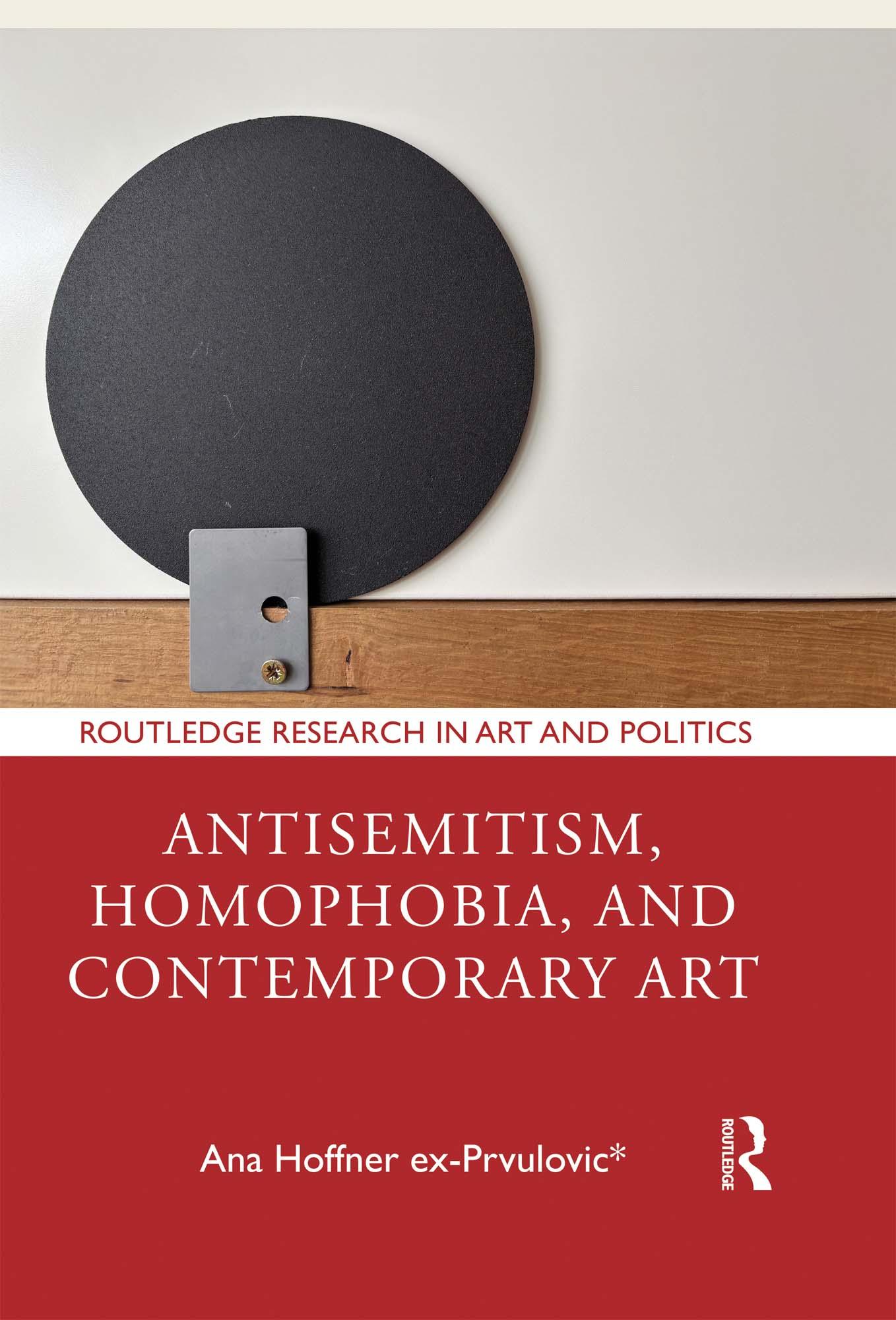
This book analyzes synchronization as a symptom of the contemporary art world.
Acting as a tool within present-day social, economic, and political systems, synchronization assigns individuals to predetermined forms of representation. At its core, this book challenges normative synchronization concepts as projections of a unity of bodies and voices, past and present, self and environment. The text offers a non-linear art historical narrative of those practices that have consistently tried to "desynchronize" from antisemitism and homophobia. Through thoughtful analysis of art practices from Claude Cahun and Marcel Moore, Zanele Muholi, Anna Daučíková, Sharon Hayes, Glenn Ligon, and Chantal Akerman, the author seeks to address the current wish to create contemporaneity for all—often through violence against those perceived as not belonging to it.
This book is ideal for researchers and scholars in Art History, Philosophy, Queer Theory, Gender Studies, and Sociology.
Paga facilmente con carta, Klarna, Apple Pay o Google Pay. Non sei soddisfatto? Hai sempre 14 giorni per il rimborso. Leggi di più nei nostri termini. Per qualsiasi domanda, scrivici a hello@memmo.org.
Memmo rende lo studio più facile, ovunque tu sia nel mondo. Qui trovi i tuoi libri di testo e strumenti di studio intelligenti, tutto in un unico posto: riassunti, quiz, podcast e flashcard. E poi c'è Ted, il tuo compagno di studio che risponde a ogni tua domanda. Oltre 50.000 studenti studiano già qui: è stato creato per aiutarti a imparare più velocemente e a stressarti meno.