
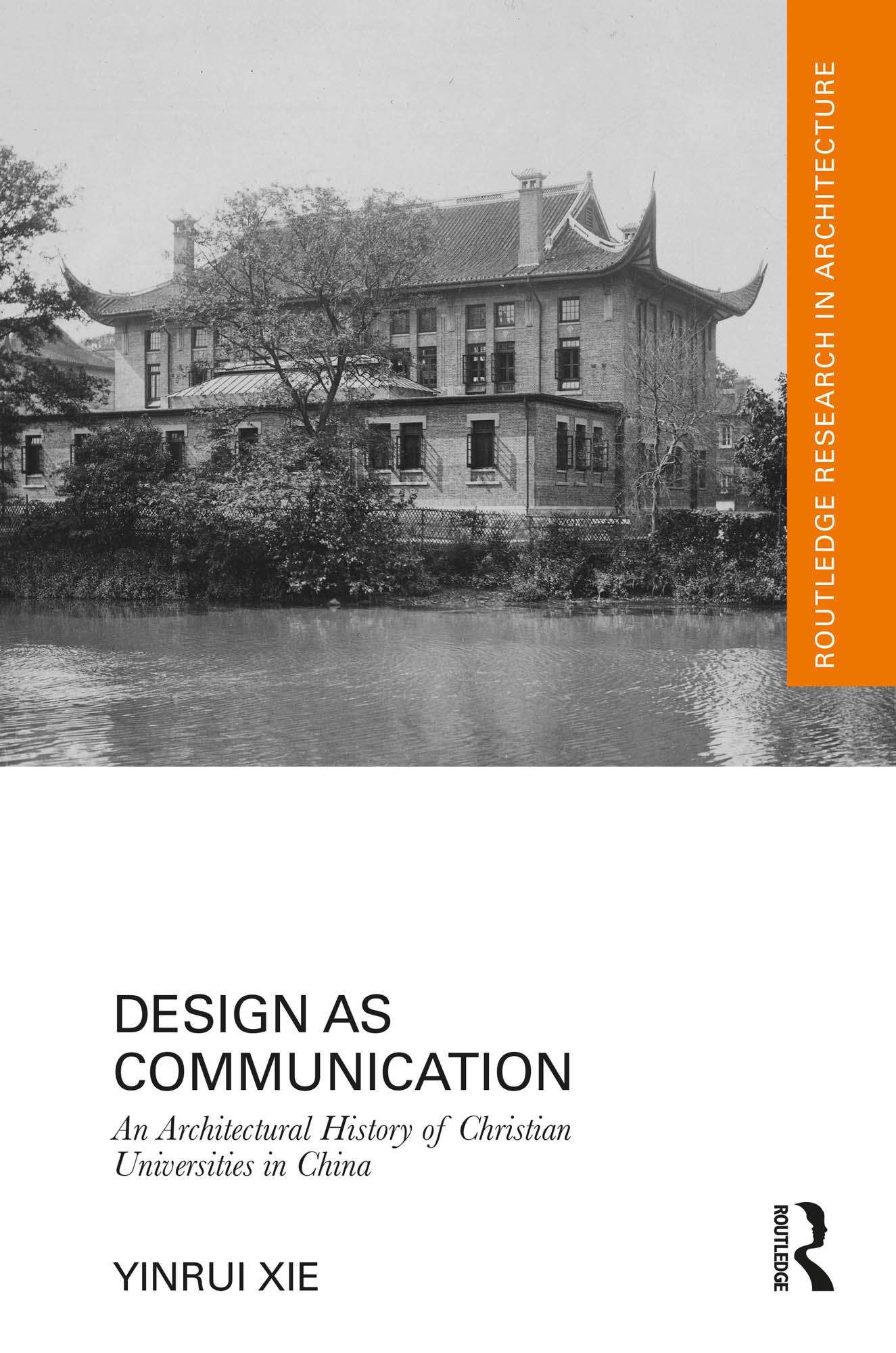
This book explores the architectural history of Christian universities in China, revealing how quasi‑colonial power interaction and cross‑cultural communication of meaning were channelled through religious and educational architecture in modern China.
The Christian universities in China witnessed an experimental representation of Chinese architectural identity, as the country – subject to an informal version of colonialism – struggled to become a modern nation‑state and to rethink its identity. This book offers new knowledge to the prospering postcolonial studies of the architectural history of Asian countries, deepening our understanding of the scope and content of the nuanced colonial encounters between the East and the West, and the relationship between architecture and power. Borrowing ideas from architectural semiotics, this book explores how architectural meaning has been interpreted and sometimes modified by its audience(s), whose voice has been largely ignored in traditional architectural historical studies. It provides a unique scope to further understand the communicative function of architecture, throwing light upon the broader socio‑cultural dialogue between China and the Western world in the twentieth century.
Design as Communication will be an enriching reference for those interested in the architectural dialogue between China and the West, architecture and postcolonialism and the localisation of Christianity in the world.
Paga facilmente con carta, Klarna, Apple Pay o Google Pay. Non sei soddisfatto? Hai sempre 14 giorni per il rimborso. Leggi di più nei nostri termini. Per qualsiasi domanda, scrivici a hello@memmo.org.
Memmo rende lo studio più facile, ovunque tu sia nel mondo. Qui trovi i tuoi libri di testo e strumenti di studio intelligenti, tutto in un unico posto: riassunti, quiz, podcast e flashcard. E poi c'è Ted, il tuo compagno di studio che risponde a ogni tua domanda. Oltre 50.000 studenti studiano già qui: è stato creato per aiutarti a imparare più velocemente e a stressarti meno.