
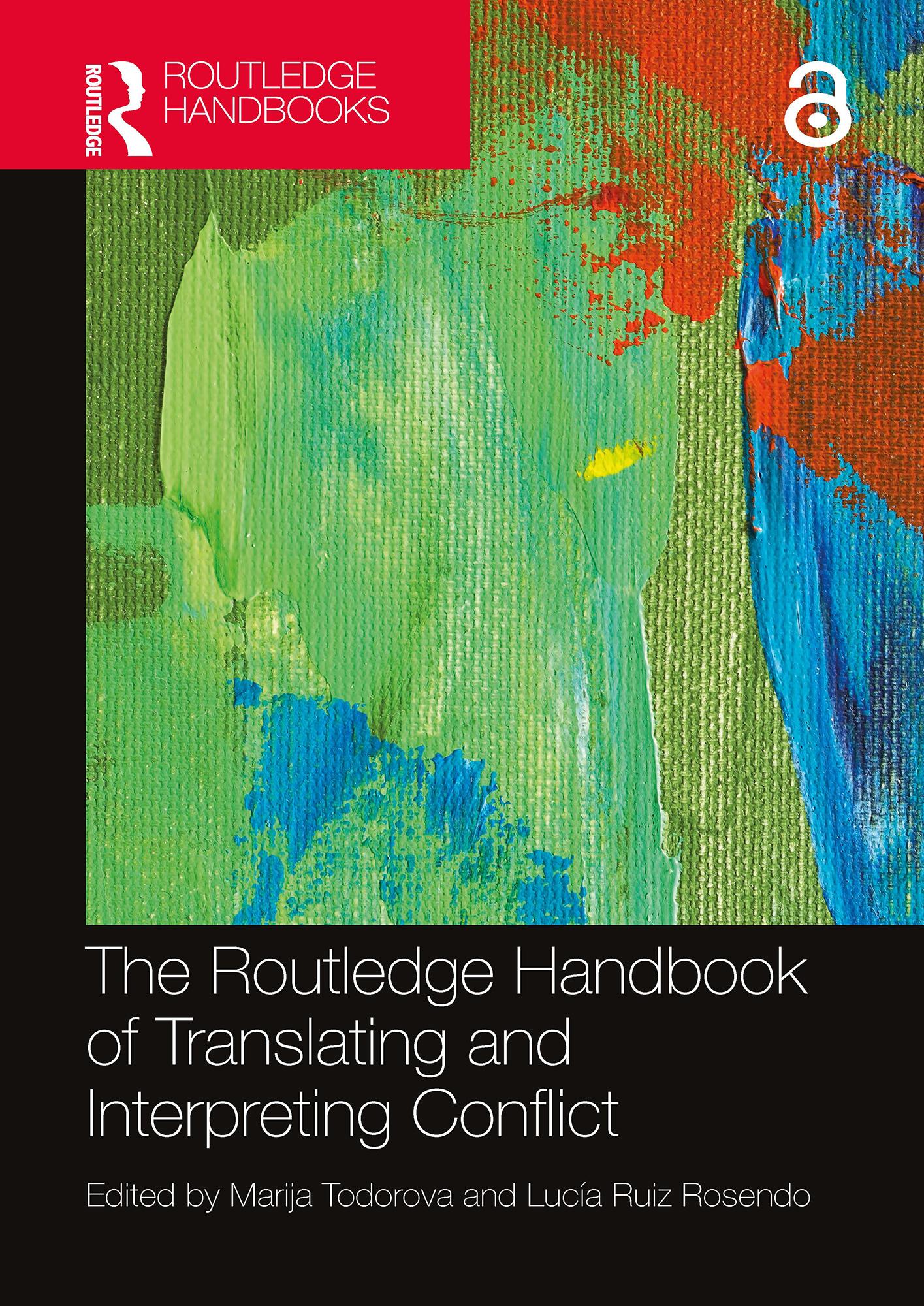
The Routledge Handbook of Translating and Interpreting Conflict offers a comprehensive exploration of the roles translators and interpreters play in conflict settings. Spanning diverse geographical regions and historical periods, this volume examines how language professionals contribute to military operations, humanitarian aid, peacebuilding, and asylum processes. The Handbook addresses pressing issues such as the recruitment and protection of interpreters, ethical dilemmas, emotional and psychological challenges, and the evolving use of technology in conflict zones. It also includes emerging topics such as the role of women interpreters, the translation of peace agreements, and the impact of environmental conflicts. Drawing on a wide range of case studies—from the medieval Iberian peninsula to the ongoing conflict in Ukraine—the book blends historical insights with contemporary examples, offering a truly global perspective.
Methodologically diverse chapters range from archival research and ethnographic studies to interviews, memoir and documentary film analyses, and micro-histories of individual interpreters. This volume is an essential resource for researchers, practitioners, students, and anyone interested in understanding how language shapes and responds to the complexities of conflict. It highlights the critical yet often overlooked contributions of translators and interpreters in some of the world’s most challenging situations.
Chapter 23 of this book is freely available as a downloadable Open Access PDF at http://www.taylorfrancis.com under a Creative Commons [Attribution-Non Commercial-No Derivatives (CC BY-NC-ND)] 4.0 license.
Paga facilmente con carta, Klarna, Apple Pay o Google Pay. Non sei soddisfatto? Hai sempre 14 giorni per il rimborso. Leggi di più nei nostri termini. Per qualsiasi domanda, scrivici a hello@memmo.org.
Memmo rende lo studio più facile, ovunque tu sia nel mondo. Qui trovi i tuoi libri di testo e strumenti di studio intelligenti, tutto in un unico posto: riassunti, quiz, podcast e flashcard. E poi c'è Ted, il tuo compagno di studio che risponde a ogni tua domanda. Oltre 50.000 studenti studiano già qui: è stato creato per aiutarti a imparare più velocemente e a stressarti meno.