
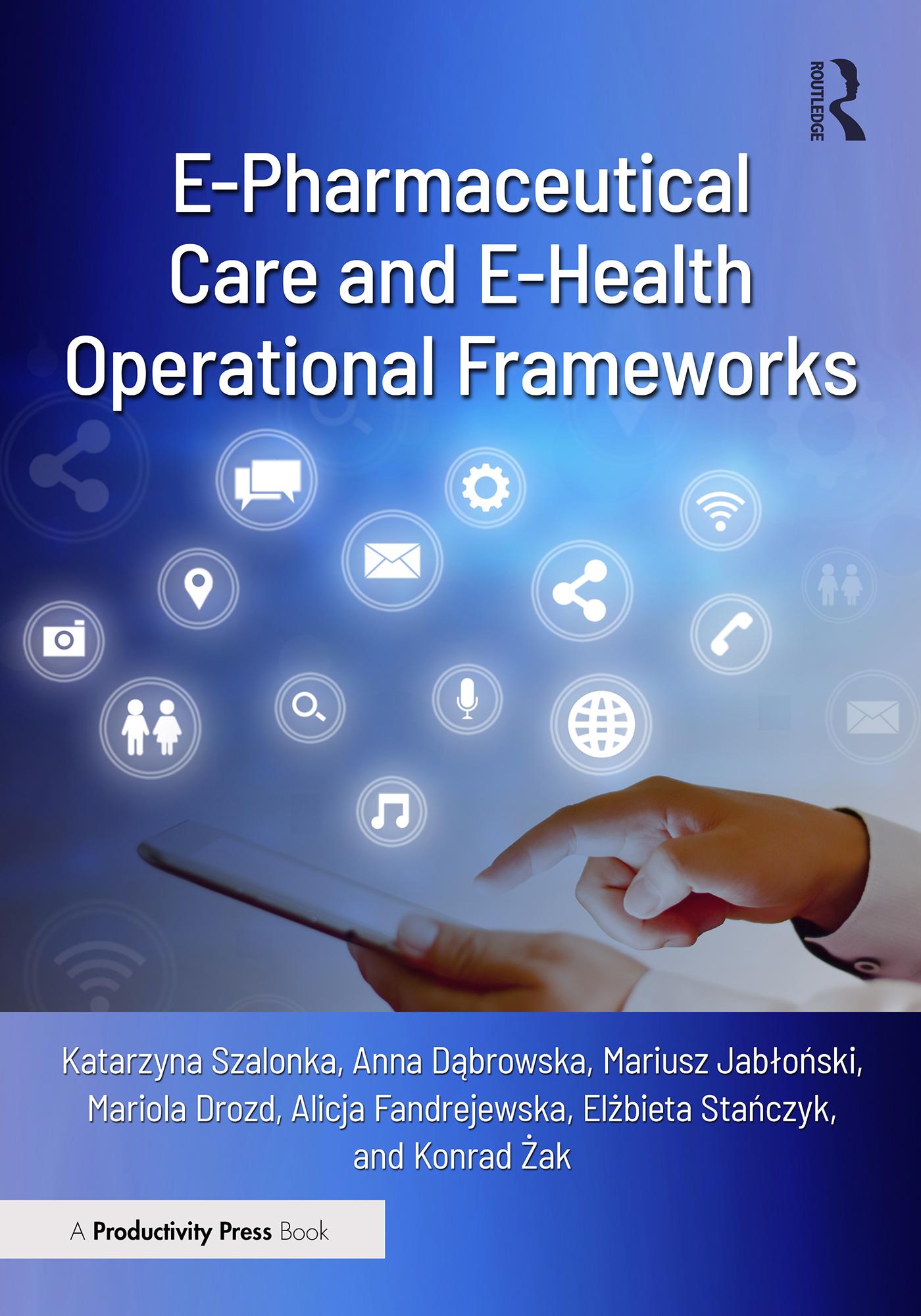
This book aims to explore the potential of e- Health tools in revolutionizing healthcare services.
Through an in-depth analysis, the authors showcase tools already functioning in the market and those expected to be implemented soon. Furthermore, the authors focus on e- Health tools that have yet to be adopted due to organizational and mental barriers on the part of their potential users, medical and pharmaceutical practitioners, patients and consumers. Drawing insights from surveys conducted among medical professionals, pharmaceutical staff and patients, the authors examine the awareness of medical practitioners and patients of the usability, necessity and benefits of these IT tools. It is important to indicate that no country has fully integrated e-Health systems into its healthcare infrastructure. Through their research, the authors present useful tools by analyzing the barriers that have hindered their implementation. This book also presents legal regulations aimed to establish systemic responsibilities for entities within the medical and pharmaceutical sectors and safeguard the sensitive data stored and processed within these systems. This book also explores cutting-edge technologies that ensure the safety of treatment and pharmacotherapy. These technologies empower healthcare providers to deliver interactive, health-promoting materials to patients based on the latest medical and pharmaceutical knowledge. By equipping patients with accurate information about their conditions and medication regimens, these tools mitigate the risks associated with misinformation sourced from unreliable outlets, thus fostering informed decision-making in healthcare. This book outlines a comprehensive model for synchronizing e-Health tools, designed to improve the quality of medical services by engaging all stakeholders in the healthcare ecosystem – including those involved in medical services, diagnostics, dietetics, physiotherapy and pharmacy. The data analysis includes the advantages and potential risks for healthcare providers and patients. Finally, this book aims to present a digitization model that would bring individual healthcare providers together, and as a result, improve the quality of services, reduce diagnosis times, and leverage artificial intelligence (AI)-based solutions for disease diagnosis.
Paga facilmente con carta, Klarna, Apple Pay o Google Pay. Non sei soddisfatto? Hai sempre 14 giorni per il rimborso. Leggi di più nei nostri termini. Per qualsiasi domanda, scrivici a hello@memmo.org.
Memmo rende lo studio più facile, ovunque tu sia nel mondo. Qui trovi i tuoi libri di testo e strumenti di studio intelligenti, tutto in un unico posto: riassunti, quiz, podcast e flashcard. E poi c'è Ted, il tuo compagno di studio che risponde a ogni tua domanda. Oltre 50.000 studenti studiano già qui: è stato creato per aiutarti a imparare più velocemente e a stressarti meno.