
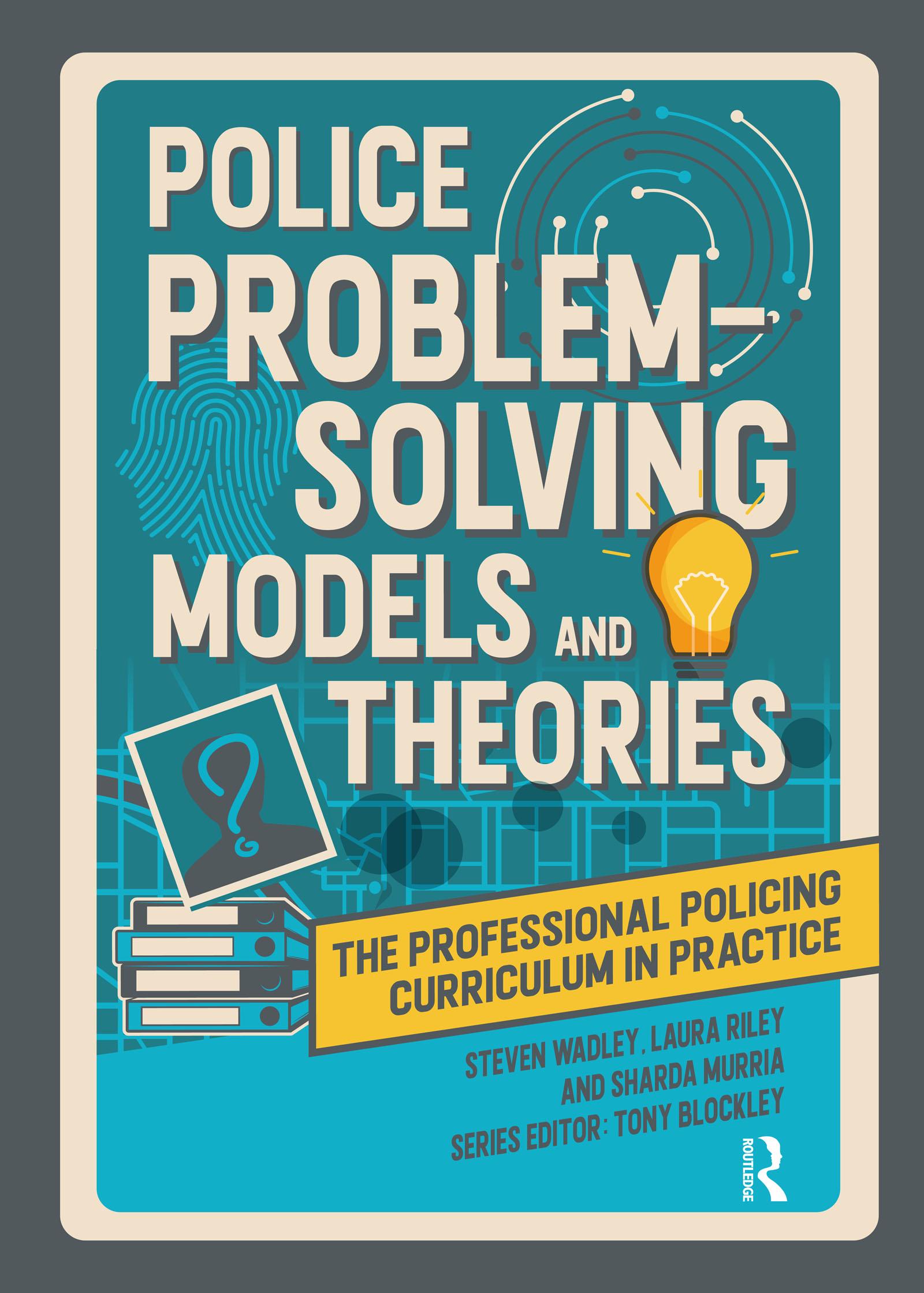
Addresses the policing models and concepts which underpin officers' daily decision making. It clearly relates theory to practice and promotes transferrable skills including critical thinking and case study analysis.
This book offers the reader a comprehensive understanding of problem-solving models and policing theory. The approach bridges the gap between academic understanding and practical considerations, and situates police decision making within ethical frameworks adopted by police services in England and Wales. It also draws attention to the legislation which underpins the context of problem solving and the policies which inform this. Models are discussed in relation to theoretical underpinnings and implementation is examined through policy and legislation, historical success and limitations.
Critical thinking is a must for all police officers present and future and, as such, readers are challenged to consider decision making and the impact of their choices for both themselves as police officers and the wider community that they will go on to serve. Chapters cover neighbourhood, 'hot spot' and predictive policing, rational choice theory, situational crime prevention and partnership working. Readers can benefit from reading the text cover to cover to gain a developing understanding of the topic, or they can use it to reference key principles and ideas.
This text is part of the Professional Policing Curriculum in Practice series.
Paga facilmente con carta, Klarna, Apple Pay o Google Pay. Non sei soddisfatto? Hai sempre 14 giorni per il rimborso. Leggi di più nei nostri termini. Per qualsiasi domanda, scrivici a hello@memmo.org.
Memmo rende lo studio più facile, ovunque tu sia nel mondo. Qui trovi i tuoi libri di testo e strumenti di studio intelligenti, tutto in un unico posto: riassunti, quiz, podcast e flashcard. E poi c'è Ted, il tuo compagno di studio che risponde a ogni tua domanda. Oltre 50.000 studenti studiano già qui: è stato creato per aiutarti a imparare più velocemente e a stressarti meno.