
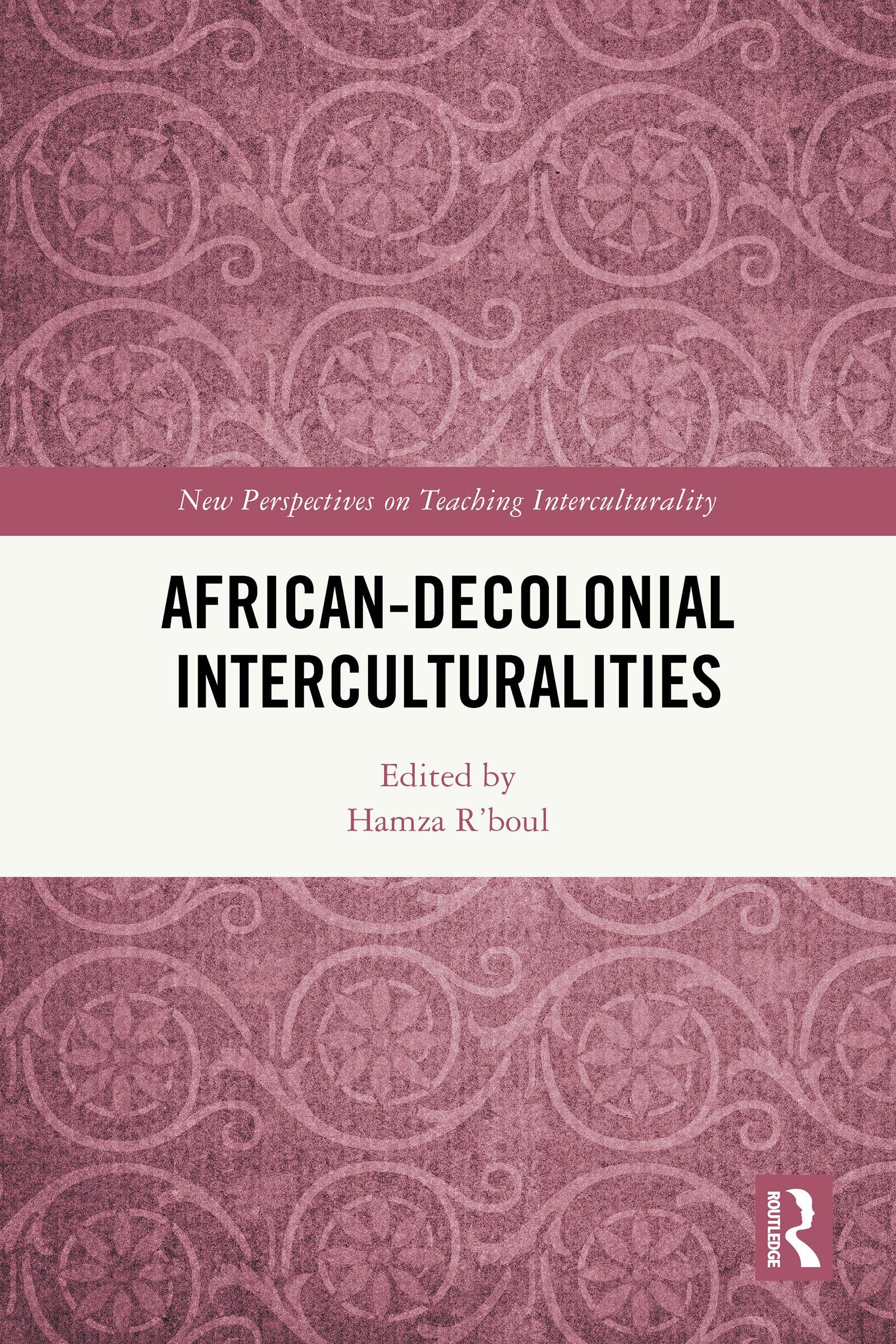
This groundbreaking book brings together scholars to explore African epistemologies as underrepresented and misrepresented sociologies of knowledge in interculturality research, challenging dominant narratives and promoting epistemic justice.
The volume affirms the validity of African perspectives based on their originality and non-derivativeness rather than their status of invisibility. It contributes to a critical reflection on how African spheres and epistemologies can be represented and ultimately understood as homogeneous entities, denying the particularities of their situated acts and processes of knowing. The contributors argue that (a) theorizing and practicing interculturality otherwise requires 'looking elsewhere' by foregrounding knowledge from spheres often marginalized by dominant mainstream discourses; (b) African stories, discourses, and epistemologies are crucial for enunciating interculturality through innovative and original knowledge and thus advancing the field. The book aims to promote diverse African interculturalities, strengthen alternative theorization methods, and position interculturality as a theory of hermeneutics and liberation that African people can draw upon to navigate and understand their own and others’ experiences.
This book will be essential read for scholars and students of intercultural communication, sociology, African studies, and philosophy.
Paga facilmente con carta, Klarna, Apple Pay o Google Pay. Non sei soddisfatto? Hai sempre 14 giorni per il rimborso. Leggi di più nei nostri termini. Per qualsiasi domanda, scrivici a hello@memmo.org.
Memmo rende lo studio più facile, ovunque tu sia nel mondo. Qui trovi i tuoi libri di testo e strumenti di studio intelligenti, tutto in un unico posto: riassunti, quiz, podcast e flashcard. E poi c'è Ted, il tuo compagno di studio che risponde a ogni tua domanda. Oltre 50.000 studenti studiano già qui: è stato creato per aiutarti a imparare più velocemente e a stressarti meno.