
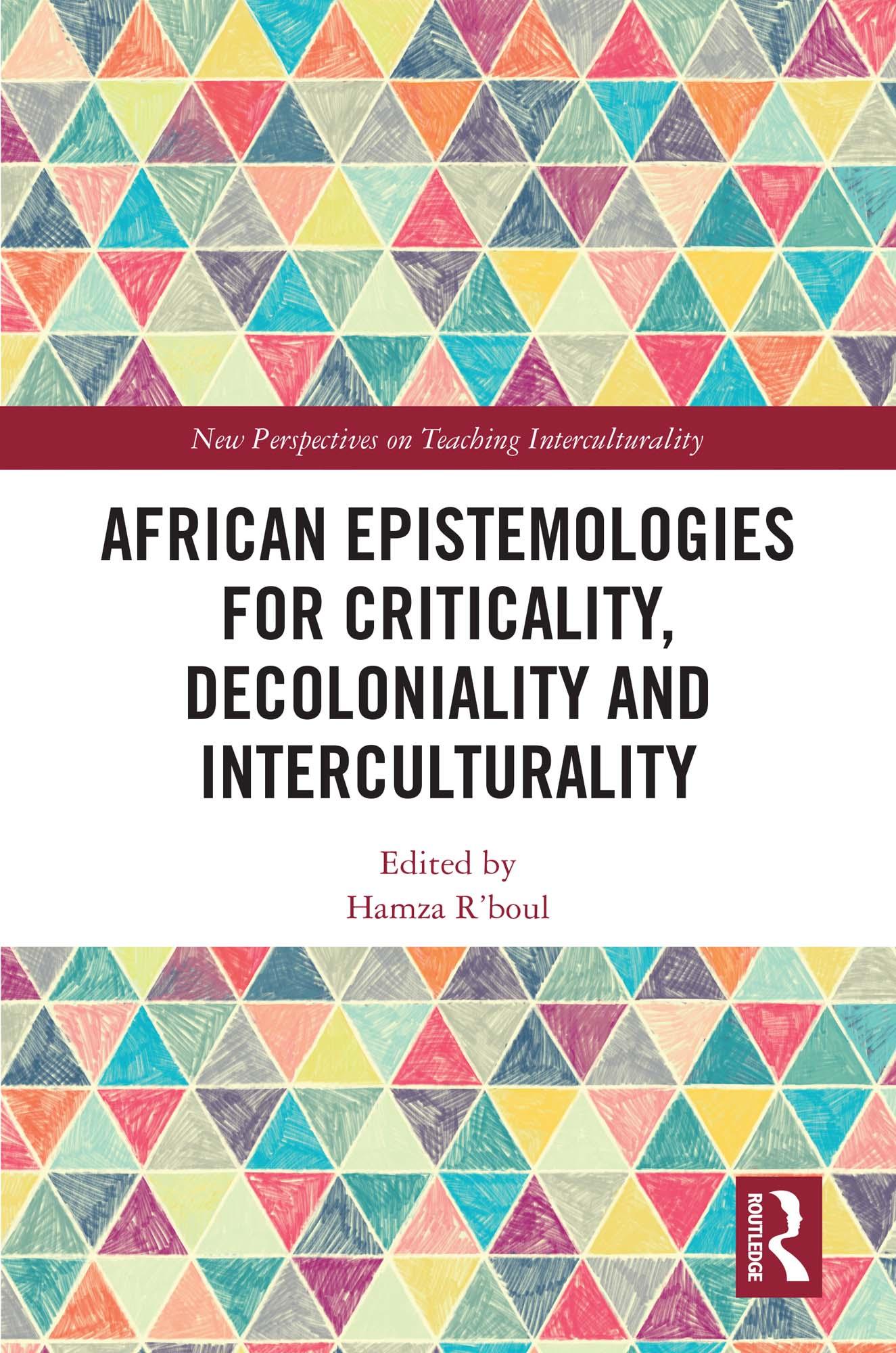
This book addresses the underrepresentation and, more importantly, the misrepresentation of African epistemologies and traditions of thought in making sense of, theorizing, and doing interculturality.
Africa remains (probably) the most oppressed and silenced sphere throughout centuries of colonialism and contemporary coloniality. Therefore, such an anthology provides a platform for those insights that have substantial epistemic capacity to alter our taken‑for‑granted notions of what interculturality is and what it is about. While a number of works have charted the contributions of African epistemologies in advancing our understanding of our intercultural realities, this book argues that the processes of decoloniality through and within interculturality have never been about (under) (mis)representation per se, but about how the politics of representation can provide inaccurate, tokenistic, and false inclusion. This book aims to substantiate the notion that decoloniality and interculturality are mutually inclusive, to demonstrate the affordances of African epistemologies in advancing intercultural knowledge, and to support the need to make visible philosophical and power‑literate approaches to interculturality.
This book will be essential reading for scholars and students interested in African philosophy, African epistemology, and, more broadly, interculturality and intercultural communication.
Paga facilmente con carta, Klarna, Apple Pay o Google Pay. Non sei soddisfatto? Hai sempre 14 giorni per il rimborso. Leggi di più nei nostri termini. Per qualsiasi domanda, scrivici a hello@memmo.org.
Memmo rende lo studio più facile, ovunque tu sia nel mondo. Qui trovi i tuoi libri di testo e strumenti di studio intelligenti, tutto in un unico posto: riassunti, quiz, podcast e flashcard. E poi c'è Ted, il tuo compagno di studio che risponde a ogni tua domanda. Oltre 50.000 studenti studiano già qui: è stato creato per aiutarti a imparare più velocemente e a stressarti meno.