
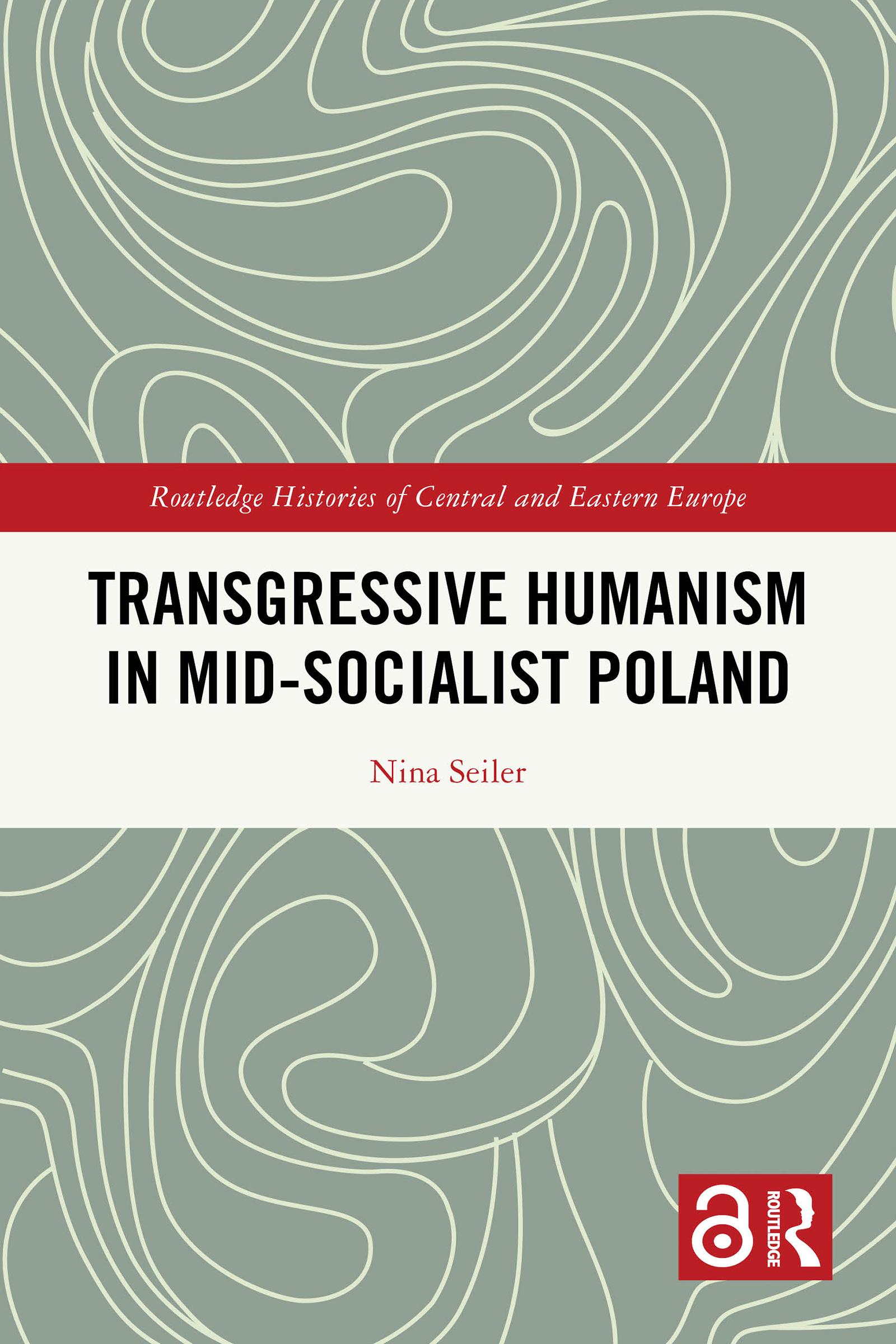
This book focuses on the often-overlooked middle period of socialism in 20th-century Poland, tracing the transgressive variations of humanist thought that emerged as forms of resistance amid the intellectual crisis of the late 1960s and early 1970s.
It analyses how an upsurge in anti-Semitism and discourses of exclusion in the period stimulated environmental explorations beyond the hegemonic notion of the human subject and humanity. Readers will find a synthetic analysis not only of the atmosphere of the mid-socialist period, but also of fragmented, decentred, and marginalised phenomena in film, literature, theory, and theatre, in which transgressive moments in well-known work such as the theatre of Tadeusz Kantor, Stanisław Lem’s writing, Maria Janion’s cultural studies, or Jerzy Skolimowski’s early films feature alongside artistic output that was never broadly known or is mostly forgotten now. By acknowledging the specificities of transgressive humanism in socialist Poland, the book enriches post-anthropocentric theory with a distinct perspective from the so-called semi-periphery.
The volume is relevant for scholars of post-humanist studies, the history of knowledge, studies on socialist Europe and Polish studies.
Paga facilmente con carta, Klarna, Apple Pay o Google Pay. Non sei soddisfatto? Hai sempre 14 giorni per il rimborso. Leggi di più nei nostri termini. Per qualsiasi domanda, scrivici a hello@memmo.org.
Memmo rende lo studio più facile, ovunque tu sia nel mondo. Qui trovi i tuoi libri di testo e strumenti di studio intelligenti, tutto in un unico posto: riassunti, quiz, podcast e flashcard. E poi c'è Ted, il tuo compagno di studio che risponde a ogni tua domanda. Oltre 50.000 studenti studiano già qui: è stato creato per aiutarti a imparare più velocemente e a stressarti meno.