
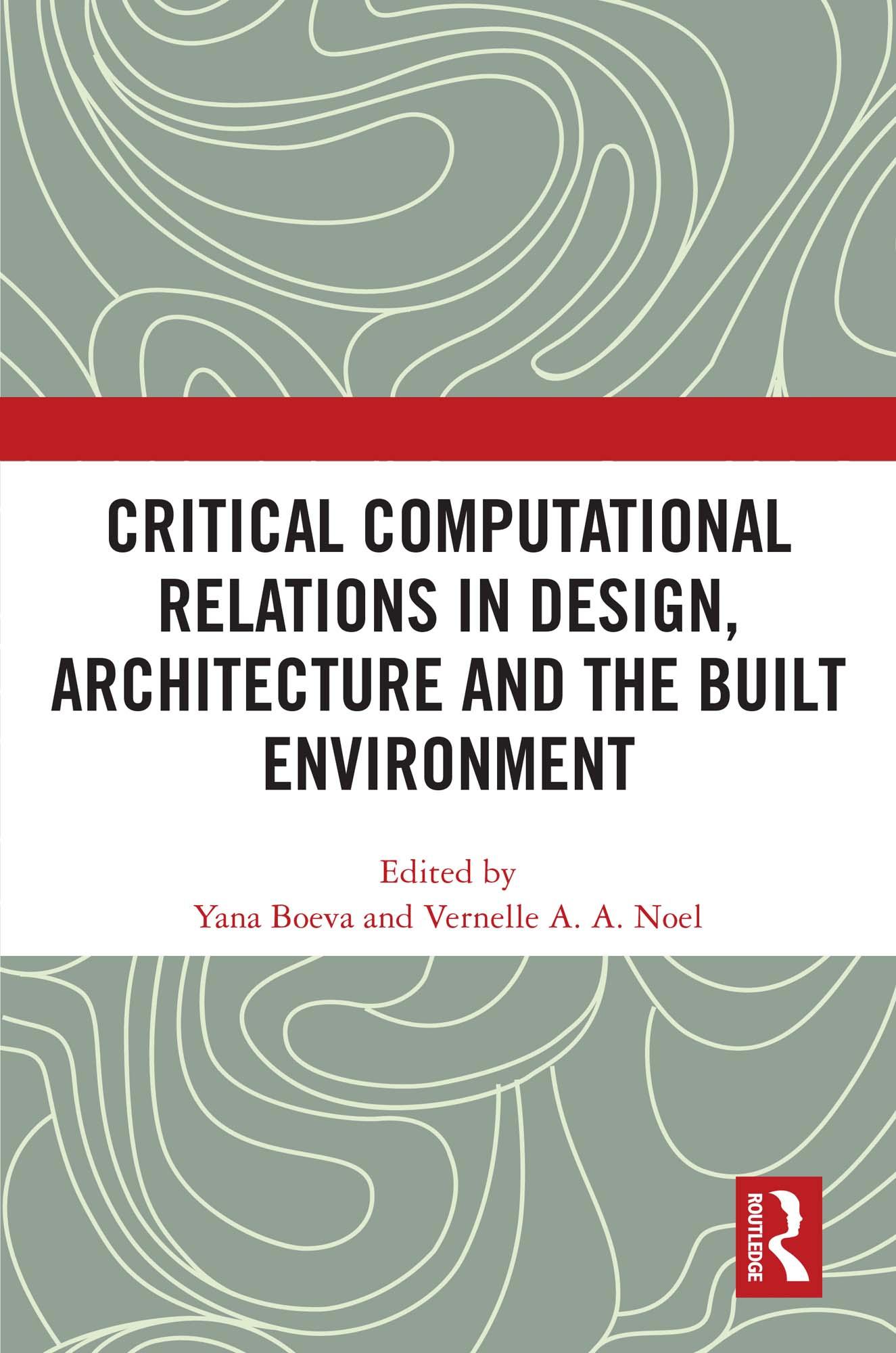
This book delves into the power relations between computational practices, technology infrastructures, knowledge, and their reproductions of bias in design at multiple scales. It provides critical perspectives and insights on how computation intersects with architecture, design, the built environment, and society.
Computational practices, tools and methods in design, architecture, and the built environment, frequently offer technocentric solutions to design problems. Portrayed as mere tools that are "neutral" and "optimized", these technological infrastructures mask social, political, and environmental entanglements involved in their creation and expansion as well as the power of software monopolies and technology providers.
The six contributions to this volume provide critical perspectives and insights on how computation intersects with architecture, design, the built environment, and society. The chapters cover diverse topics such as data practices for design simulations, machine learning (ML) and digital humanities methods for digital heritage, a computationally-aided exploration of ideologies of digital architecture, embodied and craft practice for digital fabrication, feminist hacking practices challenging heteronormative values in digital urban design, and post-disciplinary pedagogies for computational design.
The book will be of interest to researchers, students and practitioners in the fields of architecture, built environment, computational design, science and technology studies, and sociology. The chapters in this book were originally published in Digital Creativity.
Paga facilmente con carta, Klarna, Apple Pay o Google Pay. Non sei soddisfatto? Hai sempre 14 giorni per il rimborso. Leggi di più nei nostri termini. Per qualsiasi domanda, scrivici a hello@memmo.org.
Memmo rende lo studio più facile, ovunque tu sia nel mondo. Qui trovi i tuoi libri di testo e strumenti di studio intelligenti, tutto in un unico posto: riassunti, quiz, podcast e flashcard. E poi c'è Ted, il tuo compagno di studio che risponde a ogni tua domanda. Oltre 50.000 studenti studiano già qui: è stato creato per aiutarti a imparare più velocemente e a stressarti meno.