
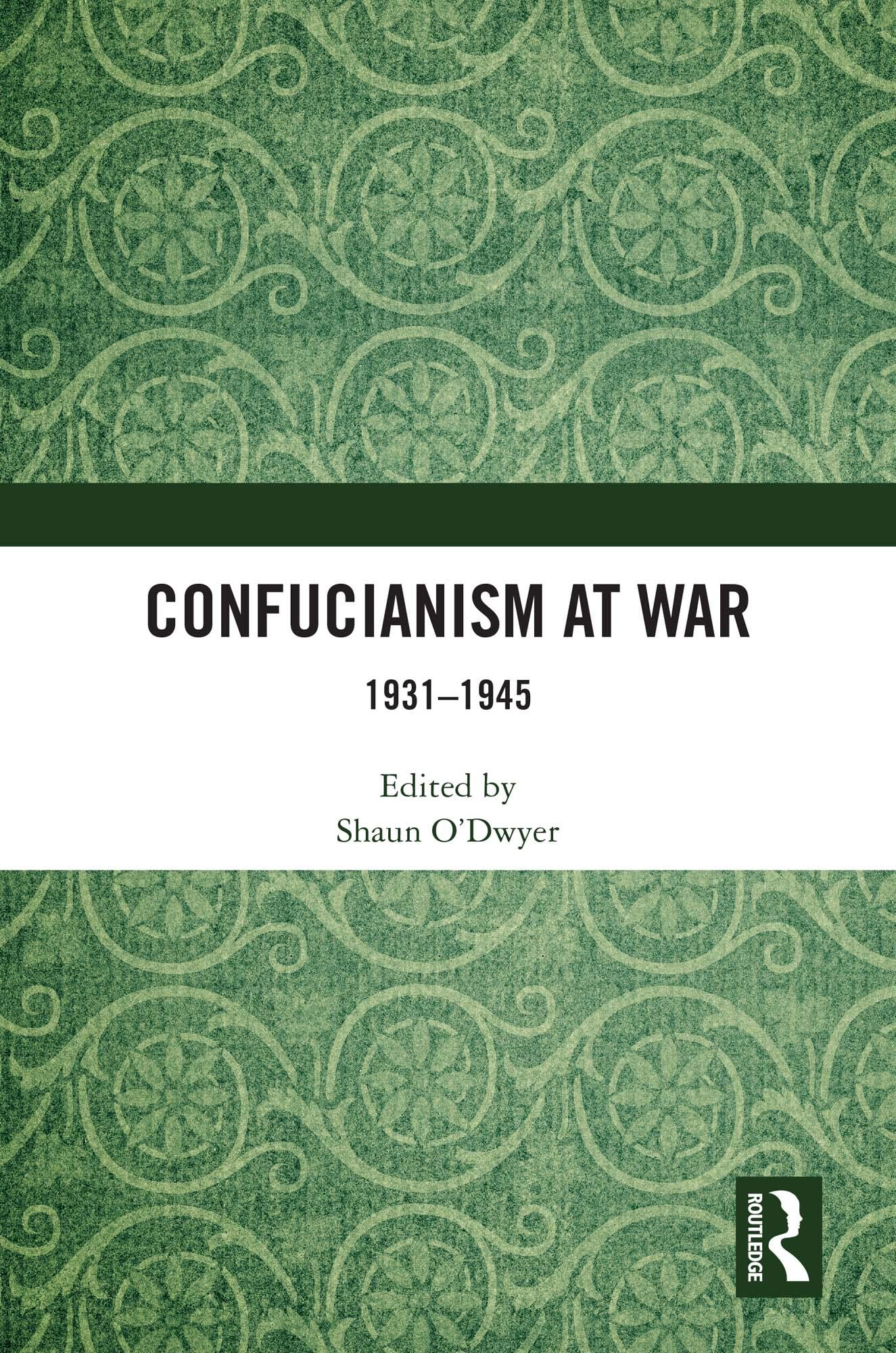
This is the first book-length study of wartime Confucianism in any language, providing new insights into key developments in Confucian thought and ideology in East Asia in the 1930s and 1940s.
In standard scholarship on the ideologies driving nation-building and imperialism during the era of Japanese expansionism that began in 1931, Confucianism is rarely referenced and relegated to the background. This volume brings together the work of scholars who argue for a revision of this standard view. It includes studies of Japanese, Chinese, colonial Manchurian, and Korean intellectuals and reformers who contributed to expansionist, collaborationist, or nationalist ideology-building during the war. Contrary to the assumption that Confucianism was an anachronism rendered irrelevant by the Westernizing political reforms and revolutions of the early twentieth century, the chapters in this book show that Confucianism remained a potent and also contested cultural resource for promoting national cohesion, war mobilization and expansionism in East Asia between the Japanese invasion of Manchuria in 1931 and the end of World War II in 1945.
This book will appeal to scholars and students of Asian studies, nationalism studies, postcolonial studies, religious studies, and philosophy. In particular, it is essential reading for those interested in nationalism and modern Confucian thought in East Asia.
Paga facilmente con carta, Klarna, Apple Pay o Google Pay. Non sei soddisfatto? Hai sempre 14 giorni per il rimborso. Leggi di più nei nostri termini. Per qualsiasi domanda, scrivici a hello@memmo.org.
Memmo rende lo studio più facile, ovunque tu sia nel mondo. Qui trovi i tuoi libri di testo e strumenti di studio intelligenti, tutto in un unico posto: riassunti, quiz, podcast e flashcard. E poi c'è Ted, il tuo compagno di studio che risponde a ogni tua domanda. Oltre 50.000 studenti studiano già qui: è stato creato per aiutarti a imparare più velocemente e a stressarti meno.