
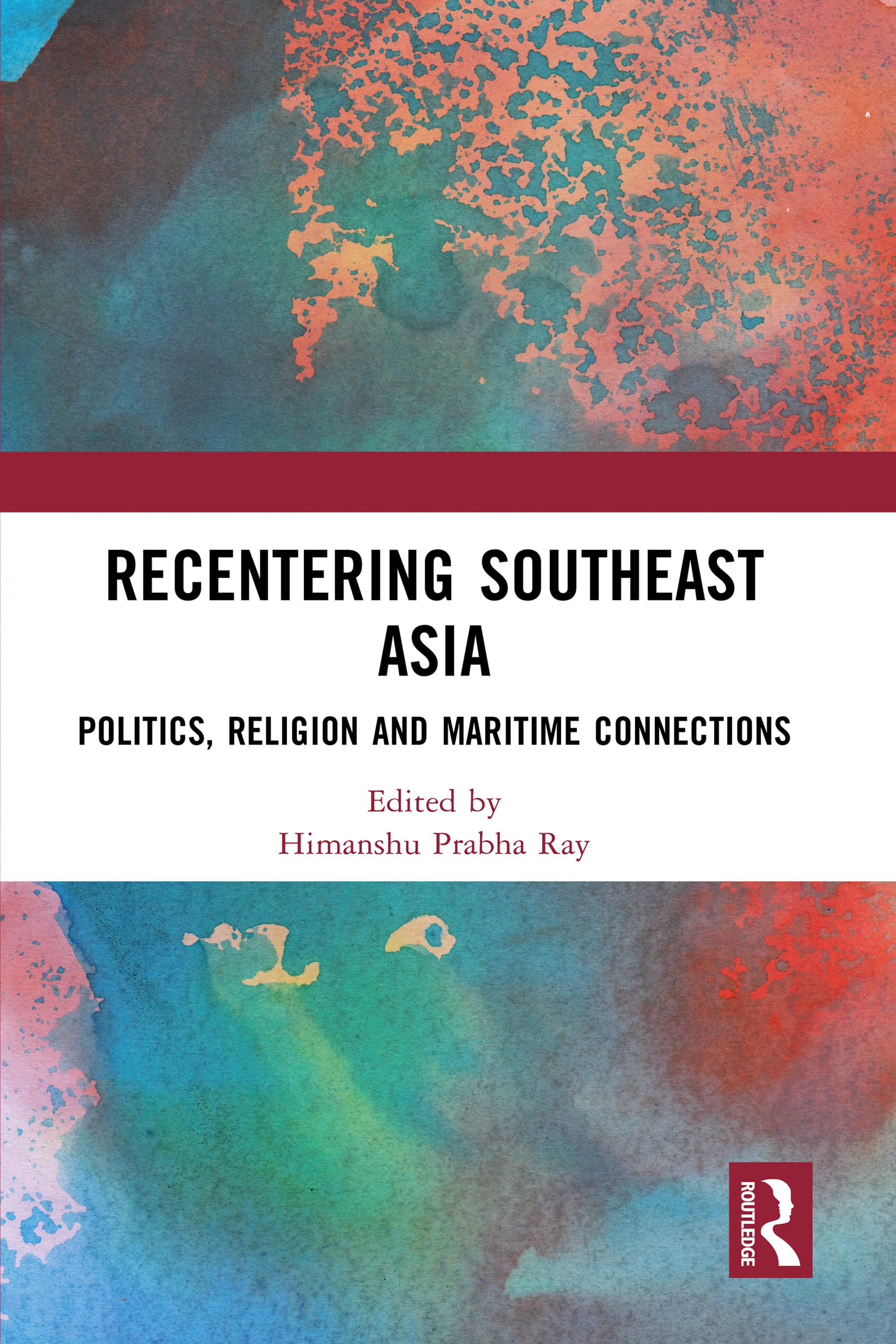
This book assesses the impact of European colonization in the late 19th and early 20th century in ‘restructuring’ the shared past of India and Southeast Asia. It provides case studies that transcend colonial constructs and adopt newer approaches to understanding the shared past. The authors explore these developments through the lens of political figures like Jawaharlal Nehru (1889–1964) and re-examine themes such as the Greater India Society (1926–1959) established in Calcutta, and the role of Buddhism in post-World War II connections, as the repatriation of the mortal remains of Japanese soldiers killed in Burma (Myanmar) acquired urgency.
Drawing on a diverse range of sources including archaeology, Buddhist texts, the afterlives of the Hindu temples, maritime networks, and inscriptions from Vietnam and central India, the book will be an essential read for scholars and researchers of history, Buddhism, archaeology, heritage studies, cultural studies, and political history as well as South and Southeast Asian history.
Paga facilmente con carta, Klarna, Apple Pay o Google Pay. Non sei soddisfatto? Hai sempre 14 giorni per il rimborso. Leggi di più nei nostri termini. Per qualsiasi domanda, scrivici a hello@memmo.org.
Memmo rende lo studio più facile, ovunque tu sia nel mondo. Qui trovi i tuoi libri di testo e strumenti di studio intelligenti, tutto in un unico posto: riassunti, quiz, podcast e flashcard. E poi c'è Ted, il tuo compagno di studio che risponde a ogni tua domanda. Oltre 50.000 studenti studiano già qui: è stato creato per aiutarti a imparare più velocemente e a stressarti meno.