
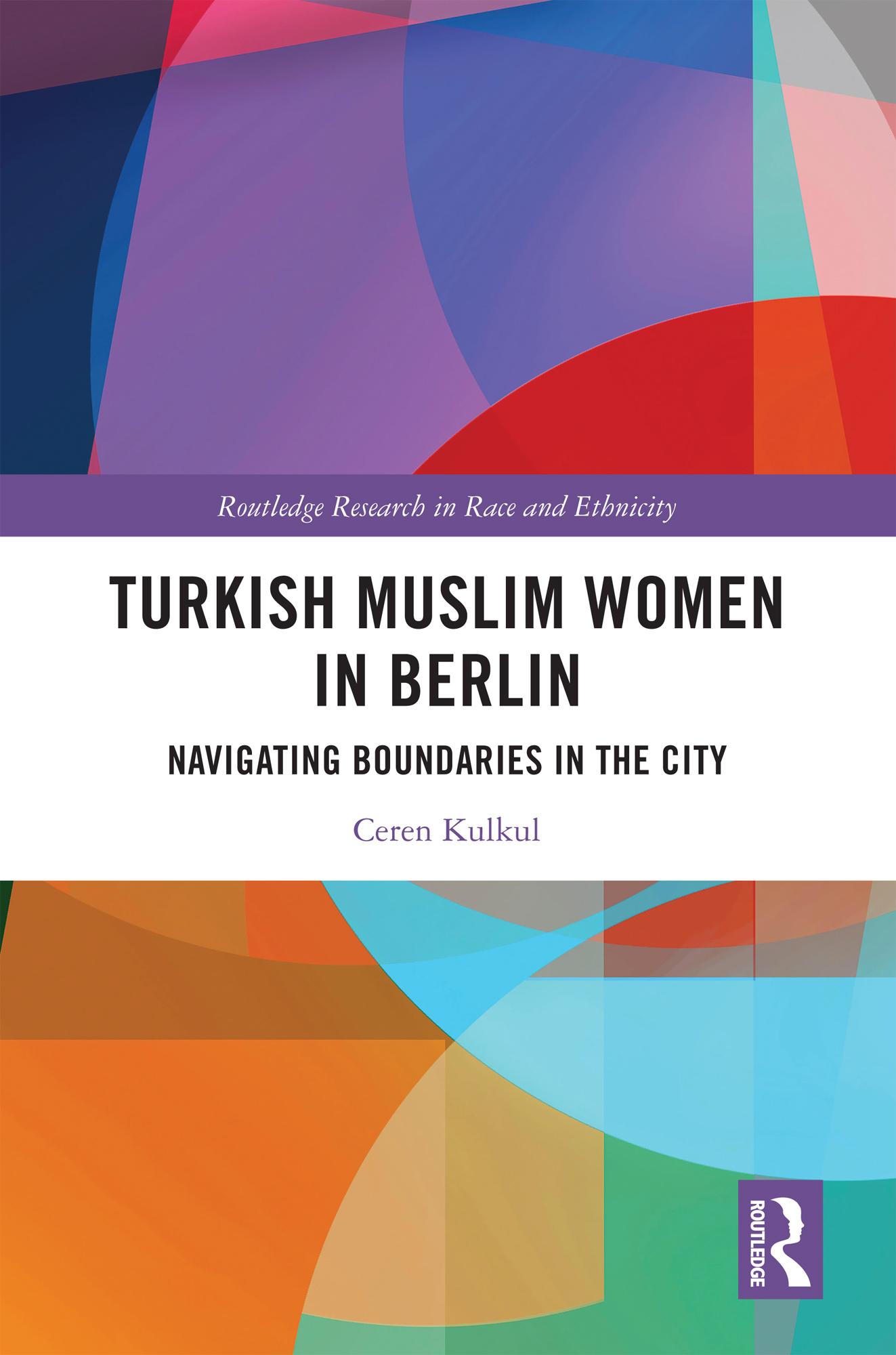
Kulkul presents her ethnographic work with Turkish Muslim women in Berlin as evidence that community is not an entity but is produced by instrumentalizing specific forms of identification and boundary-making.
In examining the role of community in the case of her participants, Kulkul finds that religion and culture are important not for the values they perpetuate, but for their role in forming and sustaining the community. She looks at the importance of boundaries and especially their reciprocity. Social boundaries are a set of codes of exclusion often used against migrants and refugees, while symbolic boundaries are typically understood as the way one defines one’s own group. Kulkul argues that these two types of boundaries tend to trigger each other and thus be mutually reinforcing. At the same time, she presents a picture of everyday life from the perspective of migrants and the children of migrants in a cosmopolitan European city – Berlin.
A valuable read for scholars of migration and culture, which will especially interest scholars focused on Europe.
Paga facilmente con carta, Klarna, Apple Pay o Google Pay. Non sei soddisfatto? Hai sempre 14 giorni per il rimborso. Leggi di più nei nostri termini. Per qualsiasi domanda, scrivici a hello@memmo.org.
Memmo rende lo studio più facile, ovunque tu sia nel mondo. Qui trovi i tuoi libri di testo e strumenti di studio intelligenti, tutto in un unico posto: riassunti, quiz, podcast e flashcard. E poi c'è Ted, il tuo compagno di studio che risponde a ogni tua domanda. Oltre 50.000 studenti studiano già qui: è stato creato per aiutarti a imparare più velocemente e a stressarti meno.