
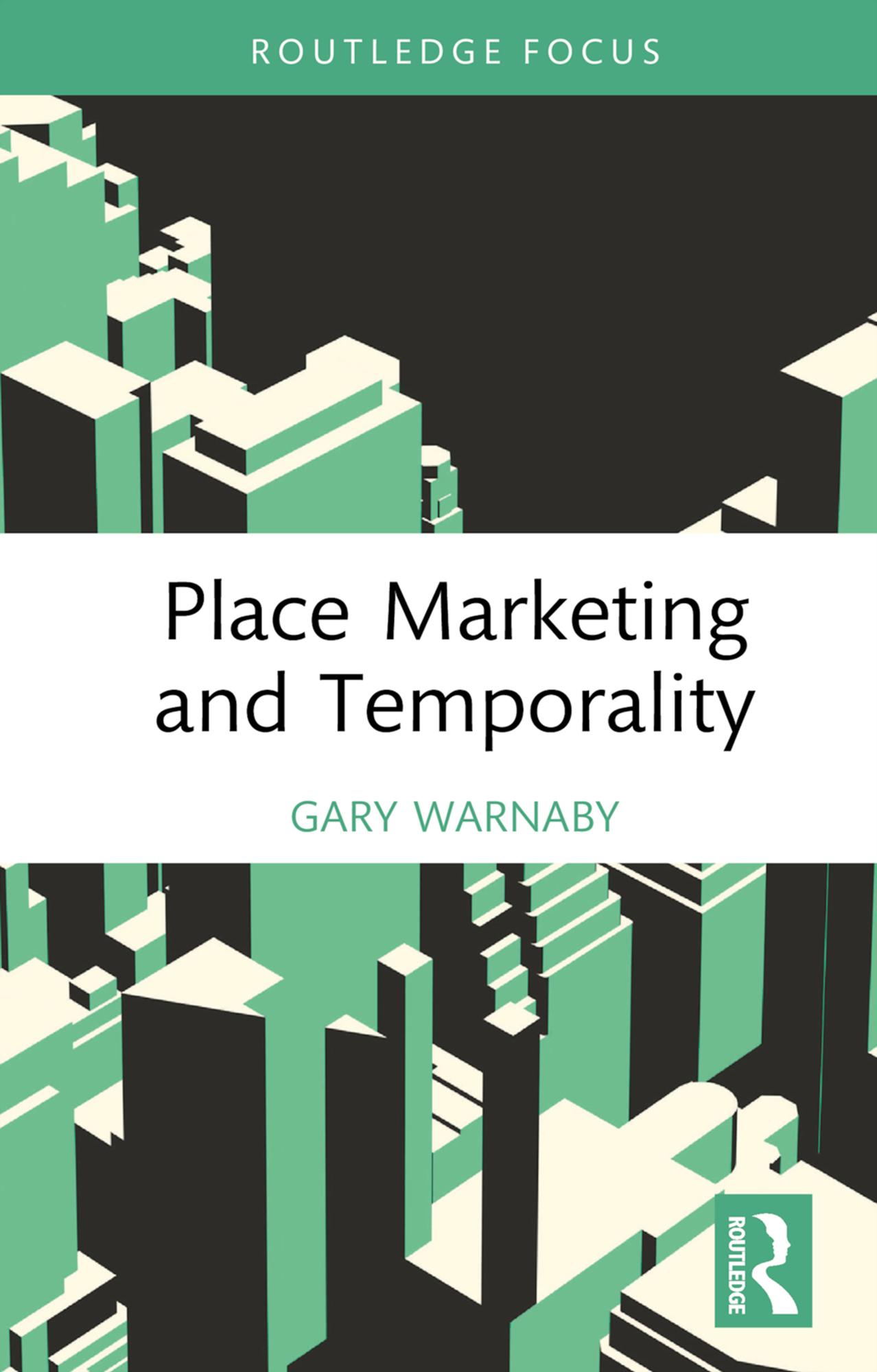
Much city marketing and branding activity is future-oriented; aimed at achieving a forward-looking vision for places. The aim of this activity is to attract visitors, residents and/or inward investment, and focus on communicating attractive place attributes to create a differentiated spatial ‘product’ that will appeal to particular target audiences. In seeking to achieve this, place marketing campaigns have been criticized for emphasizing generic attributes, such as accessibility, infrastructure and a skilled workforce—which can serve to homogenize places which in reality are very different. However, a city’s distinctive character is a consequence of its history and development over time, and this book analyses the role of these temporal dimensions in place marketing and branding. The book analyses how the past—both material (i.e. the historic built environment) and intangible (i.e. routines, practices and the ‘character’ of the populace)—is appropriated, in order to ‘sell’ the city into the future. It acknowledges the inherent selectivity involved and discusses the factors influencing what is remembered from the past—and equally importantly, what is forgotten. Adopting a range of theoretical approaches to understanding temporality in this context, the book will appeal to advanced students, academic researchers and reflexive place branding practitioners by introducing a ‘temporal paradox’ incorporating both fixity (the material and immaterial elements of the city’s past) and fluidity (relating to the creation of the place product as a dynamic assemblage of individual elements and attributes aimed at particular target audiences).
Paga facilmente con carta, Klarna, Apple Pay o Google Pay. Non sei soddisfatto? Hai sempre 14 giorni per il rimborso. Leggi di più nei nostri termini. Per qualsiasi domanda, scrivici a hello@memmo.org.
Memmo rende lo studio più facile, ovunque tu sia nel mondo. Qui trovi i tuoi libri di testo e strumenti di studio intelligenti, tutto in un unico posto: riassunti, quiz, podcast e flashcard. E poi c'è Ted, il tuo compagno di studio che risponde a ogni tua domanda. Oltre 50.000 studenti studiano già qui: è stato creato per aiutarti a imparare più velocemente e a stressarti meno.