
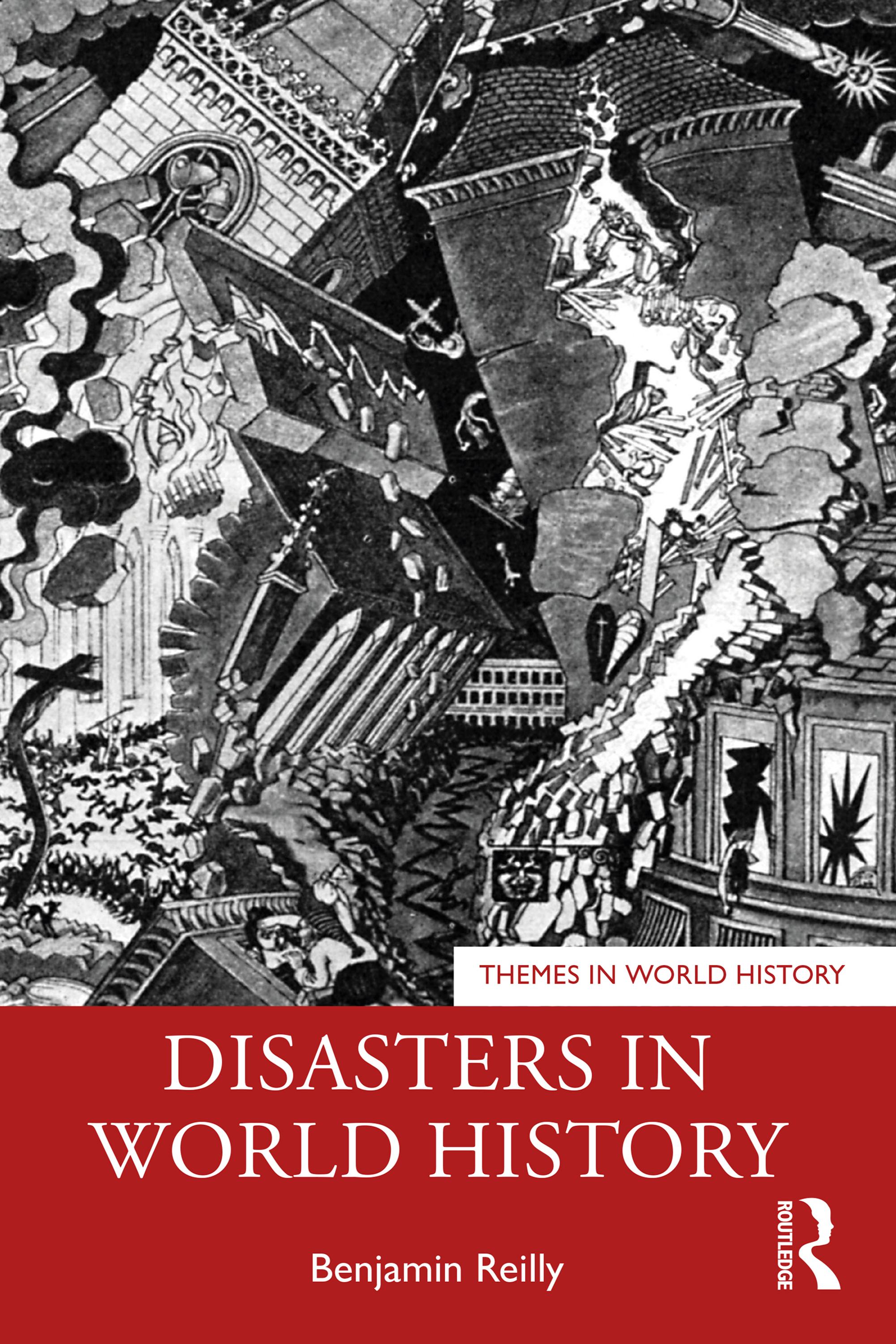
Disasters in World History surveys the development of disaster studies as a discipline as well as presenting historical case studies and theories used by historians to understand disasters. Disasters, here defined as the complex interaction between natural hazards and specific human vulnerabilities, have frequently left a mark on human history. Cataclysms have toppled dynasties, fueled massacres, and shaped the culture of societies frequently affected by natural hazards. This volume fosters understanding of such events by considering both social science theory and the natural science concepts relevant to disaster studies. In addition, the text makes heavy use of an emerging psychological theory relevant to disaster studies: the behavioral immune system, which helps to explain why xenophobic behavior and even violence often erupt in the aftermath of disasters. Chapters consider specific examples of disasters: earthquakes, tsunamis, volcanic eruptions, climate change (including modern anthropogenic climate change or global warming), and tropical cyclones.
This book is an accessible resource, ideal for undergraduates and instructors in world history, environmental history, and disaster studies courses.
Paga facilmente con carta, Klarna, Apple Pay o Google Pay. Non sei soddisfatto? Hai sempre 14 giorni per il rimborso. Leggi di più nei nostri termini. Per qualsiasi domanda, scrivici a hello@memmo.org.
Memmo rende lo studio più facile, ovunque tu sia nel mondo. Qui trovi i tuoi libri di testo e strumenti di studio intelligenti, tutto in un unico posto: riassunti, quiz, podcast e flashcard. E poi c'è Ted, il tuo compagno di studio che risponde a ogni tua domanda. Oltre 50.000 studenti studiano già qui: è stato creato per aiutarti a imparare più velocemente e a stressarti meno.