
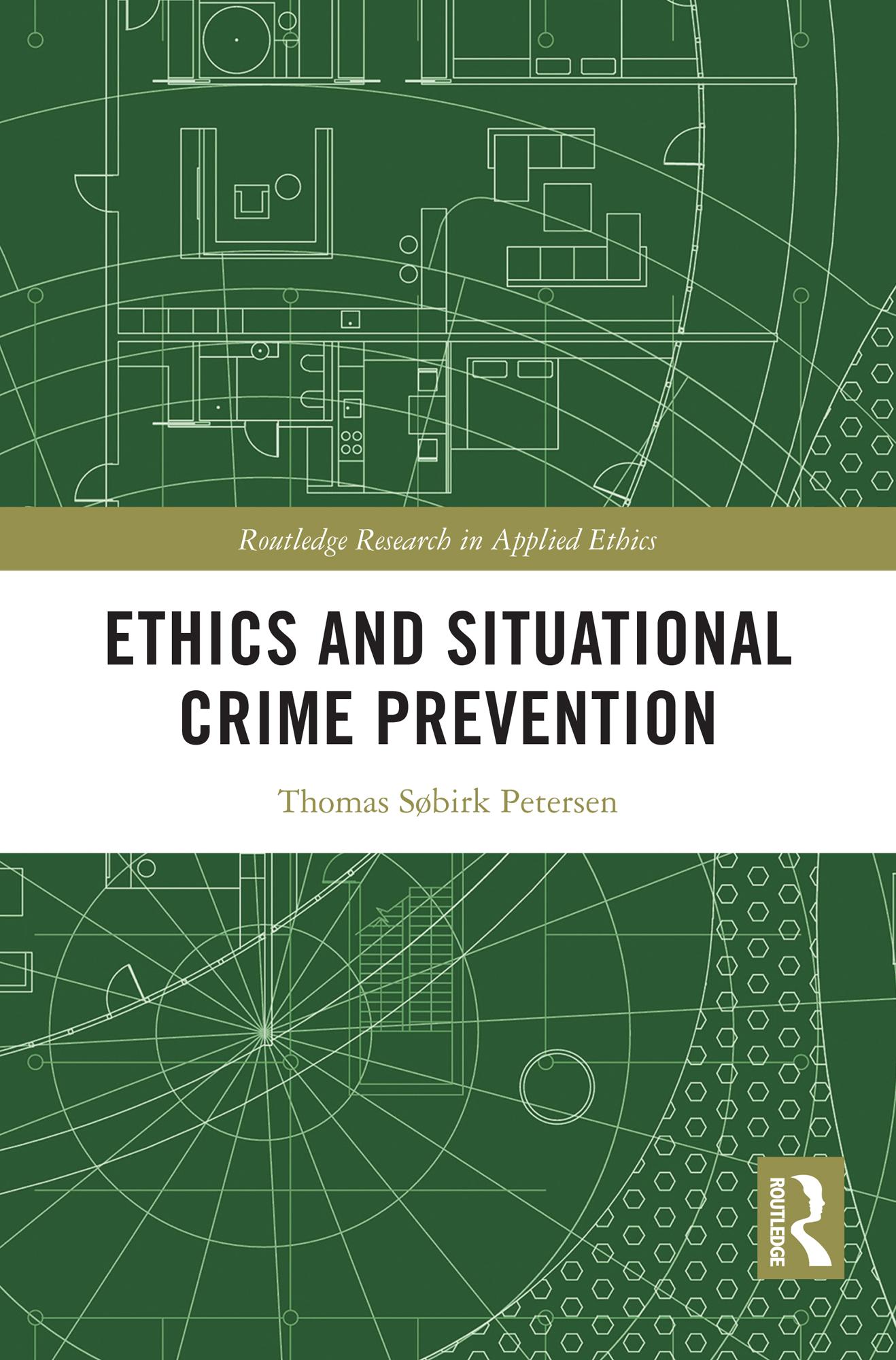
This book addresses the ethics of Situational Crime Prevention (SCP). It seeks not only to analyse specific SCP measures but to demonstrate how ethical analysis can support and improve the implementation of SCP strategies.
In ethically analysing a particular SCP measure, it is not enough to look at empirical data. Even if a measure is effective at preventing crime, it may turn out to be ethically unattractive because it harms more people than it benefits, or because it violates our right to free movement. The book proceeds from the assumption that decision-making about whether we should use SCPs can only be conducted by carefully identifying, clarifying, and critically evaluating the ethical arguments for and against use of the SCP measure in question. The author analyses several SCP strategies that have not been treated in detail in criminology or applied ethics literatures. These SCP strategies include gated communities, excluding people with a criminal record from housing or employment, the use of hostile design in public spaces, and the implementation of intelligent speed adaption in vehicles.
Ethics and Situational Crime Prevention is an essential resource for criminologists, moral philosophers, legal scholars, and social scientists with an interest in crime prevention.
Paga facilmente con carta, Klarna, Apple Pay o Google Pay. Non sei soddisfatto? Hai sempre 14 giorni per il rimborso. Leggi di più nei nostri termini. Per qualsiasi domanda, scrivici a hello@memmo.org.
Memmo rende lo studio più facile, ovunque tu sia nel mondo. Qui trovi i tuoi libri di testo e strumenti di studio intelligenti, tutto in un unico posto: riassunti, quiz, podcast e flashcard. E poi c'è Ted, il tuo compagno di studio che risponde a ogni tua domanda. Oltre 50.000 studenti studiano già qui: è stato creato per aiutarti a imparare più velocemente e a stressarti meno.