
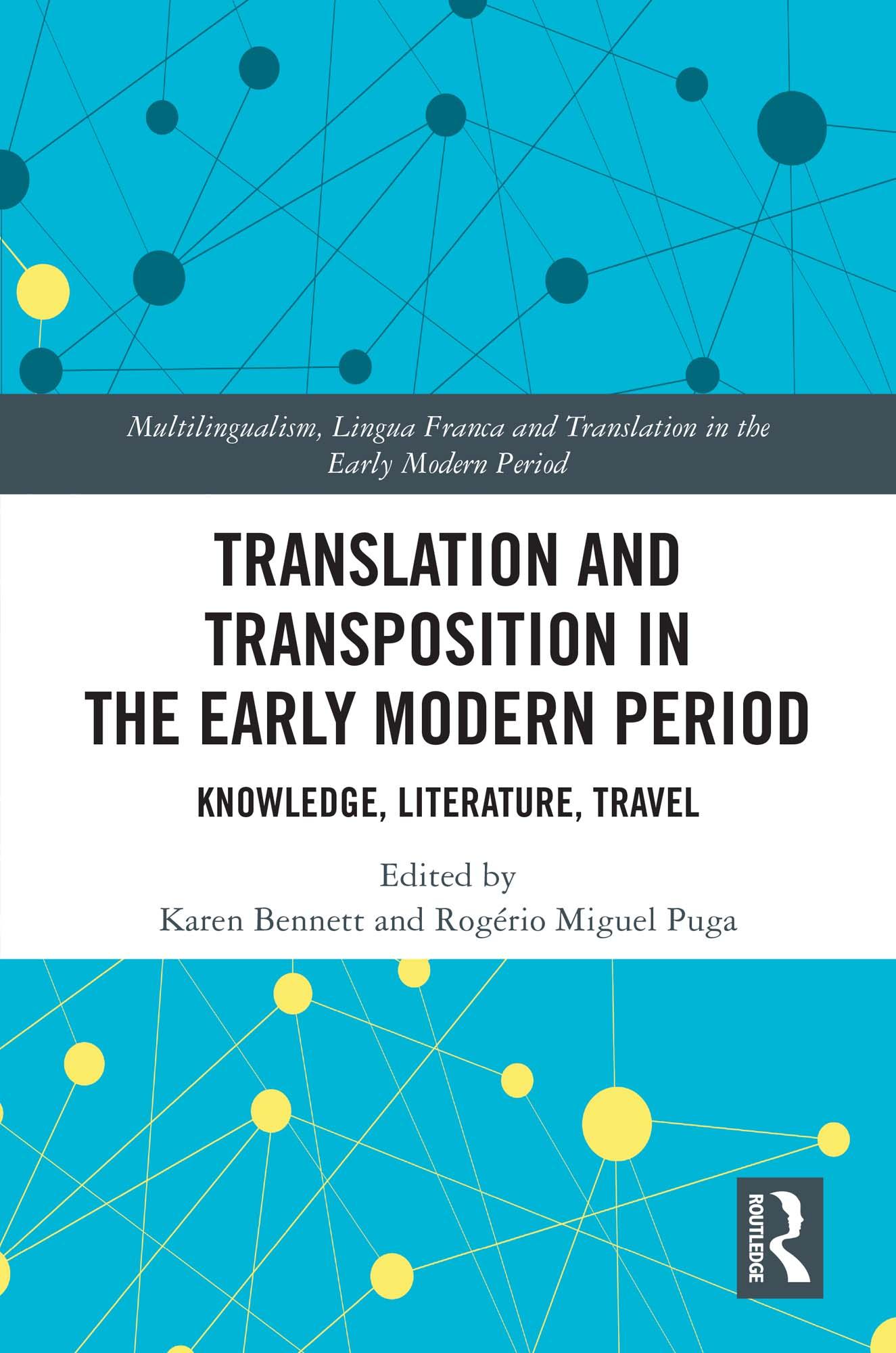
This volume makes an important contribution to the understanding of translation theory and practice in the Early Modern period, focusing on the translation of knowledge, literature and travel writing, and examining discussions about the role of women and office of interpreter.
Over the course of the Early Modern period, there was a dramatic shift in the way that translation was conceptualised, a change that would have repercussions far beyond the world of letters. At the beginning of the period, translation was largely indistinguishable from other textual operations such as exegesis, glossing, paraphrase, commentary, or compilation, and theorists did not yet think in terms of the binaries that would come to characterise modern translation theory. Just how and when this shift occurred in actual translation practice is one of the topics explored in this volume through a series of case studies offering snapshots of translational activity in different times and places. Overall, the picture that emerges is of a translational practice that is still very flexible, as source texts are creatively appropriated for new purposes, whether pragmatic, pedagogical, or diversional, across a range of genres, from science and philosophy to literature, travel writing and language teaching.
This book will be of value to those interested in Early Modern history, linguistics, and translation studies.
Paga facilmente con carta, Klarna, Apple Pay o Google Pay. Non sei soddisfatto? Hai sempre 14 giorni per il rimborso. Leggi di più nei nostri termini. Per qualsiasi domanda, scrivici a hello@memmo.org.
Memmo rende lo studio più facile, ovunque tu sia nel mondo. Qui trovi i tuoi libri di testo e strumenti di studio intelligenti, tutto in un unico posto: riassunti, quiz, podcast e flashcard. E poi c'è Ted, il tuo compagno di studio che risponde a ogni tua domanda. Oltre 50.000 studenti studiano già qui: è stato creato per aiutarti a imparare più velocemente e a stressarti meno.