
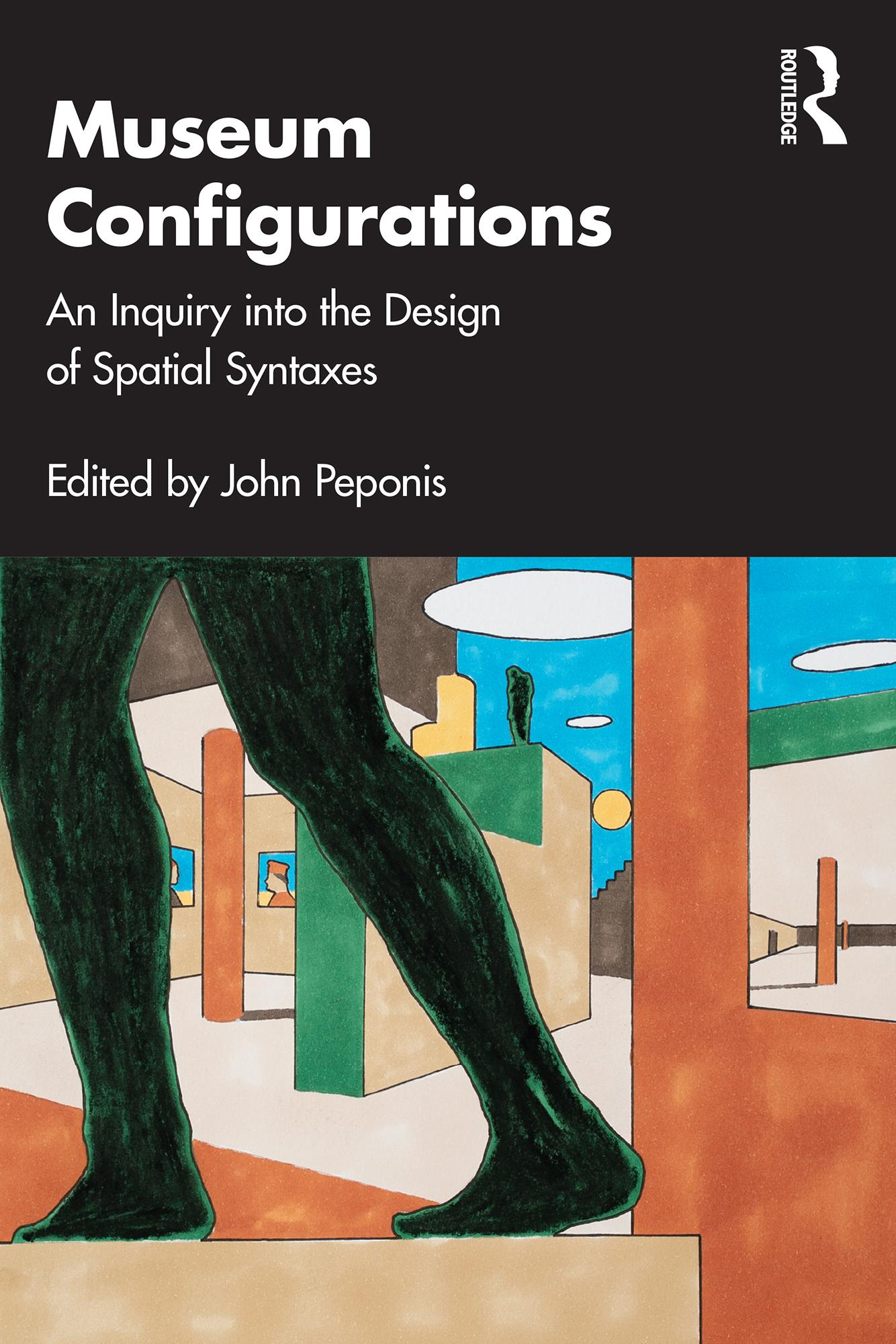
Museum Configurations demonstrates how museum space functions cognitively and communicatively and questions whether it can be designed to provide a rich embodied experience, situating displays and their public in felicitous dialogue.
Including contributions from authors working in the disciplines of architecture, psychology, museum studies, history and the visual arts, this volume addresses an interdisciplinary audience. The analysis of a wealth of examples shows how the voices of architects, curators and exhibition designers enter into dialogue and invite visitors to make their own connections between physical, cognitive and affective space. Considering how the layout of museums facilitates movement and orientation so that visitors may devote their attention to displays, the book questions what kinds of visual attention characterizes museum experiences and how the design of museum space can support them. In the context of an often dematerialized, atomized, and dissipating contemporary culture, the book proposes that museums can function as shared space that supports enjoyment and learning without being overly didactic.
Museum Configurations focuses upon the functions and aims of the design of space. This makes the book particularly interesting to academics and students working in exhibition design and museum architecture, as well as to exhibition designers, curators, and architects.
Paga facilmente con carta, Klarna, Apple Pay o Google Pay. Non sei soddisfatto? Hai sempre 14 giorni per il rimborso. Leggi di più nei nostri termini. Per qualsiasi domanda, scrivici a hello@memmo.org.
Memmo rende lo studio più facile, ovunque tu sia nel mondo. Qui trovi i tuoi libri di testo e strumenti di studio intelligenti, tutto in un unico posto: riassunti, quiz, podcast e flashcard. E poi c'è Ted, il tuo compagno di studio che risponde a ogni tua domanda. Oltre 50.000 studenti studiano già qui: è stato creato per aiutarti a imparare più velocemente e a stressarti meno.