
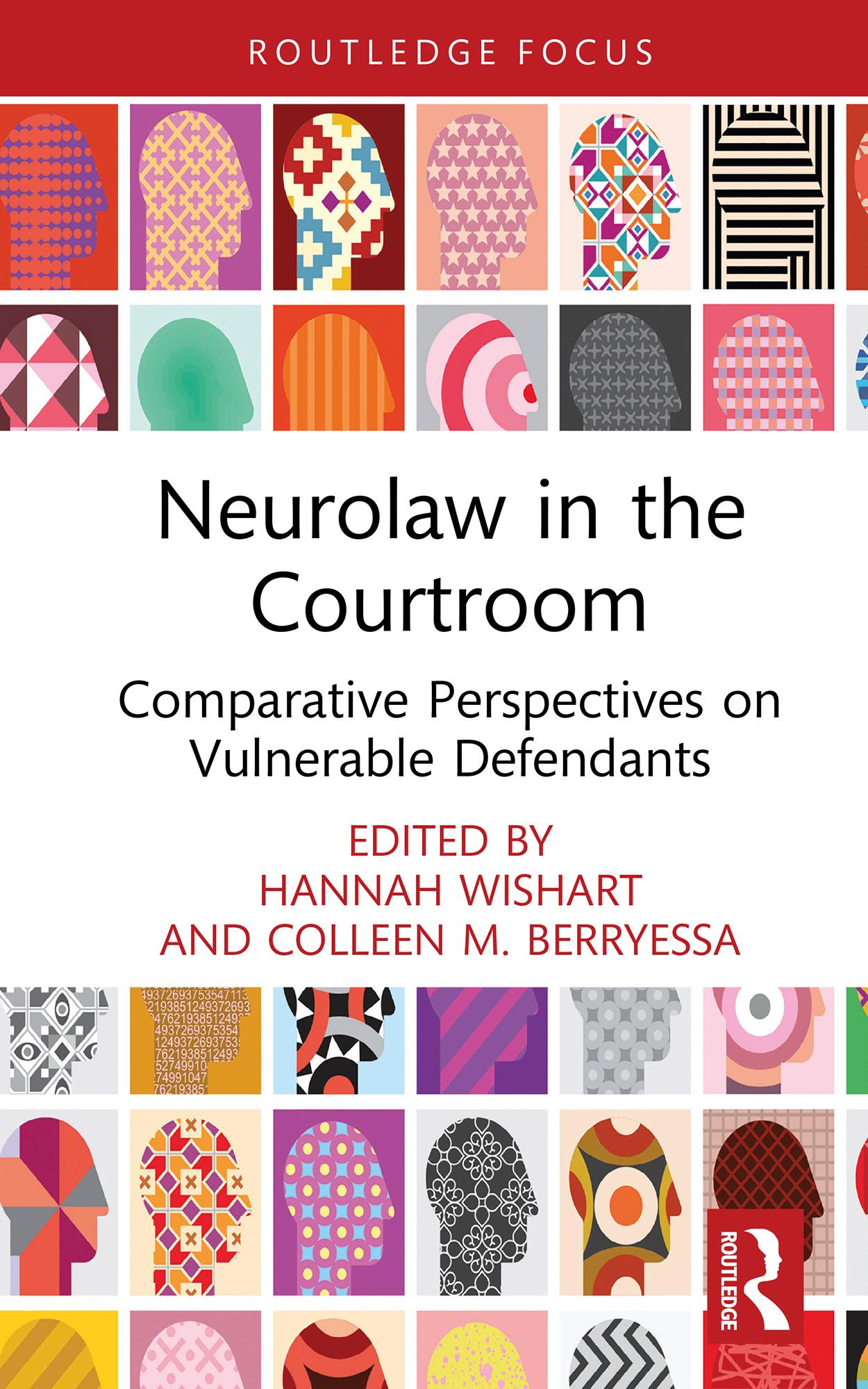
This collection presents a comparative perspective on interdisciplinary issues that fall under the emerging field of Neurolaw. The chapters embrace distinct procedural and evidential issues in the courtroom for vulnerable defendants, such as immature defendants, mentally disordered offenders and unfit-to-plead defendants, through a neuroscientific lens. This view is informed by worldwide analyses from legal academics, philosophers, and legal practitioners. The work brings together interdisciplinary and leading perspectives to discuss the use and relevancy of neuroscience at trial, and how the use of neuroscience is currently benefiting and impacting vulnerable defendants in global criminal trials. As such, the book builds upon and adds to the existing literature in this field by providing a comprehensive coverage of the intersection between these disciplines for vulnerable defendants in the courtroom. Key issues covered include: vulnerable defendants and the pre-trial process; the trial process; the use of neuroscience as expert evidence at trial; and vulnerable defendants, neuroscience and mitigation of sentence. Through original exploration presented by contributors from both academia and practice, the book will be of interest to academics, researchers and policy-makers working in the areas of Criminal Law and Procedure.
Paga facilmente con carta, Klarna, Apple Pay o Google Pay. Non sei soddisfatto? Hai sempre 14 giorni per il rimborso. Leggi di più nei nostri termini. Per qualsiasi domanda, scrivici a hello@memmo.org.
Memmo rende lo studio più facile, ovunque tu sia nel mondo. Qui trovi i tuoi libri di testo e strumenti di studio intelligenti, tutto in un unico posto: riassunti, quiz, podcast e flashcard. E poi c'è Ted, il tuo compagno di studio che risponde a ogni tua domanda. Oltre 50.000 studenti studiano già qui: è stato creato per aiutarti a imparare più velocemente e a stressarti meno.