
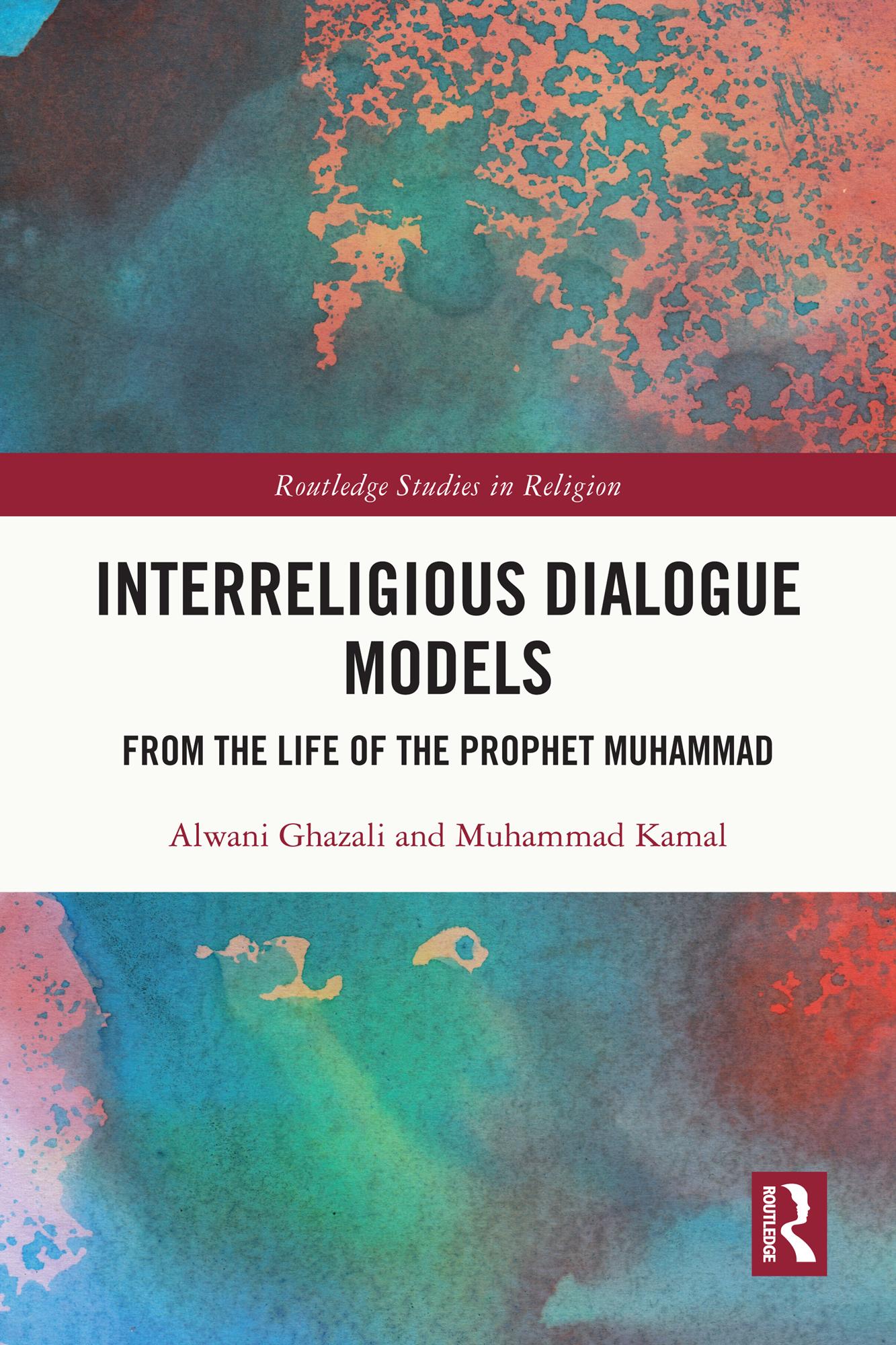
How did the Prophet Muhammad (pbuh) converse and engage with other religious believers? Did he start off with prejudice and mistrust? Or was he convivial and open-minded? This book analyses six models of the dealings in the lifetime of the Prophet Muhammad (pbuh), specifically, but not restricted, to the siblings of Abrahamic religious believers.
The six models of dialogue analysed in the book are dialogue with Ashamah, Najashi of Abyssinia, delegation of Najran Christians, different Jews of Yathrib, and emperors of Byzantine and Sassanid. The analysis applies Ibn Khaldun’s (d. 1406) historical approach which the author termed as Khaldunian Hermeneutics due to the similarity between his ideas to that of Johann Gustav Droysen (d. 1884), a German philosopher, in historical hermeneutics. As such, the analysis goes beyond the dialogue content, taking into consideration the immediate and larger contextual settings, and changes of the contexts due to the passage of time. It critically considers the suitability of each model due to the difference in times and contexts.
The book serves as a reference for Muslim dialogue advocates and practitioners, to provide substantial evidence of the dialogue application by the role model of Muslims – the Prophet Muhammad (pbuh) whom they hold very dear to their hearts.
Paga facilmente con carta, Klarna, Apple Pay o Google Pay. Non sei soddisfatto? Hai sempre 14 giorni per il rimborso. Leggi di più nei nostri termini. Per qualsiasi domanda, scrivici a hello@memmo.org.
Memmo rende lo studio più facile, ovunque tu sia nel mondo. Qui trovi i tuoi libri di testo e strumenti di studio intelligenti, tutto in un unico posto: riassunti, quiz, podcast e flashcard. E poi c'è Ted, il tuo compagno di studio che risponde a ogni tua domanda. Oltre 50.000 studenti studiano già qui: è stato creato per aiutarti a imparare più velocemente e a stressarti meno.