
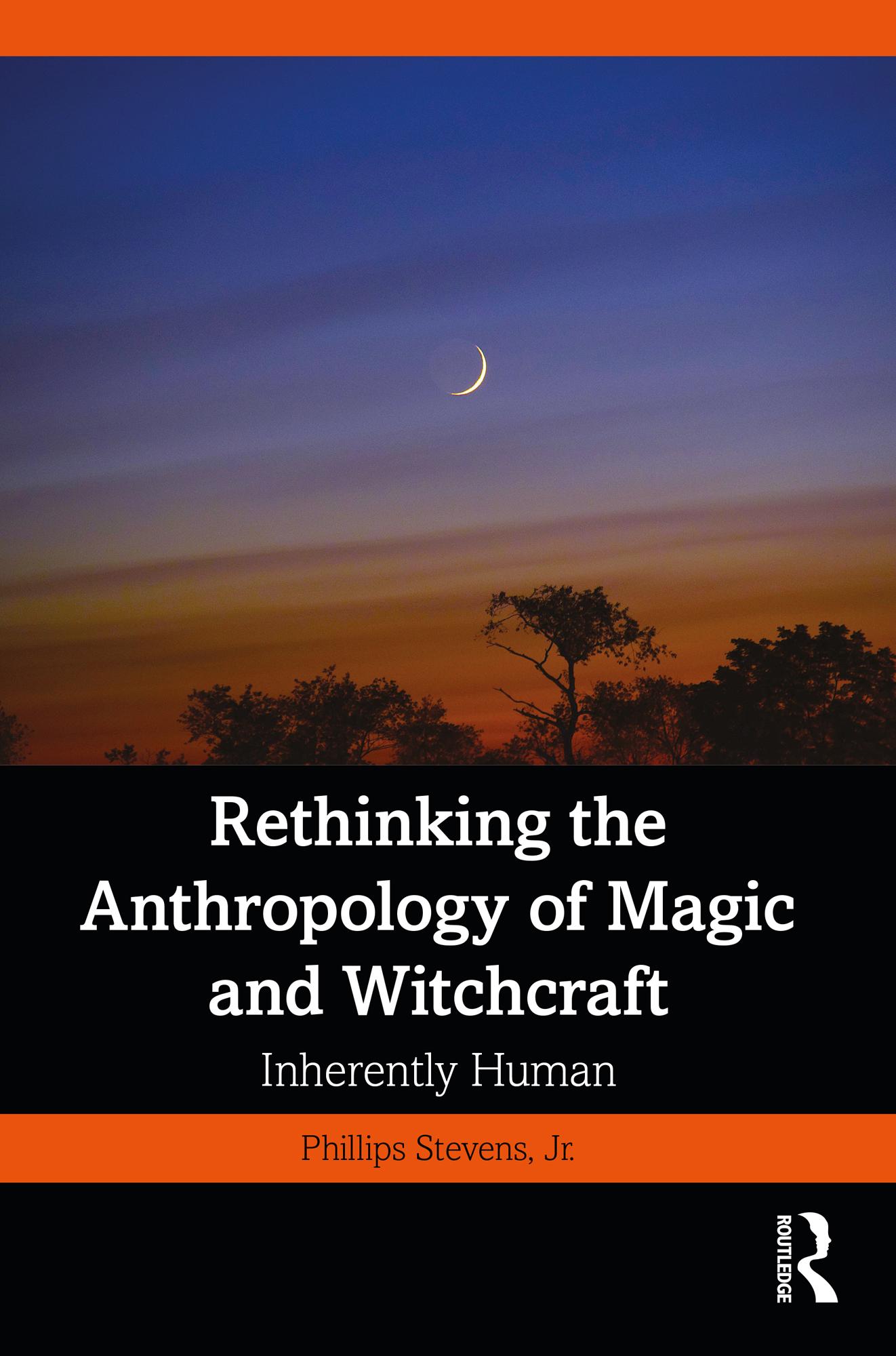
This book introduces students to the anthropology of magic and witchcraft, terms widely used but with no widely accepted definitions. It takes a new approach to this area within the anthropology of religion, demonstrating that the bases for these beliefs and alleged practices are inherent in human cognition and psychology, even instinctual, and likely rooted in our evolutionary biology. It shows how magic and magical thinking are regular elements in people’s daily lives, and that understanding the components of the witchcraft complex offers surprisingly important insights into patterns of thinking and social behavior.
The book reviews the many meanings of “magic” and “witchcraft,” and introduces the best anthropological meanings of the terms. The components of these beliefs are timeless and universal; this fact, and recent advances in the brain sciences, suggest that the principles of magic are derived from basic processes of human thinking, and the attributes of the witch derive from neurobiologically based fears and fantasies. The propensity for such beliefs probably had adaptive significance in the evolutionary development of the human species; they are inherently human.
This book is intended to focus anew on the core concepts of magic, witchcraft, and the supernatural, while also serving as an introduction to the anthropology of religion for undergraduate and graduate-level courses.
Paga facilmente con carta, Klarna, Apple Pay o Google Pay. Non sei soddisfatto? Hai sempre 14 giorni per il rimborso. Leggi di più nei nostri termini. Per qualsiasi domanda, scrivici a hello@memmo.org.
Memmo rende lo studio più facile, ovunque tu sia nel mondo. Qui trovi i tuoi libri di testo e strumenti di studio intelligenti, tutto in un unico posto: riassunti, quiz, podcast e flashcard. E poi c'è Ted, il tuo compagno di studio che risponde a ogni tua domanda. Oltre 50.000 studenti studiano già qui: è stato creato per aiutarti a imparare più velocemente e a stressarti meno.