
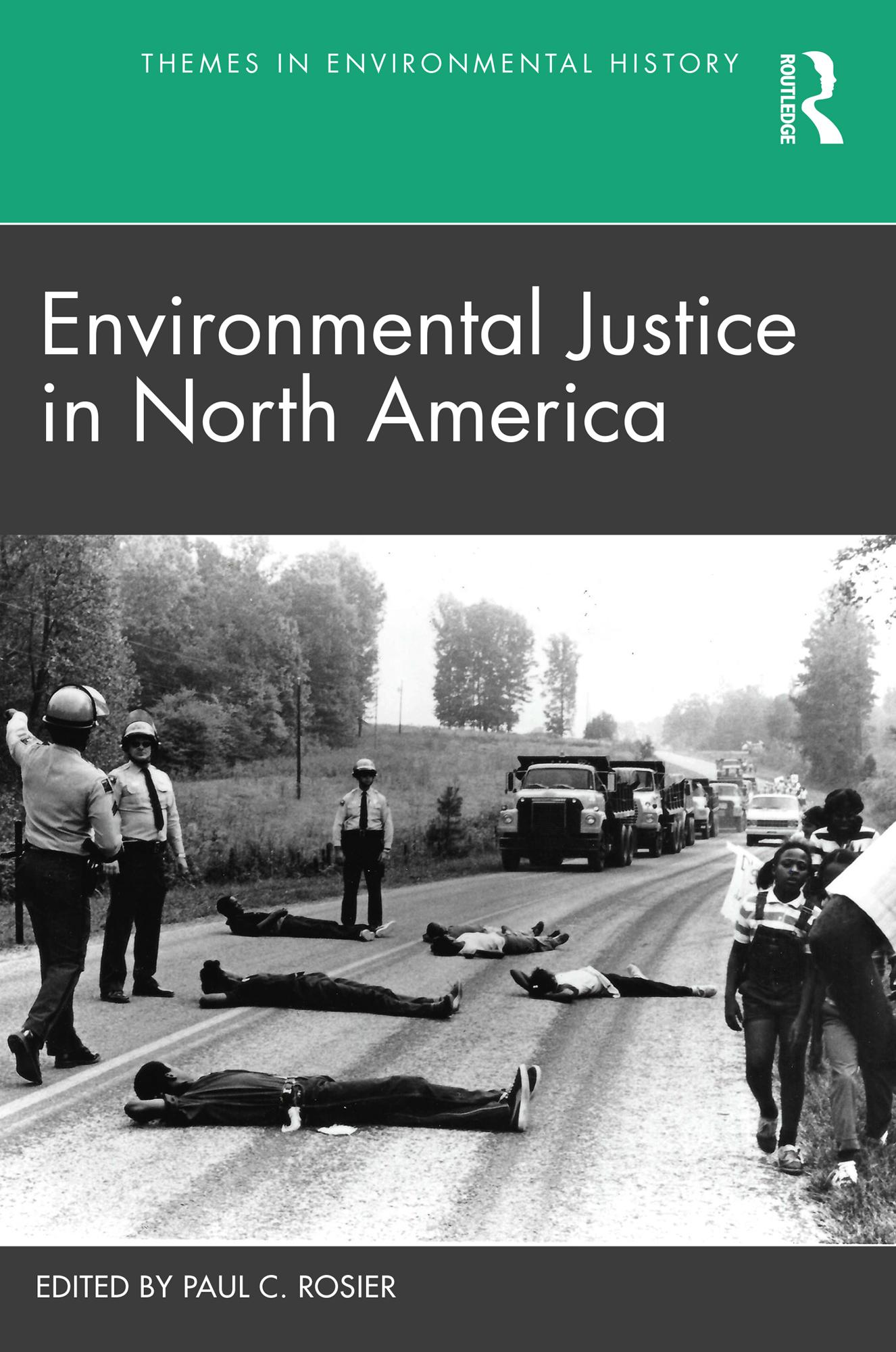
Emphasizing the voices of activists, this book’s diverse contributors examine communities’ common experiences with environmental injustice, how they organize to address it, and the ways in which their campaigns intersect with related movements such as Black Lives Matter and Indigenous sovereignty.
The global COVID-19 pandemic exposed the ways in which BIPOC (Black, Indigenous, People of Color) communities and white working-class communities have suffered disproportionately from the crisis due to sustained exposure to toxic land, air, and water, creating a new urgency for addressing underlying conditions of systemic racism and poverty in North America. In addition to exploring the historical roots of the Environmental Justice movement in the 1980s and 1990s, the volume offers coverage of recent events such as the DAPL pipeline controversy, the Flint water crisis, and the rise of climate justice. The collection incorporates the experiences of rural and urban communities, Alaska Natives, Native Hawaiians, Puerto Ricans, and Indigenous peoples in the U.S., Canada, and Mexico.
The chapters offer instructors, undergraduate and graduate students, and general readers a range of accessible case studies that create opportunities for comparative and intersectional analysis across geographical and ethnic boundaries.
Paga facilmente con carta, Klarna, Apple Pay o Google Pay. Non sei soddisfatto? Hai sempre 14 giorni per il rimborso. Leggi di più nei nostri termini. Per qualsiasi domanda, scrivici a hello@memmo.org.
Memmo rende lo studio più facile, ovunque tu sia nel mondo. Qui trovi i tuoi libri di testo e strumenti di studio intelligenti, tutto in un unico posto: riassunti, quiz, podcast e flashcard. E poi c'è Ted, il tuo compagno di studio che risponde a ogni tua domanda. Oltre 50.000 studenti studiano già qui: è stato creato per aiutarti a imparare più velocemente e a stressarti meno.