
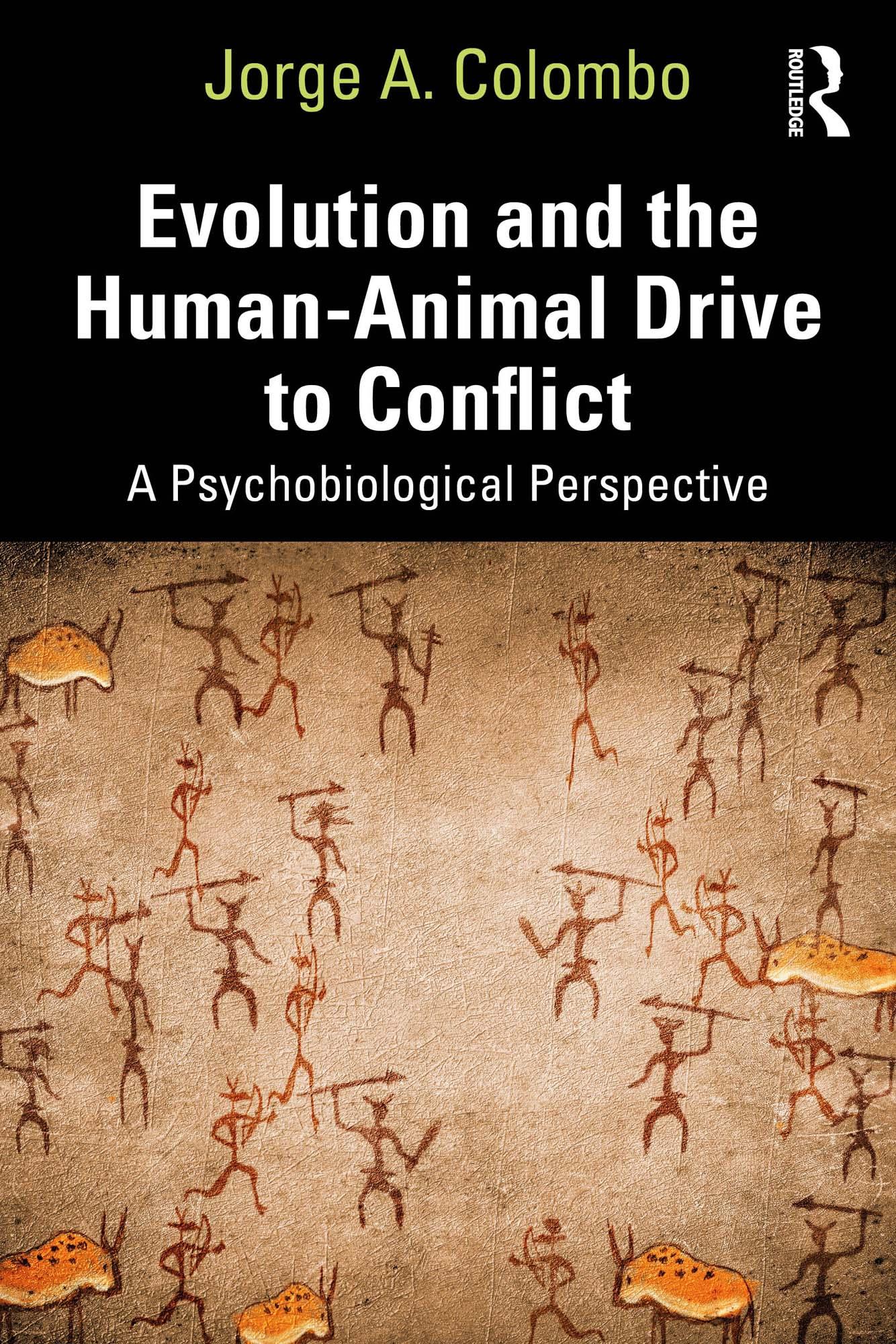
Evolution and the Human-Animal Drive to Conflict examines how fundamental, universal animal drives, such as dominance/prevalence, survival, kinship, and "profit" (greed, advantage, whether of material or social nature), provide the basis for the evolutionary trap that promotes the unstable, conflictive, dominant-prone individual and group human behaviours.
Examining this behavioural tension, this book argues that while these innate features set up behaviours that lean towards aggression influenced by social inequalities, the means implemented to defuse them resort to emotional and intellectual strategies that sponsor fanaticism and often reproduce the very same behaviours they intend to defuse. In addressing these concerns, the book argues that we should enhance our resources to promote solidarity, accept cultural differences, deter expansionist and uncontrolled profit drives, and achieve collective access towards knowledge and progress in living conditions. This entails promoting the redistribution of resources and creative labour access and avoiding policies that generate a fragmented world with collective and individual development disparities that invite and encourage dominance behaviours. This resource redistribution asserts that it is necessary to reformulate the global set of human priorities towards increased access to better living conditions, cognitive enhancement, a more amiable interaction with the ecosystem and non-aggressive cultural differences, promote universal access to knowledge, and enhance creativity and cultural convivence. These behavioural changes entail partial derangement of our ancestral animal drives camouflaged under different cultural profiles until the species succeeds in replacing the dominance of basic animal drives with prosocial, collective ones. Though it entails a formidable task of confronting financial, military, and religious powers and cultural inertias – human history is also a challenging, continuous experience in these domains – for the sake of our own self-identity and self-evaluation, we should reject any suggestion of not continuing embracing slowly constructing collective utopias channelled towards improving individual and collective freedom and creativeness.
This book will interest academics and students in social, cognitive, and evolutionary psychology, the neurosciences, palaeoanthropology, philosophy, and anthropology.
Paga facilmente con carta, Klarna, Apple Pay o Google Pay. Non sei soddisfatto? Hai sempre 14 giorni per il rimborso. Leggi di più nei nostri termini. Per qualsiasi domanda, scrivici a hello@memmo.org.
Memmo rende lo studio più facile, ovunque tu sia nel mondo. Qui trovi i tuoi libri di testo e strumenti di studio intelligenti, tutto in un unico posto: riassunti, quiz, podcast e flashcard. E poi c'è Ted, il tuo compagno di studio che risponde a ogni tua domanda. Oltre 50.000 studenti studiano già qui: è stato creato per aiutarti a imparare più velocemente e a stressarti meno.