
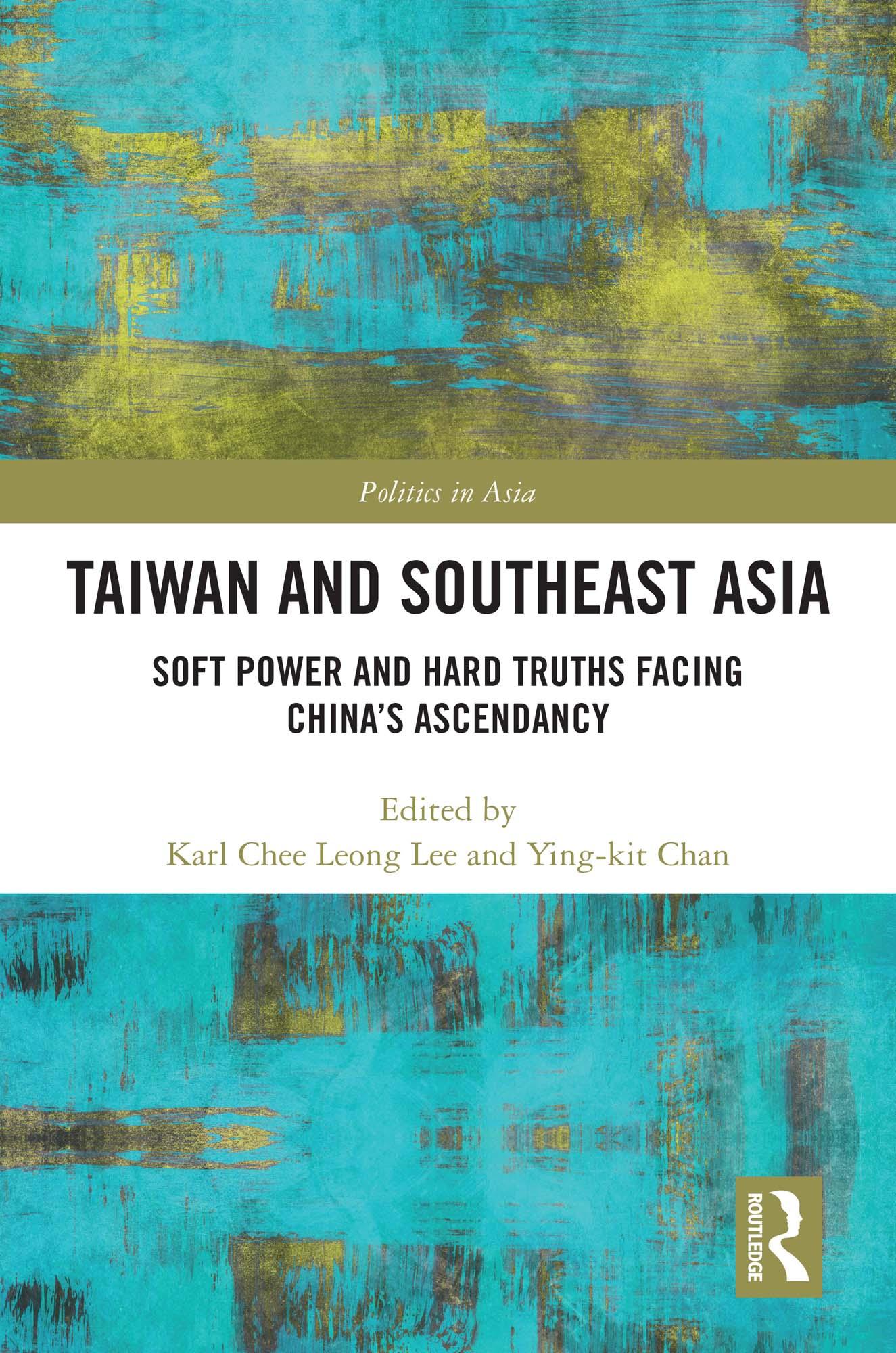
Lee, Chan and their contributors analyse the different kinds of soft power deployed by Taiwan in its bid to strengthen its relations with its neighbours in Southeast Asia.
Despite not having formal diplomatic relations with Southeast Asian countries after their diplomatic recognition of the People’s Republic of China decades ago, Taiwan continues to be a key economic and socio-cultural partner for the region at large. Successive administrations in Taiwan from the Chen to Tsai eras have circumvented the long-standing absence of diplomatic recognition with the diffusion of soft power ─ shaping what others want with attractiveness ─ through the utilization of its existing economic and socio-cultural links with Southeast Asian countries. While such soft power diffusion contributes to Taiwan’s triple quests for legitimacy as a member of international community, status as a constructive actor in the region and long-term economic prosperity for the island-state, the emergence of China as an economic superpower in the 21st century has significantly challenged such quests from Taipei. The contributors to this volume examine both the intentions and the reception of Taiwan’s approach to the nations of ASEAN.
An essential read for students and researchers investigating the impact and limitations of soft power in foreign policy.
Paga facilmente con carta, Klarna, Apple Pay o Google Pay. Non sei soddisfatto? Hai sempre 14 giorni per il rimborso. Leggi di più nei nostri termini. Per qualsiasi domanda, scrivici a hello@memmo.org.
Memmo rende lo studio più facile, ovunque tu sia nel mondo. Qui trovi i tuoi libri di testo e strumenti di studio intelligenti, tutto in un unico posto: riassunti, quiz, podcast e flashcard. E poi c'è Ted, il tuo compagno di studio che risponde a ogni tua domanda. Oltre 50.000 studenti studiano già qui: è stato creato per aiutarti a imparare più velocemente e a stressarti meno.